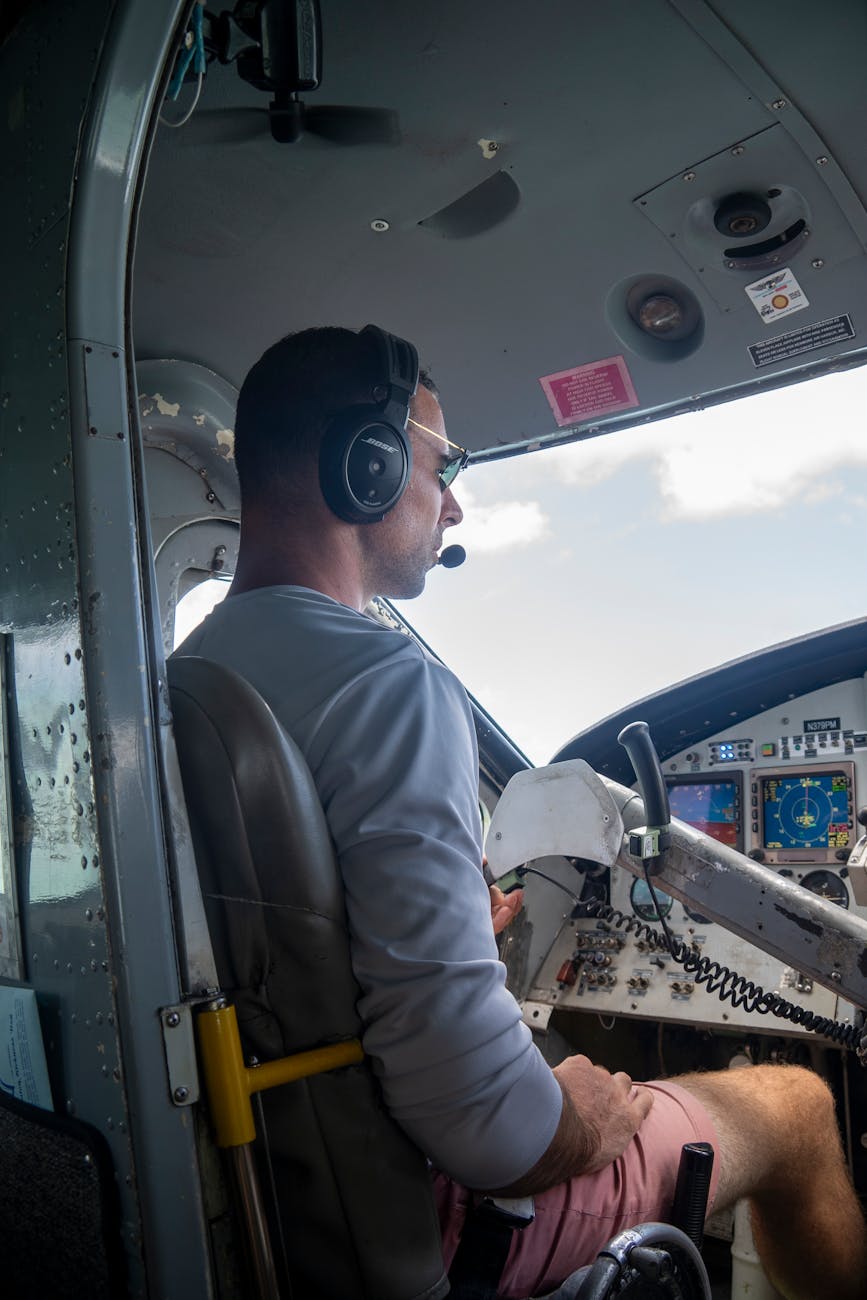
The cost of flight training is one of the most cited barriers to becoming a pilot. And it’s a legitimate concern — earning a Private Pilot Certificate can cost $12,000–18,000, and a full career-track program through commercial and CFI ratings can exceed $60,000–80,000. But here’s what many aspiring pilots don’t realize: the range of what training costs is enormous, and the biggest factors that drive costs up are largely within your control. This guide gives you 12 proven strategies that real pilots have used to cut thousands of dollars from their training without cutting corners on quality or safety.
1. Train Consistently and Frequently
This is the single most powerful cost-reduction strategy in flight training, and it’s completely free to implement. Every gap in training costs proficiency, and every lesson spent re-learning what you forgot is money wasted. Students who train 3–4 times per week consistently reach the Private Pilot checkride in 45–55 hours. Students who train once a week or less average 70–90+ hours. At $180/hour combined aircraft and instructor cost, that 20–35 hour gap represents $3,600–$6,300 in avoidable spending. Consistency is not a luxury — it’s your most powerful financial tool.
2. Complete Ground School and Your Written Exam Early
Students who understand aerodynamics, weather, airspace, and regulations before they begin flying learn faster in the aircraft. Every lesson is more efficient when you understand the theory behind what you’re doing. Pass your written exam within the first 15–20 hours of flight training, not at the end. Online ground school options like Sporty’s Learn to Fly ($199), King Schools ($399), or MzeroA ($299) deliver excellent preparation at a fraction of in-person ground school costs.
3. Use a Simulator Between Lessons
Basic Aviation Training Devices (BATDs) and Approved Aviation Training Devices (AATDs) rent for $40–80/hour at many flight schools — a fraction of aircraft rental cost. Under FAA regulations, up to 2.5 hours of BATD time can count toward the Private Pilot certificate. For the Instrument Rating, up to 10 hours (BATD) or 20 hours (AATD) of simulator time can substitute for aircraft time. For instrument students, aggressive simulator use is one of the most effective cost-reduction strategies available. Even for VFR students, practicing instrument scan, radio communication, and emergency procedures in the sim accelerates in-aircraft learning significantly.
4. Train at a Smaller, Independent Flight School
Large, nationally-branded flight academies offer structured programs and strong airline pipelines — but they come with premium pricing. Smaller independent flight schools often offer significantly lower hourly rates for both aircraft and instruction, while delivering comparable or equal quality instruction. The tradeoff is less structure and less pipeline program access. For pilots whose primary goal is cost-effective PPL or IR training (rather than an accelerated professional program), a well-regarded local school can save $5,000–15,000 on total training costs.
5. Fly a Smaller Aircraft for Early Training
The Cessna 172 is the most common training aircraft — but it rents for $150–$200/hour wet. The Cessna 150/152 is a two-seat trainer that rents for $100–$140/hour at schools that still operate them. The Piper Tomahawk, Grumman AA-1 series, and similar two-seat aircraft offer similar rental savings. For your first 20–30 hours of basic airwork training, a smaller two-seat aircraft is fully adequate. Once you’re ready for cross-country and night flying, you can transition to a larger aircraft. This alone can save $1,500–$3,000 on early training.
6. Flying Clubs vs. Flight School Rental
Flying clubs operate differently from flight schools: members pay a monthly dues fee (typically $50–$200/month) and then rent club aircraft at significantly reduced hourly rates — often $100–$150/hour for a well-maintained Cessna 172, compared to $160–$200/hour at a commercial flight school. If you’re a post-PPL pilot doing proficiency flying, instrument training, or building cross-country hours, joining a flying club can save hundreds of dollars per month. Note: club aircraft may not always be available for structured training, and clubs typically require you to bring your own CFI (billed separately).
7. Apply for Aviation Scholarships — More Exist Than You Think
The aviation scholarship ecosystem is larger than most students realize. AOPA, EAA, Women in Aviation International, the Ninety-Nines, Aircraft Owners and Pilots Association Foundation, and dozens of regional aviation organizations offer scholarships ranging from $500 to $15,000+. According to AOPA, over $2 million in aviation scholarships is awarded annually in the U.S. Key scholarship programs include:
- AOPA Foundation Flight Training Scholarships — Multiple awards for student and certificated pilots at various levels
- EAA Ray Aviation Scholarship — Up to $11,000 for solo milestone students
- Women in Aviation International Scholarships — Over $1 million awarded annually
- Sporty’s Flight Training Scholarship — Annual award for aspiring pilots
- NBAA Business Aviation Scholarships — For students pursuing professional aviation careers
Most scholarships require an application essay, letters of recommendation, and proof of training progress. Apply early and apply to multiple programs simultaneously.
8. Fly During Off-Peak Hours
Some flight schools offer discounted rates for flights during less popular times — weekday mornings, early afternoon slots that don’t compete with the after-work and weekend rush. Additionally, morning flights typically offer smoother air and better visual conditions than afternoon flying (especially in summer months when thermal turbulence builds after midday). Fewer bumps = more efficient training = fewer hours to reach proficiency.
9. Brief and Debrief Thoroughly
Fifteen minutes of focused pre-lesson briefing and 15 minutes of structured debrief after every flight dramatically accelerates learning retention. Students who walk into lessons unprepared spend the first 15–20 minutes of expensive flight time getting oriented. Students who arrive pre-briefed are productive from the moment the engine starts. Ask your instructor to give you a clear brief before every lesson and a structured debrief after. This is free and has a measurable impact on efficiency.
10. Don’t Wait Until You’re “Perfectly Ready” for Your Checkride
Many students over-prepare for checkrides out of anxiety, adding 10–20 hours of flying beyond what was actually needed. The ACS standards are not Olympic-level performance — they are minimum safe competency standards that a well-trained student should be able to meet. If your instructor says you’re ready, trust them. One additional “confidence flight” is reasonable. Twenty additional hours is not.
11. Join AOPA Student Membership
AOPA’s student membership is free for student pilots and provides access to training resources, medical certification support, safety courses, and a network of industry discounts. AOPA’s Medical Certification Services have saved hundreds of pilots thousands of dollars by resolving medical eligibility questions before they start expensive training. This one is a no-brainer: it’s free, and the resources are genuinely valuable.
12. Finance Strategically, Not Expensively
If financing is required, the structure of that financing matters enormously. Flight school in-house payment plans, aviation-specific lenders (AOPA Finance, Stratus Financial), and personal loans from credit unions typically offer better rates than general consumer credit cards. Stratus Financial specifically focuses on flight training loans and offers deferred repayment options for students still in training. Avoid high-interest consumer credit cards for large training expenses — the interest cost can add thousands to your effective training cost over time.
Train Smart at Skyfare Academy
At Skyfare Academy, we believe flight training should be as efficient and affordable as possible without sacrificing quality.