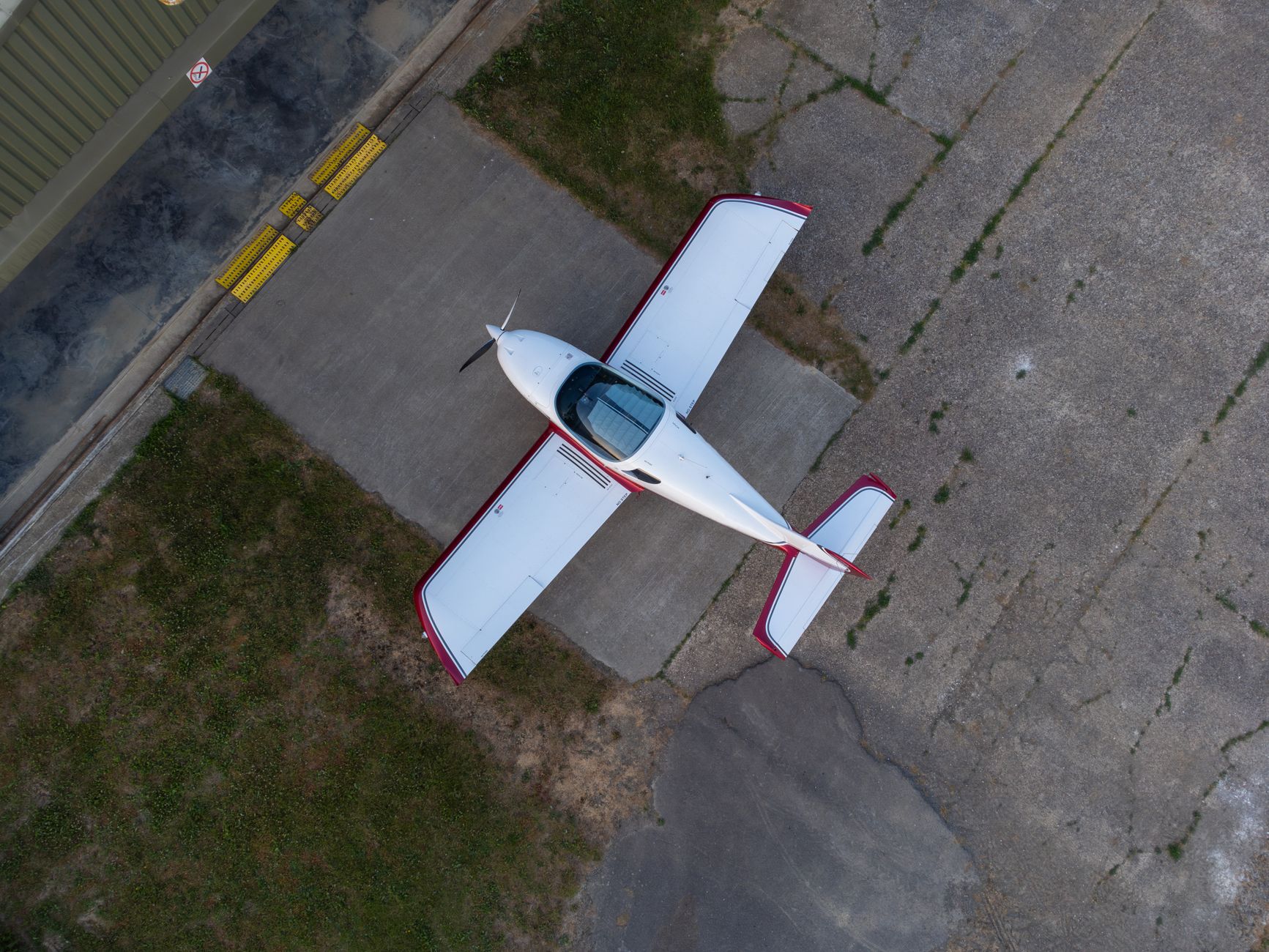
Under 14 CFR 61.56, every certificated pilot who wants to act as pilot-in-command must complete a Biennial Flight Review (BFR) every 24 calendar months. The review consists of at least one hour of ground instruction and one hour of flight with an authorised instructor. But the BFR is far more than a regulatory checkbox — approached correctly, it’s one of the most valuable investments a certificated pilot can make in their own safety and proficiency.
What the FAA’s Updated AC 61-98D Says
The FAA recently updated Advisory Circular AC 61-98D — the guidance document that shapes how flight reviews are conducted. The update places particular emphasis on Loss of Control (LOC) prevention, which has been identified as the leading cause of fatal general aviation accidents for over two decades.
The AC specifically calls out three traffic pattern scenarios that have contributed to LOC accidents: departure stalls, engine failure after takeoff (and the decision whether to attempt a return to field), and the base-to-final turn. CFIs conducting flight reviews are now specifically guided to address these scenarios in a way that builds genuine pilot awareness and skill, not just pass-the-review familiarity.
Ground Preparation: What to Review Before Your BFR
The ground instruction portion of a flight review is your opportunity to update your knowledge of regulations, airspace, procedures and aeronautical decision-making. Most pilots benefit from reviewing the following areas before their BFR appointment:
- Recent regulatory changes — especially MOSAIC, ADS-B requirements, and any recent FAR amendments
- Airspace — current Class B/C/D/E dimensions, TFRs, and special use airspace in your area
- Weather decision-making — go/no-go criteria, METAR and TAF interpretation, SIGMET awareness
- Aeronautical Decision-Making — IMSAFE, PAVE, 5P framework, get-there-itis and continuation bias
- Emergency procedures for the aircraft you’ll be flying
Online courses like Sporty’s Real World Flight Review — which earns FAA WINGS credit — can satisfy the ground training portion of your BFR. Completing such a course before your appointment means your CFI can spend more of the ground time discussing topics specific to your flying rather than reviewing basic material.
Flight Preparation: What CFIs Look For
There is no standardised flight manoeuvre requirement for a BFR — the CFI has discretion to tailor the flight portion to the pilot’s certificate level and flying activity. However, most BFR flights will include takeoffs and landings, airwork (stalls, steep turns), and scenario-based flying designed to evaluate aeronautical decision-making and airmanship.
Pilots who haven’t flown recently should consider logging a few practice flights before their BFR. Arriving having recently flown the aircraft type means the flight review can be a genuine proficiency exercise rather than a currency restoration flight.
WINGS Credit: An Alternative to the Traditional BFR
Many pilots don’t know that completing a phase of the FAA WINGS Pilot Proficiency Program — which involves both online knowledge activities and flight activities with a CFI — satisfies the flight review requirement under 61.56. The WINGS programme is available through FAASafety.gov and includes courses from Sporty’s, AOPA, the FAA and other providers. For pilots who fly regularly and want to structure their proficiency training, WINGS offers a more continuous approach than the every-two-years BFR model.
Find a CFI for Your Flight Review
Skyfarer Academy connects you with flight instructors who conduct flight reviews. Find one near you today.