

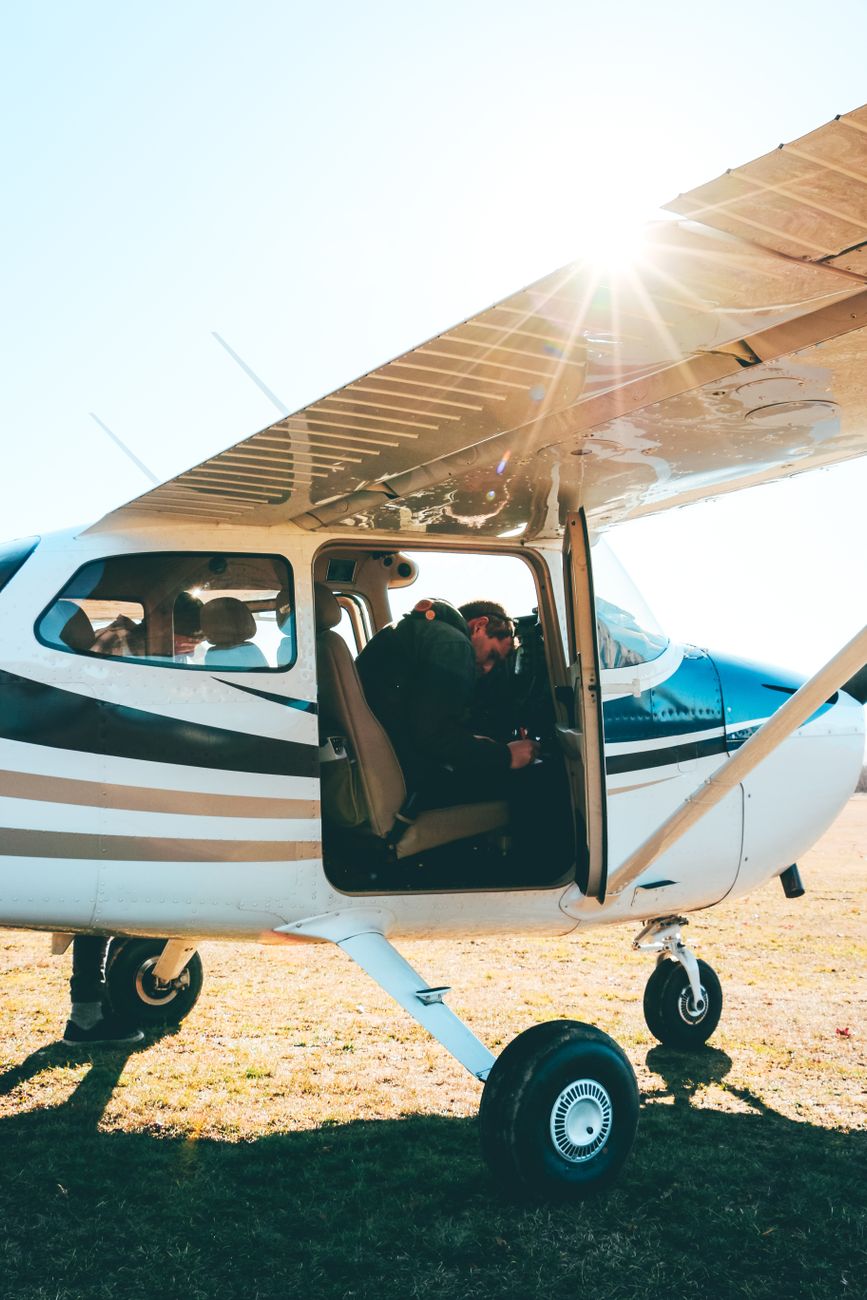
Under 14 CFR 91.107, the pilot in command of every U.S.-registered civil aircraft is legally required to brief passengers on seatbelt use before takeoff. But that regulation is the bare minimum. A thorough passenger briefing covers everything from door operation and emergency egress to sterile cockpit expectations, physiological effects, and what to do if the pilot becomes incapacitated. Doing it right takes three minutes and can make the difference between a great experience and a dangerous one.
Most pilots brief their passengers. Far fewer brief them well. Here’s how to do it properly — and why it matters more than you think.
What Does the FAA Actually Require?
The regulatory minimum is narrow. 14 CFR 91.107(a)(1) requires the pilot in command to ensure that every person on board is briefed on how to fasten and unfasten their seatbelt and, if installed, their shoulder harness before takeoff.
For larger aircraft (those with 10 or more seats, excluding crew), 14 CFR 91.519 expands the requirement significantly. That regulation mandates an oral briefing on smoking restrictions, seatbelts and shoulder harnesses, location and operation of passenger entry doors and emergency exits, location of survival equipment, ditching procedures over water, and use of oxygen equipment.
Most GA flights fall under 91.107 — the shorter regulation. The law technically only requires the seatbelt briefing. But the law sets a floor, not a standard. A pilot who only covers seatbelts is legal. A pilot who covers seatbelts, doors, emergencies, and expectations is prepared.
What Should a Complete GA Passenger Briefing Include?
Flight instructors and safety organizations use the SAFETY acronym as a framework for passenger briefings. Each letter covers one briefing topic:
S — Seatbelts. Demonstrate how to fasten, tighten, and release the seatbelt and shoulder harness. Aviation seatbelts operate differently from car seatbelts — the lift-style buckle confuses many first-time passengers, especially under stress. Show them before you start the engine, not during the taxi. Seatbelts stay fastened for taxi, takeoff, and landing. Recommend they stay fastened at all times.
A — Air vents and comfort. Show passengers how to adjust cabin air vents. Explain that GA cockpits can get warm on the ground and cooler at altitude. If you have passengers who are prone to motion sickness, point out the air vents immediately — fresh air on the face is the single most effective in-flight remedy. Have sickness bags accessible and within reach, not buried in the back seat.
F — Fire extinguisher. Point out the fire extinguisher’s location and briefly explain how to use it. In most trainers it’s mounted between the front seats or on the floor near the pilot’s left leg. Your passenger may need to hand it to you — or use it — if something goes wrong on the ground.
E — Exits and emergency egress. This is the briefing item most pilots rush through and most passengers need most.
Demonstrate how to open the cabin door from the inside. Then demonstrate it again. In many GA aircraft — Cessna 172s, Piper Cherokees, Cirrus SR22s — the door mechanism is not intuitive. A panicked passenger who can’t open the door in a post-landing emergency is trapped.
Cover emergency egress procedures: release seatbelt, open door, exit the aircraft, move away from the aircraft, and don’t go back. If the aircraft has a canopy (like a Diamond DA40), show how to jettison it. If the aircraft has a Cirrus Airframe Parachute System (CAPS), explain what it does and that you — the pilot — will activate it if needed.
T — Traffic and sterile cockpit. Explain that there will be periods during the flight — especially during taxi, takeoff, landing, and any phase where you’re talking to ATC — when you need silence in the cockpit. Establish a clear signal: “When I hold up my hand, please pause the conversation until I put it down.”
Also explain that passengers are extra eyes. Ask them to help scan for traffic, especially on clear days. Brief them on the clock system: “If you see an airplane, tell me where — ‘airplane at 2 o’clock, same altitude.’ I’ll find it.”
Y — Your questions. Ask if they have any questions before you start the engine. This is also the time to ask about medical conditions (claustrophobia, heart conditions, recent scuba diving), fear of flying, and whether they’ve been in a small airplane before. Knowing your passenger’s comfort level helps you manage the flight.
What Do Most Pilots Forget to Brief?
The SAFETY framework covers the essentials. But experienced pilots add several items that dramatically improve the passenger experience and reduce risk.
What to do if the pilot becomes incapacitated. This is the briefing most pilots skip entirely — and it’s arguably the most important for single-pilot GA operations. If you become unconscious or incapacitated, your passenger needs to know three things: how to use the radio (push the button, say “Mayday” and your location), how to fly the airplane (keep the wings level, don’t touch the throttle), and how to get help (tune 121.5 or press the transponder to 7700 if they can find it).
You don’t need to turn your passenger into a pilot. But a 60-second briefing on “grab the yoke, keep the wings level, push this button and say ‘Mayday'” could save their life. AOPA’s Air Safety Institute has published video resources specifically addressing this scenario.
Turbulence and noise expectations. First-time passengers don’t know what normal feels like. A bump that a pilot barely notices can terrify a passenger. Brief them before takeoff: “We may hit some bumps, especially at lower altitudes. That’s completely normal. The airplane is built for it.” Similarly, warn them that the cockpit is loud — 85 to 100 dB in most piston singles — and that communication will be through headsets or intercom.
Ears and pressure changes. Explain that they may feel pressure in their ears during climbs and descents, and that swallowing, yawning, or chewing gum helps equalize. Passengers with head colds or sinus congestion can experience significant ear pain — ask about this before you fly.
The controls. Show passengers where the flight controls are — and tell them not to put bags, knees, feet, or anything else against the yoke, rudder pedals, or throttle. In tandem-seat or side-by-side aircraft where the passenger sits next to a set of dual controls, this is essential. An inadvertent control input from a passenger’s knee pressing the yoke forward during takeoff is a documented accident cause.
Photography guidelines. If passengers want to take photos, brief them on when it’s appropriate (cruise) and when it’s not (takeoff, landing, radio work). Ask them not to put cameras or phones near the instrument panel or avionics.
Why the Briefing Matters More Than You Think
A well-delivered passenger briefing does two things simultaneously.
First, it makes the flight safer. A passenger who knows how to open the door, release the seatbelt, use the fire extinguisher, and call for help on the radio is an asset in an emergency — not an obstacle.
Second, it sets the tone. A professional, calm, thorough briefing tells your passenger that you take this seriously. It builds confidence before the flight begins. Nervous passengers relax when they see that the pilot has a process, covers contingencies, and invites questions. Pilots who skip the briefing or rush through it miss the opportunity to establish trust.
AOPA’s latest training and safety tip reinforces this point: preparing your passengers isn’t a box to check. It’s one of the most important safety actions a GA pilot takes on every flight.
A Briefing Template You Can Use
Here’s a condensed version you can memorize or print on a kneeboard card:
“Before we go, let me cover a few things. Here’s your seatbelt — it latches like this and releases like this. Keep it fastened at all times. If we need to exit quickly, here’s how the door opens — lift this handle and push out. The fire extinguisher is here. During taxi, takeoff, and landing, I’ll need it quiet in the cockpit so I can focus on flying and talking to the tower. At cruise, we can talk normally through the intercom. We may feel some bumps — that’s normal turbulence. Your ears might pop during climbs and descents — swallowing or yawning helps. Please don’t rest anything against the yoke or pedals. And if at any point something doesn’t feel right, tell me. Any questions?”
That’s 30 seconds. It covers seatbelts, egress, fire, sterile cockpit, turbulence, ears, controls, and open communication. Deliver it calmly and naturally, and your passenger walks away remembering that flying with you felt safe and professional.
Frequently Asked Questions
What is the pilot legally required to brief passengers on before a GA flight? Under 14 CFR 91.107, the pilot in command must brief every passenger on how to fasten and unfasten their seatbelt and shoulder harness before takeoff. For aircraft with 10 or more passenger seats, 14 CFR 91.519 expands the requirement to include emergency exits, survival equipment, ditching procedures, and oxygen equipment.
What does the SAFETY acronym stand for in a passenger briefing? SAFETY stands for Seatbelts, Air vents, Fire extinguisher, Exits and emergency egress, Traffic and sterile cockpit, and Your questions. It’s a widely used framework among flight instructors and GA pilots for conducting a thorough passenger briefing beyond the FAA’s minimum requirements.
Should I brief passengers on what to do if the pilot becomes incapacitated? Yes. In single-pilot GA operations, briefing a passenger on basic radio use (push the button, say “Mayday”), keeping the wings level, and setting the transponder to 7700 could be lifesaving. AOPA’s Air Safety Institute has published video resources on this topic. The briefing takes about 60 seconds.
How do I keep nervous passengers comfortable on a GA flight? Brief them thoroughly before the flight — nervous passengers relax when they see the pilot has a structured process. Warn them about normal turbulence, engine noise, and ear pressure changes before they experience them. Give them a job (scanning for traffic). Keep the flight smooth — avoid steep banks and aggressive maneuvers. And ask questions before you fly: have they been in a small airplane before? Are they prone to motion sickness?
Is a passenger briefing really necessary for every flight? Yes. The seatbelt briefing is legally required under 14 CFR 91.107 for every flight with passengers. Beyond the legal requirement, a thorough briefing covering door operation, emergency egress, fire extinguisher location, and sterile cockpit expectations makes every passenger flight safer — regardless of how experienced the pilot or passenger is.
Sources:
- FAA — 14 CFR 91.107: Use of Safety Belts, Shoulder Harnesses, and Child Restraint Systems
- FAA — 14 CFR 91.519: Passenger Briefing
- FAASTeam — General Aviation Passenger Safety Briefing (FAA Safety)
- Flight Training Central — Ask a CFI: Passenger Briefings (March 2022)
- EASA Together4Safety — Passenger Pressure Management