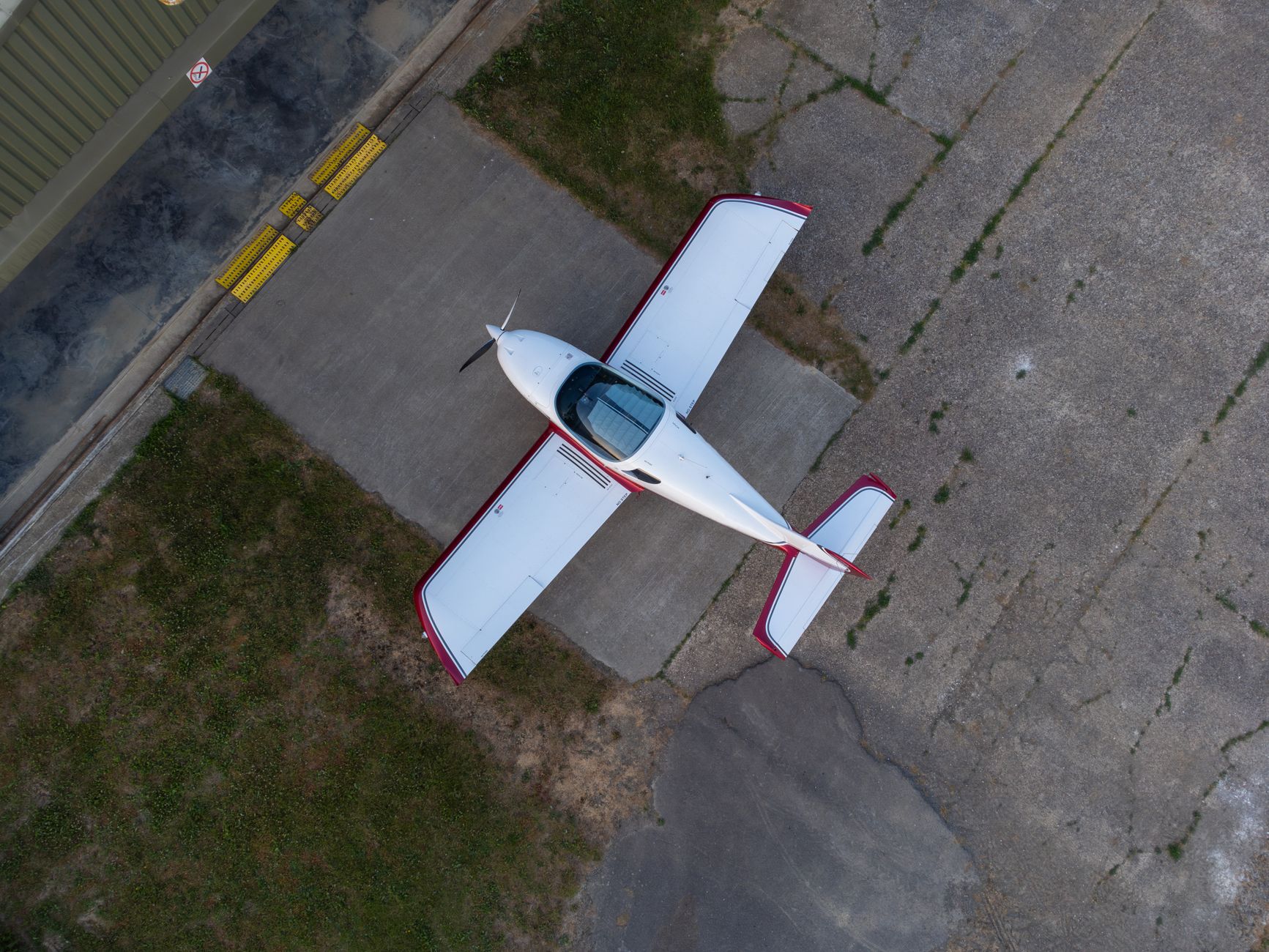
Pilot training in the United States is on the verge of its most significant regulatory transformation since 1997. The FAA has launched a comprehensive modernization of 14 CFR Part 141 — the federal regulations governing certificated pilot schools — while simultaneously preparing to formally evaluate Competency-Based Training and Assessment (CBTA), a global training standard already adopted by roughly three-quarters of the world’s aviation regulators. Together, these two efforts could fundamentally reshape how aspiring pilots learn to fly in the United States.
Why Part 141 Needs Modernization
Part 141 pilot school certification has existed in some form for nearly 100 years — and that’s precisely the problem. While the FAA has periodically made spot revisions, the foundational structure of Part 141 still traces its roots to Civil Air Regulations (CARs) from the mid-20th century. The last major overhaul was in 1997 — years before GPS navigation became standard, before electronic flight bags replaced paper charts, and before advanced flight simulation became an integral part of ab initio training.
Today, the regulation is widely seen as out of step with modern aviation realities. Flight schools, university aviation programs, and industry groups have long argued that Part 141’s rigid, hour-based structure doesn’t adequately reflect how pilots actually learn, and doesn’t take advantage of the technology tools now available to instructors and students.
The FAA’s Modernization Initiative: What’s on the Table
The FAA launched its Part 141 Modernization Initiative through a public engagement process including virtual public meetings held in March 2026 (March 10 and 11) and ongoing collaboration with the National Flight Training Alliance and broader industry stakeholders. The FAA is accepting public comments through Docket No. FAA-2024-2531 and is organizing its reform effort around five key pillars:
- 1. Integrate Competency and Scenario-Based Training: Adopt FAA Industry Training Standards (FITS) practices — including Learner-Centered Instruction (LCI), Scenario-Based Training (SBT), and Competency-Based Training and Assessment (CBTA) — into Part 141 syllabi. Research suggests FITS-based competency training allows students to achieve commercial certification in 120–150 total hours, 21–37% fewer hours than the current 190-hour minimum requirement.
- 2. Leverage Innovation and Technology: Allow expanded use of Flight Simulation Training Devices (FSTDs) and adopt Virtual/Augmented Reality Training (V/ART). This would bring Part 141 into alignment with how modern schools already train — and give credit for simulation hours that students are already logging.
- 3. Incorporate Evidence-Based, Data-Driven Insights: Bring practices from Part 121 (airline) and Part 135 (charter) training into the Part 141 environment, including Safety Management Systems (SMS), Flight Data Monitoring (FDM), Aviation Safety Action Programs (ASAP), Line Oriented Flight Training (LOFT), and Crew Resource Management (CRM).
- 4. Streamline Certification: Simplify and accelerate the Part 141 certification process for flight schools, making it more accessible for smaller operators. The FAA is exploring a multi-level Part 141 certification framework that accounts for varying school sizes and complexity levels.
- 5. Empower Chief Instructors and Quality Management: Give chief instructors more autonomy to manage curriculum and operational decisions, and build Quality Management Systems (QMS) into the certification framework so schools can continuously track and improve training outcomes.
What Is CBTA, and Why Is It Controversial in the U.S.?
Competency-Based Training and Assessment (CBTA) is a training philosophy that evaluates pilots based on demonstrated behavioral competencies rather than the completion of specific maneuvers or accumulation of flight hours. It was first introduced into mainstream aviation when ICAO launched the Multi-Crew Pilot License (MPL) in 2006, and has since been adopted by roughly 75% of aviation regulators worldwide, including the European Union Aviation Safety Agency (EASA), and authorities in China, India, and the UAE.
CBTA assesses pilots across nine core competencies:
- Leadership and Teamwork
- Communication
- Workload Management
- Situational Awareness
- Problem Solving and Decision Making
- Application of Knowledge
- Manual Flightpath Management
- Automated Flight-Path Management
- Application of Procedures
Advocates argue that traditional training — which focuses on specific tasks like steep turns, chandelles, and simulated engine failures under fixed criteria — doesn’t prepare pilots for the rare, complex emergencies that cause accidents. As Boeing’s director of commercial training engineering Mike Miller put it: “If I can demonstrate appropriate workload management with an electrical problem or with a hydraulic problem, I should be able to apply those same skills and behaviors to a problem that maybe we didn’t even think could happen.” Boeing expanded its own CBTA framework following the 737 Max crisis, and Brazil’s GOL became one of the first airlines to fully transition to Boeing’s CBTA recurrent training program.
Research supports the argument: nearly 80% of recent aviation accidents have involved human factors as a primary contributor — exactly the area CBTA is designed to address. Major training organizations including CAE began rolling out CBTA-principles recurrent training programs in January 2026 for EASA-regulated customers.
Where the FAA Stands on CBTA
The FAA’s position on CBTA is one of cautious interest, not full endorsement. In 2023, the FAA’s Research, Engineering, and Development Advisory Committee urged a comprehensive assessment of CBTA frameworks. The agency agreed that further research was necessary before expanding acceptance. In 2026, the FAA confirmed it will formally begin evaluating CBTA, with findings expected later this year.
The hesitation is not unfounded. U.S. pilot unions and some regulators have raised legitimate concerns about inconsistent CBTA grading if instructor standardization isn’t rigorous. The FAA has also questioned whether sufficient comparative studies exist to prove CBTA definitively outperforms conventional methods in U.S. training environments. Notably, elements of competency-based instruction already exist within the FAA’s voluntary Advanced Qualification Program (AQP), which allows airlines to tailor training based on operational data and integrates CRM and threat-based scenarios.
The upcoming FAA review will determine whether the United States moves toward full CBTA alignment with international standards, or continues developing its own hybrid approach.
Potential Impact on Flight Schools and Students
If Part 141 modernization moves forward with CBTA and scenario-based training integration, the practical effects on flight schools and students could be significant:
- Fewer required hours, same (or better) outcomes: FITS-based CBTA programs have demonstrated commercial certification in 120–150 hours — compared to the current Part 141 minimum of 190 hours. This could meaningfully reduce the cost of earning a commercial pilot certificate.
- More simulator credit: Expanded recognition of FSTD hours could reduce expensive airplane time for certain training phases, lowering costs further.
- Obsolete maneuvers phased out: Some stakeholders have proposed replacing maneuvers like lazy eights and chandelles with scenario-based training that better reflects real-world decision-making. This is still being debated.
- Better tracking of student progress: Quality Management Systems built into Part 141 would require schools to track competency data, giving students — and prospective airline employers — richer documentation of skills than a simple logbook total.
- Multi-crew pathway potential: Some proposals include exploring an ab initio airline transport pilot pipeline following ICAO’s Multi-Crew Pilot License (MPL) framework, which could create a faster, more direct route from zero hours to airline first officer.
What Happens Next and When
The Part 141 Modernization Initiative is currently in the public engagement and comment phase. The FAA hosted virtual public meetings in March 2026 and is compiling stakeholder feedback before moving toward Notice of Proposed Rulemaking (NPRM). Formal rulemaking typically takes several years, so widespread regulatory changes are unlikely before 2028–2029 at the earliest. However, guidance documents, voluntary frameworks, and interim changes could arrive much sooner.
The CBTA evaluation report from the FAA is expected later in 2026 and will be a key signal of how much the agency intends to align with global training standards going forward.
Related Reading & Official Sources
- FAA Official: Part 141 Modernization Initiative
- Aviation A2Z: FAA to Reassess Competency-Based Pilot Training Model in 2026
- Flight Global: FAA to Study CBTA as Boeing Pushes for Greater Adoption
- IATA: CBTA Expansion Within the Aviation System (White Paper)
- CAE: CBTA Principles in Business Aviation Training
- Flight Schedule Pro: Part 141 Modernization Initiative Overview
At Skyfare Academy, we are closely monitoring Part 141 modernization and CBTA developments. As these changes roll out, we are committed to being among the first to integrate improved training methodologies that result in safer, better-prepared pilots. Reach out to our team if you’d like to discuss how these regulatory changes may affect your training path.