In a major expansion of aviation education opportunities in Washington state, Museum of Flight has teamed up with the Peninsula School District to bring its acclaimed high school aviation pathway program to the Gig Harbor and Key Peninsula region.
The collaboration, announced in February 2026, will see the Museum’s Aeronautical Science Pathway (ASP) curriculum — already successful for more than a decade — replicated within the school district’s newly launched Aviation Academy. The goal is to give local students hands-on aviation education and career training while still in high school.
Expanding Access to Aviation Careers
The ASP program at the Museum has long been recognized for equipping high school juniors and seniors with both high school and college credits, as well as real-world aviation skills. Students who complete the ASP curriculum typically earn six high school credits and up to 60 college credits at no cost, providing a clear pathway to careers in pilot operations, air traffic control, airport management, airline dispatch, drone operations, and other aviation-related fields.
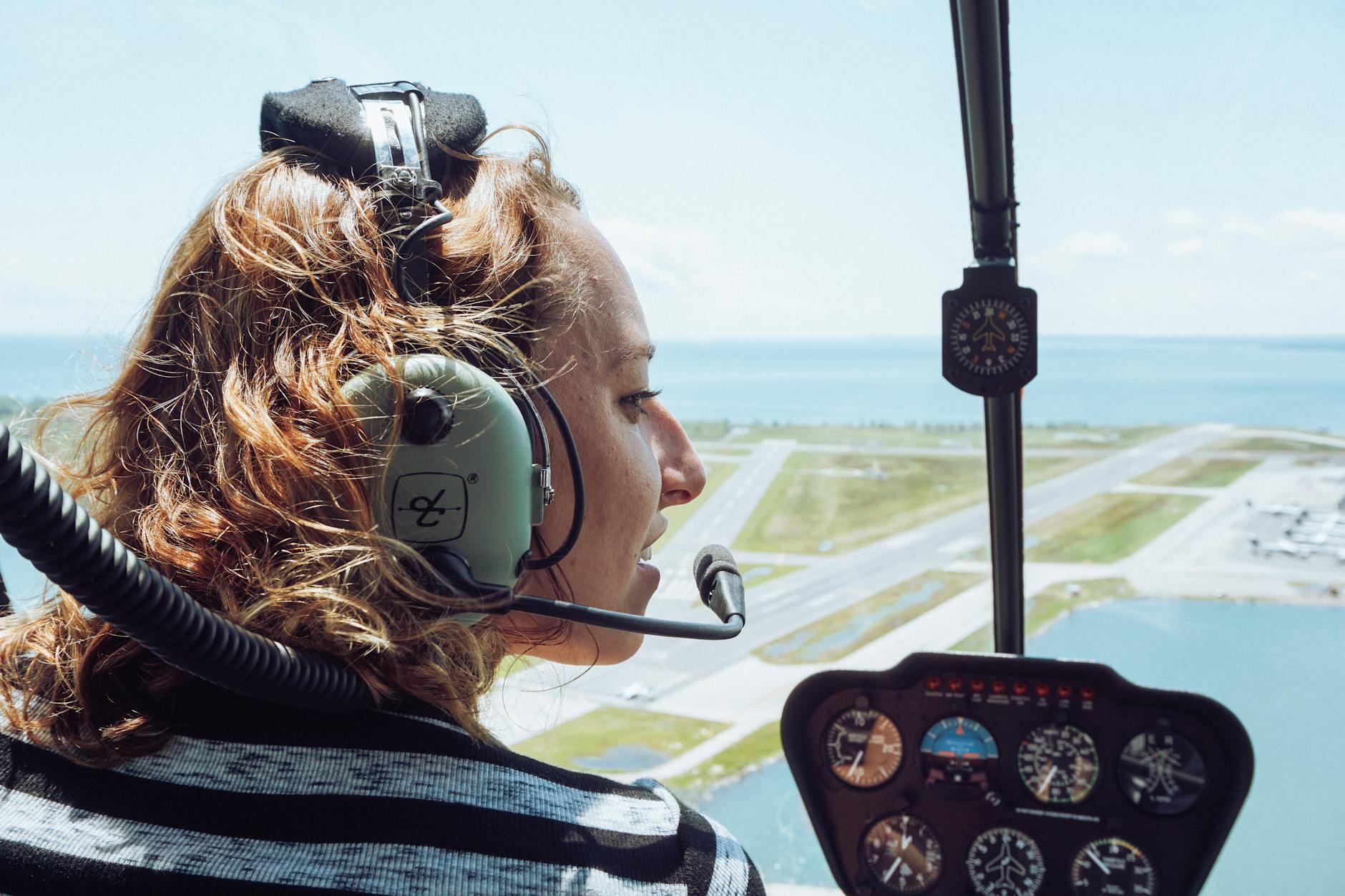
Under the new partnership, Peninsula’s Aviation Academy uses this same curriculum model, integrating classroom instruction with simulator training and hands-on experiences through industry connections. Local aviation professionals — including those at nearby Tacoma Narrows Airport — support the program by mentoring students and providing practical insights into aviation careers.
“This partnership … has grown and established itself as a fantastic model of how the Museum desires to partner with education agencies across Washington state,” said Rob Prosch, Director of Preparatory Programs at the Museum of Flight.
Peninsula School District Superintendent Krestin Bahr echoed that sentiment, noting that the Aviation Academy will help students pursue their passion for flight while building skills essential for careers in one of the nation’s most dynamic industries.
Real Learning, Real Credentials
Students in the Aviation Academy not only gain dual credit opportunities but also benefit from project-based learning, aviation facility tours, industry mentorship, and preparation for FAA certification exams. The curriculum covers key aviation topics such as aircraft systems, aviation weather, aerodynamics, airport operations, and more — all designed to give students a competitive advantage as they enter post-secondary education or the workforce.
The expansion marks a significant milestone in bridging aviation education with public schooling, enabling more young people — especially those outside major urban centers — to access high-quality training in a field historically difficult to enter before college.
As the aviation industry continues to navigate workforce demands, programs like this aim to grow the next generation of aviation professionals by meeting students where they are — in high school classrooms and hangars across the state.