For the second year in a row, incidents of laser strikes against aircraft in the United States declined — but the number of occurrences remains alarmingly high, according to new data from the Federal Aviation Administration (FAA).
In 2025, pilots across the country reported 10,994 laser strike incidents to the FAA, marking a 14 % drop from the previous year’s total yet still nearly 11,000 dangerous encounters between laser beams and aircraft cockpits.
Why Laser Strikes Matter
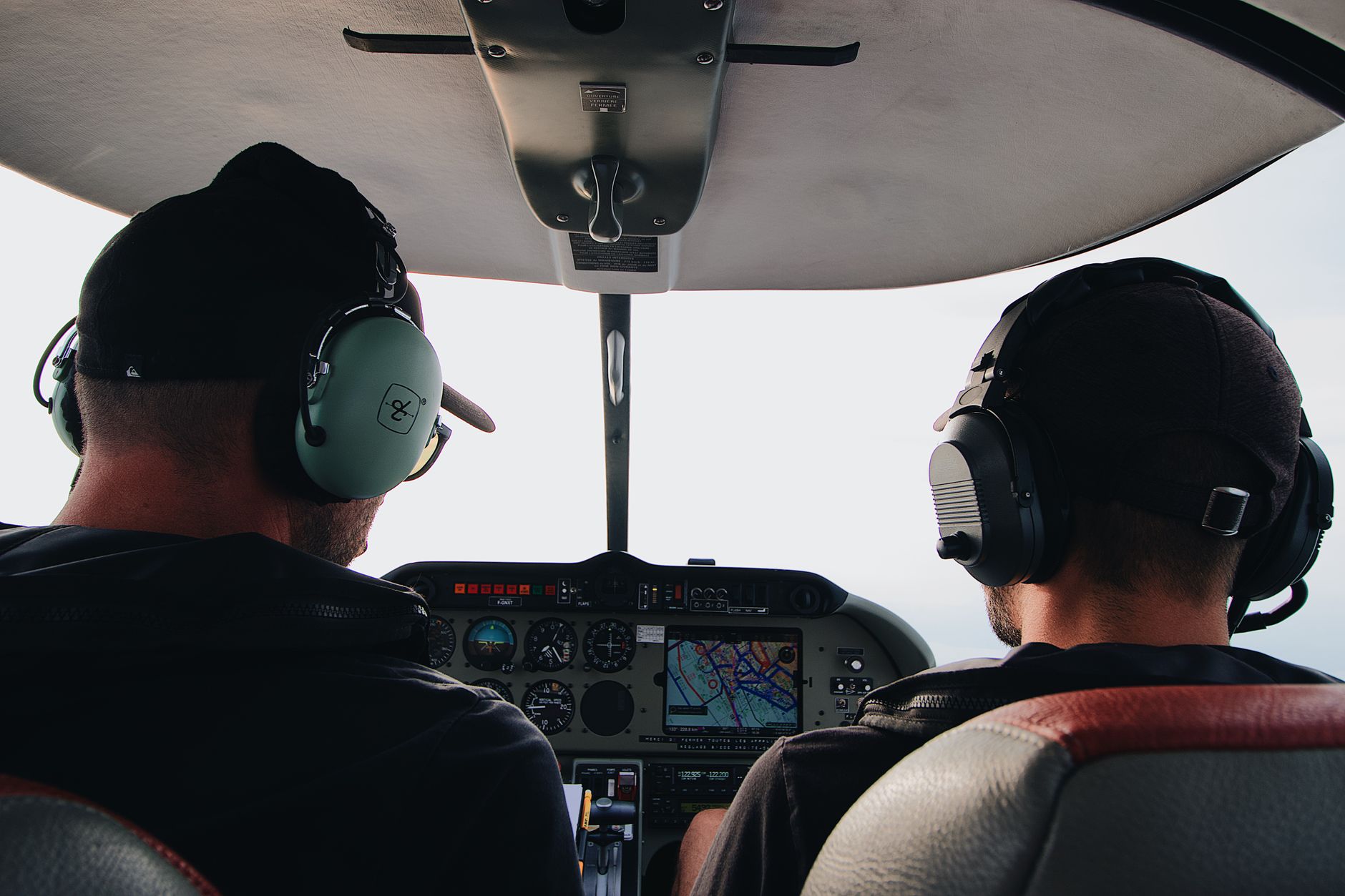
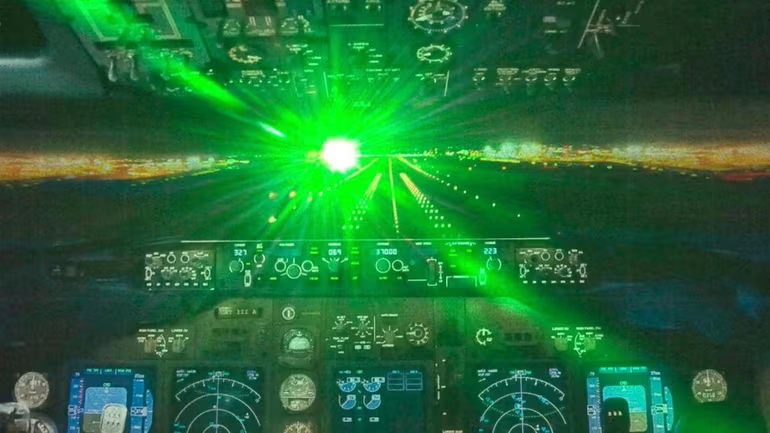
Shining a laser at an aircraft isn’t just a prank — it’s a serious safety hazard. High-intensity laser light can reflect off windshields and temporarily blind, disorient, or distract pilots, especially during critical stages of flight such as takeoff and landing. In several cases since the FAA began tracking laser strikes in 2010, pilots have reported hundreds of injuries linked to these events.
Geographic Trends: Where Strikes Are Most Frequent
The FAA’s data shows that certain states continue to report the highest number of laser incidents:
- California: 1,309
- Texas: 1,100
- Florida: 654
- Illinois: 620
- Arizona: 574
- Washington: 484
- Tennessee: 431
- Indiana: 370
- New York: 369
- Virginia: 353
These figures illustrate that laser strike risk isn’t limited to one region or airport; large populations and busy air traffic corridors tend to coincide with higher reported incidents.
Efforts to Address the Problem
FAA officials attribute the year-over-year decline in part to improved pilot reporting practices, targeted outreach, and coordination with local law enforcement in communities with higher incident counts. These initiatives aim to both raise awareness and identify repeat offenders.
Still, FAA leadership emphasizes that “even one laser strike is too many,” underscoring that the threat to flight crews and passengers remains serious.
Legal Consequences for Violators
Federal law treats laser strikes on aircraft as a crime with steep penalties:
- Civil fines of up to $11,000 per violation
- Criminal penalties that can include up to five years in prison and fines as high as $250,000
- Potential additional state and local charges in jurisdictions that pursue their own enforcement actions.
These sanctions reflect the grave risk posed by laser interference, particularly given the potentially catastrophic consequences if a pilot were rendered incapacitated at an inopportune moment.
Looking Ahead
While the continuing decline in reported incidents offers a measure of progress, aviation authorities and safety advocates stress that vigilance remains crucial. Continued public education, enforcement efforts, and technological tracking tools — including FAA visualization dashboards that detail when and where laser strikes occur — are key components in ongoing efforts to protect pilots, crew, and passengers.