One of the most significant regulatory overhauls in general aviation history is now just months away from full implementation. The FAA’s Modernization of Special Airworthiness Certification — known as MOSAIC — has been rolling out in phases since October 2025, and its most transformative provisions for aircraft manufacturers and light-sport category aircraft take full effect on July 24, 2026. If you’re a student pilot, certificated pilot, or flight school operator, this rule changes more than you might think.
What Is MOSAIC and Why Does It Matter?
MOSAIC stands for Modernization of Special Airworthiness Certification. Signed by the FAA Administrator in July 2025 and unveiled at EAA AirVenture Oshkosh, it is the result of nearly 20 years of collaboration between the FAA and aviation advocacy groups including the Experimental Aircraft Association (EAA), the Aircraft Owners and Pilots Association (AOPA), and the National Association of Flight Instructors (NAFI). The EAA called it “the most monumental and important step recreational aviation has taken in more than 20 years.”
At its core, MOSAIC replaces the 2004 Sport Pilot / Light Sport Aircraft (LSA) rule that had governed this category of aviation for over two decades. The old rule was built around a simple but limiting weight cap — 1,320 pounds maximum takeoff weight for land-based LSAs. MOSAIC throws that cap out and replaces it with performance-based standards, opening the door to a much wider range of aircraft and fundamentally separating Sport Pilot privileges from Light Sport Aircraft certification.
The Two-Phase Implementation Timeline
MOSAIC is rolling out in two phases:
- Phase 1 — October 22, 2025 (Already in Effect): Changes to Sport Pilot privileges. Sport pilots can now fly aircraft with a clean stall speed (VS1) up to 59 KCAS, aircraft with up to four seats (though still limited to one passenger), aircraft with retractable landing gear (with endorsement), and aircraft with controllable-pitch propellers (with endorsement). Night flying with proper training and medical compliance is now allowed.
- Phase 2 — July 24, 2026 (Coming Soon): New Part 22 takes effect, governing Design, Production, and Airworthiness Requirements for light-sport category aircraft. This phase primarily affects aircraft manufacturers and the certification of new aircraft.
Key Changes for Sport Pilots (Already in Effect)
If you hold or are pursuing a Sport Pilot certificate, here is what has changed since October 2025:
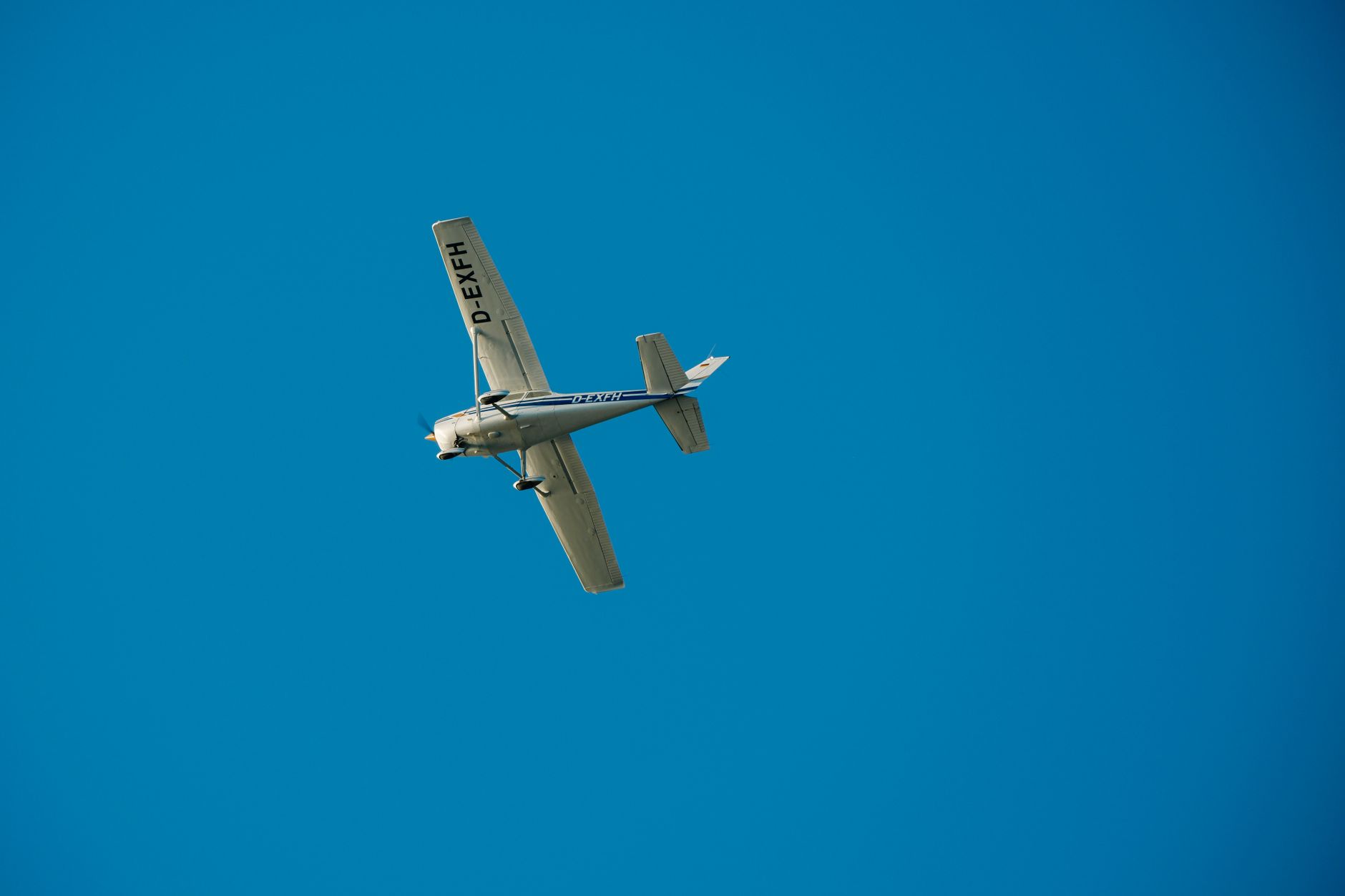
- Weight limit eliminated: The old 1,320-pound cap is gone. Aircraft are now defined by stall speed performance rather than weight, meaning many popular training aircraft that exceeded the old limit — including certain Cessna 172s, Piper Cherokees, Diamond aircraft, and vintage Ercoupes — may now qualify for Sport Pilot operations.
- Stall speed raised: The maximum VS1 (stall speed in clean configuration) for Sport Pilot-eligible aircraft increased from 45 KCAS to 59 KCAS. For light-sport category aircraft themselves, the VS0 (stall speed in landing configuration) is capped at 61 KCAS.
- Four-seat aircraft allowed: Sport pilots can now fly aircraft with up to four seats — though they are still limited to carrying one passenger at a time.
- Retractable gear and controllable-pitch props: Now permitted with the appropriate training and endorsement from a Sport Pilot Instructor (SPFI).
- Night flying: Now permitted for Sport Pilots who obtain the required training, endorsement, and medical compliance (either a standard FAA medical or BasicMed).
- Simulation credit: Up to 2.5 hours of training in a qualified flight simulation training device (FSTD) may count toward Sport Pilot certification.
Key Changes for Aircraft Certification (Effective July 24, 2026)
The July 2026 phase introduces the new 14 CFR Part 22, which governs how light-sport category aircraft are designed, produced, and certified. Key changes include:
- Weight limit removed: New LSAs will be certified based on stall speed performance rather than gross weight, giving manufacturers significantly more design freedom.
- Up to four seats: New light-sport category aircraft can be certified with up to four seats.
- Max speed capped at 250 KCAS: The maximum level-flight speed (VH) for light-sport category aircraft will be capped at 250 knots calibrated airspeed.
- Electric and turbine powerplants: MOSAIC explicitly allows electric propulsion and other advanced powerplant types for light-sport category certification — a major milestone for eVTOL and electric aviation development.
- Retractable gear and constant-speed props allowed: These design features can now be included in certified light-sport category aircraft.
- Simplified flight controls designation: A new certification concept for aircraft with simplified control systems. Pilots flying these aircraft will need model-specific training and an endorsement under 14 CFR §22.180.
- Limited commercial use: Certain LSAs can now be used for aerial work operations (per §91.327) if authorized in the manufacturer’s documentation — opening new revenue possibilities for operators.
Driver’s License Medical: Still Valid Under MOSAIC
One of the most appealing aspects of the Sport Pilot certificate — flying with a valid U.S. driver’s license in lieu of an FAA medical certificate — remains intact under MOSAIC for daytime VFR operations. Night flying, as noted above, requires BasicMed or a standard FAA medical. The FAA’s position is that this expanded access — without a mandatory flight physical for most operations — is appropriate given the performance limitations that still govern Sport Pilot-eligible aircraft.
What MOSAIC Means for Flight Schools
Flight schools are paying close attention to MOSAIC for good reason. The rule significantly expands the pool of aircraft that can be used for Sport Pilot training — meaning schools that don’t own traditional LSAs may still be able to conduct Sport Pilot instruction using aircraft already in their fleet (provided those aircraft meet the new stall speed and configuration requirements of 14 CFR §61.316).
There are also concerns about Designated Pilot Examiner (DPE) availability. With MOSAIC expected to drive increased demand for Sport Pilot certificates and new endorsements, the existing DPE network may face strain in keeping up with checkride demand. Flight schools should plan accordingly and encourage students not to delay their checkride scheduling.
Important Caveats: What MOSAIC Does NOT Change
Despite the excitement, there are some important nuances to keep in mind:
- Not all four-seat aircraft automatically qualify for Sport Pilot operations. Each aircraft must individually meet the performance requirements of 14 CFR §61.316.
- Light-sport category aircraft and Sport Pilot-eligible aircraft are now separate categories under MOSAIC. An aircraft can be certified as a light-sport category aircraft without automatically being eligible for Sport Pilot operation.
- Previously certificated LSAs under the 2004 rule do not automatically re-certify under the new MOSAIC standards.
- Sport pilots must still obtain endorsements for retractable gear, controllable-pitch propellers, and night operations before exercising those privileges.