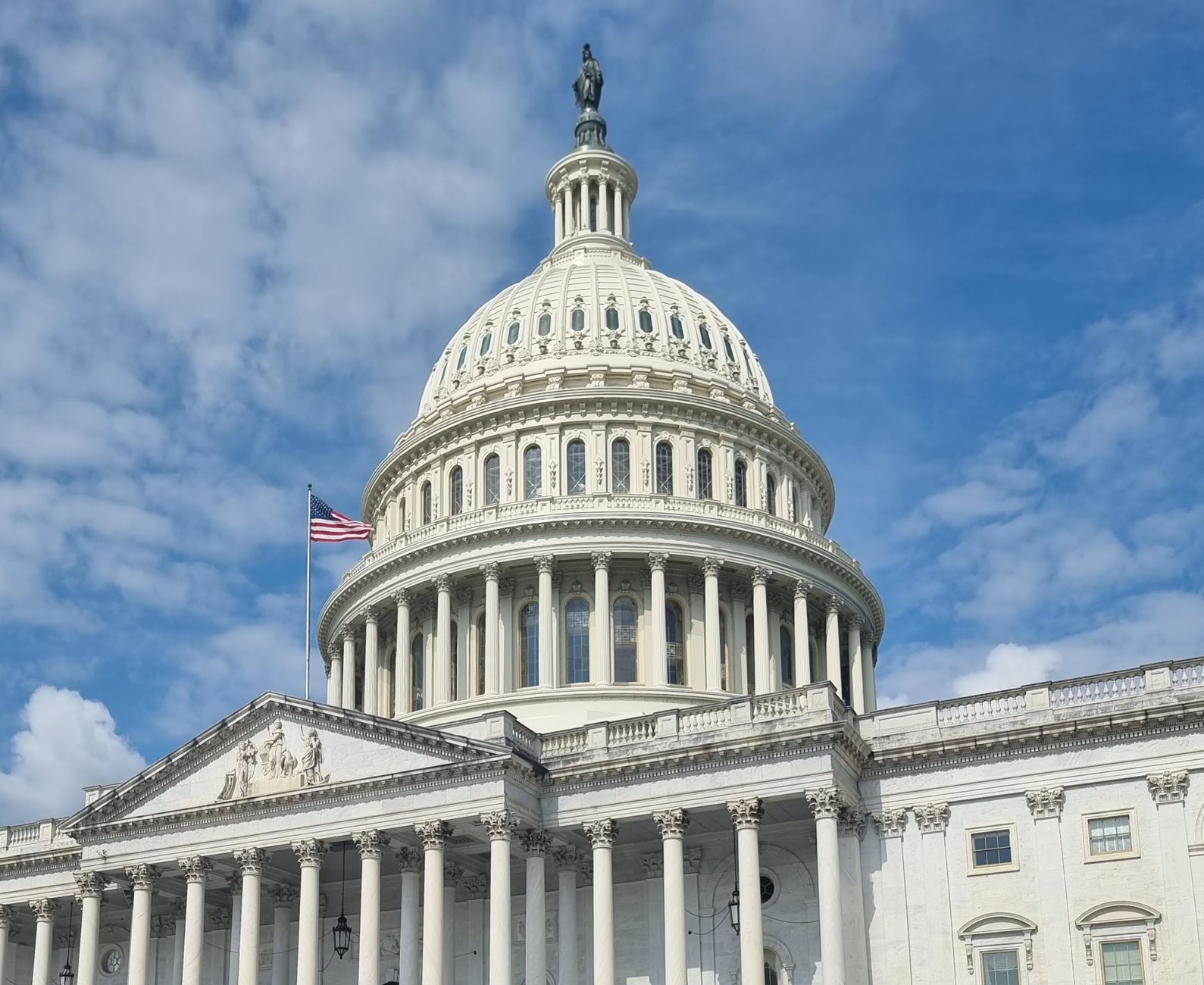
A coalition of 13 major aviation industry organizations sent a joint letter to House leadership on June 22, 2026, formally opposing H.R. 5634 — the Veterans Flight Training Responsibility Act of 2026 — over provisions that would impose a $119,684 lifetime cap on Post-9/11 GI Bill payments for civilian flight training. The signatories include the Aircraft Owners and Pilots Association (AOPA), Airlines for America (A4A), Experimental Aircraft Association (EAA), National Business Aviation Association (NBAA), Regional Airline Association (RAA), and Vertical Aviation International (VAI), among others. The coalition argues the proposed cap is insufficient to cover the actual cost of civilian flight training and would worsen what they describe as an already strained pilot pipeline at a time the industry can least afford it.
This isn’t the first time Congress has tried to cap veteran flight training benefits — and it isn’t the first time the industry has unified to push back. Here’s what’s in the bill, what the coalition is asking, and why veterans, flight schools, and the broader aviation community should care.
What H.R. 5634 Would Do
The Veterans Flight Training Responsibility Act of 2026 would impose a maximum aggregate cap of $119,684 on the total Post-9/11 GI Bill funds a veteran can use for flight training over their lifetime. Once a veteran reaches that cap, no additional benefits would be available for flight training programs — regardless of whether the veteran has completed their certification or has remaining GI Bill eligibility.
Currently, Post-9/11 GI Bill flight training has annual limits but no aggregate lifetime cap specifically tied to flight training. For the 2025–2026 academic year, the VA reimburses up to $17,097.67 per academic year for approved vocational flight school programs. A degree-program student at a Part 141 school affiliated with an accredited college or university has separate, generally higher limits.
The proposed cap is positioned as a response to documented abuses by a small number of flight schools that exploited GI Bill loopholes to charge inflated rates to veterans. As AOPA noted in earlier coverage of similar legislation, one flight company’s records showed 12 veterans with training costs that exceeded $500,000 each — a clear abuse of the system. The coalition acknowledges these abuses and supports tightening regulations and improving VA oversight. They argue, however, that a blanket cap punishes every veteran for the misconduct of a few flight schools, while doing nothing to address the underlying loopholes.
The Joint Letter and Who Signed It
The June 22 letter was addressed to House Speaker Mike Johnson, Majority Leader Steve Scalise, Minority Leader Hakeem Jeffries, and Democratic Whip Katherine Clark. Signatories include:
- Aircraft Owners and Pilots Association (AOPA)
- Airlines for America (A4A)
- Experimental Aircraft Association (EAA)
- National Business Aviation Association (NBAA)
- Regional Airline Association (RAA)
- Vertical Aviation International (VAI) — formerly Helicopter Association International
- Several other aviation and public safety associations
This is the same broad industry coalition that opposed previous versions of the cap in 2018, 2019, and 2024 — making H.R. 5634 the latest iteration of a legislative effort that has been blocked or modified multiple times.
The coalition’s letter argues three core points:
The cap is insufficient. Civilian flight training to airline transport pilot (ATP) certification typically costs $80,000 to $120,000 or more depending on training pathway, location, and aircraft type. For a veteran pursuing helicopter EMS, multi-engine commercial, or instrument-rated commercial certifications, costs can run higher. The $119,684 cap may fall short of the actual cost of completion for most veterans, forcing some to either discontinue training or take on significant personal debt.
The cap is discriminatory. No other GI Bill education pathway — law school, medical school, nursing programs, engineering degrees — has a specific statutory cap tied to that career field. Veterans pursuing aviation careers would be uniquely limited based solely on their choice of profession, not on need or merit.
The cap worsens the pilot shortage. The coalition’s letter states that aviation supports “over four percent of the U.S. GDP and providing more than 9.4 million jobs,” and that “the aviation sector is in dire need of qualified pilots, and veterans are among the best candidates to fill this demand.” Limiting access to flight training benefits at a time of acute industry workforce shortage is, in their view, counterproductive.
How Veterans Have Become a Critical Pilot Source
Veterans have always been a meaningful source of civilian aviation talent — and as the industry’s pilot shortage has deepened, their importance has grown.
Several factors make veterans particularly valuable candidates:
Existing aviation experience. Many veterans transitioning to civilian aviation come from military aviation backgrounds. They may hold military pilot ratings that translate to civilian R-ATP minimums (750 hours instead of 1,500) under 14 CFR 61.160.
Discipline and training culture. Military aviation training emphasizes rigorous standards, checklist discipline, and crew resource management — exactly the qualities airlines look for in new hires.
Maturity and life experience. Veterans entering civilian flight training are typically older than traditional flight students, often with leadership experience, family stability, and a track record of completing demanding programs.
Workforce diversity. Veterans represent a deep, geographically distributed pool of candidates outside traditional university aviation programs.
The pilot shortage data underscores why this matters. Boeing’s 2024–2034 forecast projects North America will need more than 130,000 new pilots over the next decade. The FAA’s $26 million Aviation Workforce Development Grants program, opened in May 2026, was created specifically to expand pilot and maintenance technician training capacity. Restricting GI Bill flight training benefits cuts against every other workforce development policy the industry and government are simultaneously pursuing.
The Recurring Pattern: Caps Proposed, Caps Defeated
This is at least the fourth time since 2018 that legislation has been introduced to cap GI Bill flight training benefits — and each time, aviation industry coalitions have organized opposition.
2018: H.R. 4149 (later folded into H.R. 5649) proposed similar caps. AOPA and eight other aviation groups opposed it; the legislation was ultimately blocked in the Senate.
2019: H.R. 1947 passed the House on May 21, 2019. AOPA and 13 industry groups sent a coalition letter opposing it. The bill did not become law.
2024: H.R. 7323 (the Montgomery GI Bill Selected Reserves Tuition Fairness Act) proposed a lifetime cap of $115,749 starting with the 2025–2026 academic year. Industry coalitions opposed it. The legislation did not advance to enactment.
2026: H.R. 5634 raises the cap modestly to $119,684 but retains the core structure of the previous attempts.
The pattern is consistent: a subset of legislators — usually responding to documented abuses by a minority of flight schools — propose caps. Aviation industry coalitions counter that the cap punishes all veterans for the misconduct of a few, and propose better oversight of the existing system instead. So far, the industry’s position has prevailed.
What the Industry Wants Instead
The coalition’s letter doesn’t simply oppose the cap. It proposes an alternative approach: tighten VA oversight, fix the loopholes that allowed exploitation, and prosecute the schools that committed the abuses — rather than impose a blanket limit on every veteran pursuing aviation.
Specific oversight reforms supported by AOPA and other groups include:
Strengthening VA approval criteria for flight training programs to prevent inflated pricing Requiring transparent cost disclosure to veteran students before enrollment Auditing high-cost programs that produce outlier billing patterns Improving coordination between state approving agencies and the VA
These reforms target the actual problem — abusive pricing practices by a small number of schools — without limiting access for the vast majority of veterans pursuing legitimate aviation careers at responsible flight schools.
What This Means for Veterans Currently in Flight Training
For veterans currently using GI Bill benefits for flight training, H.R. 5634’s outcome remains uncertain. The bill has not yet been advanced to the House floor, and the coalition’s letter is asking House leadership not to bring it forward — either as standalone legislation or as part of a larger package.
In the meantime, veterans currently in or considering flight training should:
Continue with current plans. Existing benefits remain available under current law. Any cap, if enacted, would likely have implementation timing tied to a specific academic year.
Document training costs carefully. Veterans approaching the proposed cap should track total training expenditures and plan financially as if the cap could be enacted. The cap may not become law, but contingency planning is prudent.
Engage with congressional representatives. Veterans who would be affected by the cap can contact their House representatives directly to share their concerns. Personal stories from affected veterans have historically been influential in shaping legislation.
Use scholarships and supplementary programs. Programs like the WAI 2027 scholarship cycle (50+ awards totaling $200,000+), AOPA’s flight training scholarships, and the SkillBridge Pilot Pathway loan program at Flex Air can supplement GI Bill benefits and reduce dependence on hitting GI Bill caps.
The Bottom Line
The Veterans Flight Training Responsibility Act of 2026 represents the latest attempt to cap a benefit that has historically helped thousands of veterans transition into civilian aviation careers. The aviation industry’s response — a unified coalition letter from 13 of the largest organizations in the sector — sends a clear signal that the industry views the cap as counterproductive to both veterans and the broader pilot workforce pipeline.
Whether H.R. 5634 advances depends largely on House leadership’s response to the coalition’s June 22 letter and to the broader political calculus around veterans’ benefits, workforce shortages, and federal spending. For now, the bill is opposed by the aviation industry, supported by some legislators citing the historical abuse of GI Bill funds by a minority of flight schools, and the outcome remains undetermined.
What is clear is that the aviation industry — at every level from AOPA to NBAA to RAA to VAI — is unified in its position. Veterans serve as one of the most promising pipelines for the next generation of civilian pilots. Restricting their access to training benefits at a moment of acute pilot shortage strikes the industry as exactly the wrong policy at exactly the wrong time.
Frequently Asked Questions
What is H.R. 5634, the Veterans Flight Training Responsibility Act of 2026? H.R. 5634 is proposed legislation that would impose a lifetime cap of $119,684 on Post-9/11 GI Bill payments for civilian flight training. As of June 2026, the bill has not been advanced to the House floor. A coalition of 13 aviation industry organizations sent a joint letter on June 22, 2026, urging House leadership to reject the bill.
Which aviation organizations oppose the GI Bill flight training cap? The June 22, 2026 coalition letter was signed by major aviation industry groups including the Aircraft Owners and Pilots Association (AOPA), Airlines for America (A4A), Experimental Aircraft Association (EAA), National Business Aviation Association (NBAA), Regional Airline Association (RAA), and Vertical Aviation International (VAI), along with several other aviation and public safety associations — 13 organizations in total.
Why are aviation groups opposed to the cap? The coalition argues the $119,684 cap is insufficient to cover the actual cost of civilian flight training (which typically runs $80,000 to $120,000+ for ATP certification), would uniquely disadvantage veterans pursuing aviation compared to other career paths (no other GI Bill educational track has a similar cap), and would worsen the pilot shortage at a time when veterans are among the strongest candidates to fill industry demand.
What is the current Post-9/11 GI Bill cap for flight training? For the 2025–2026 academic year, the Post-9/11 GI Bill reimburses up to $17,097.67 per academic year for approved vocational flight training programs. Degree programs at colleges and universities have separate, generally higher limits. There is currently no aggregate lifetime cap specifically tied to flight training.
Has Congress tried to cap GI Bill flight training benefits before? Yes, multiple times. Similar caps were proposed in 2018 (H.R. 4149 / H.R. 5649), 2019 (H.R. 1947), and 2024 (H.R. 7323). Each time, aviation industry coalitions opposed the legislation, and none of the previous versions became law. H.R. 5634 is the latest iteration of this recurring legislative effort.
Sources:
- Aero-News Network — Aviation Groups Oppose Cap On Veterans Flight-Training Costs
- VA.gov — Flight Training Education Benefits
- AOPA — Aviation Groups Oppose Cap on Veteran Flight Training
- General Aviation News — GA Groups Oppose Bill That Would Restrict Flight Training Benefits for Veterans (September 24, 2024)
- Aero-News Network — Congress Considers Slashing GI Bill Flight-Training Benefits
- AOPA — House Bill Clips Veterans’ Wings
- Flex Air — Use Your GI Bill for Flight Training