
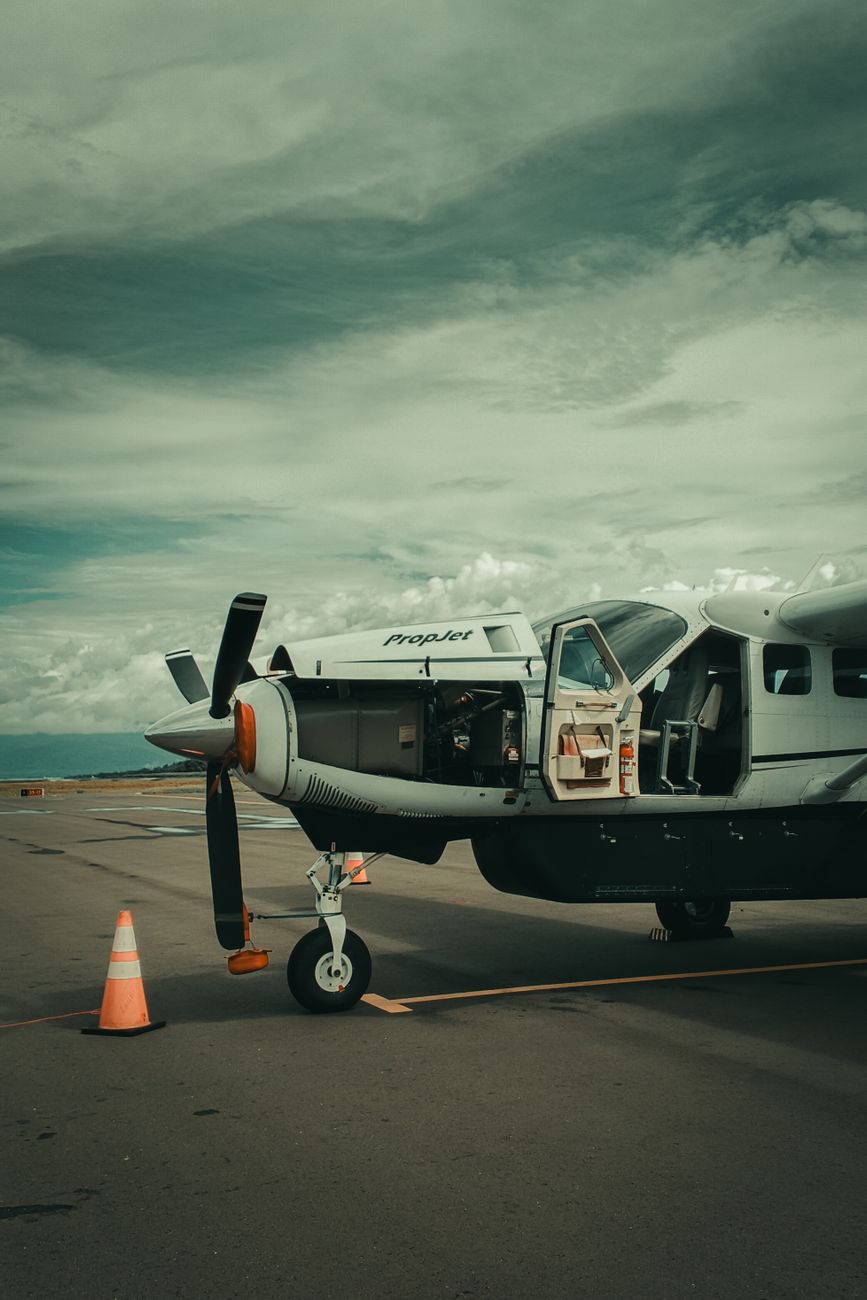
Quick answer: Cargo feeder flying is the most respected entry-level job on this list, and for one reason: it is single-pilot IFR, on a schedule, in real weather, often at night. Published minimums cluster around 1,000 hours, but the meaningful gate is regulatory — carrying cargo as pilot-in-command under IFR in a Part 135 operation generally requires 1,200 hours total, 500 cross-country, 100 night and 75 instrument. Reach that, and you are flying turbine equipment with genuine operational responsibility long before your peers.
It is also the pathway where schedule pressure and weather intersect most sharply, and that deserves an honest section rather than a footnote.
How the Feeder Model Works
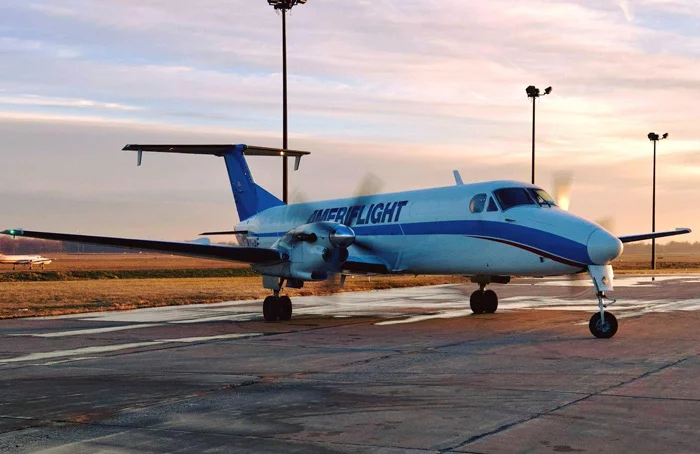
The large integrated parcel carriers do not fly their own small aircraft into every small city. They contract that work to feeder operators — independent Part 135 companies flying light turboprops on fixed routes, in the carrier’s livery or under contract, moving freight between a sorting hub and the spoke cities around it.
The daily shape is consistent: freight arrives at the hub overnight, you take a load out to a spoke city early in the morning, sit through the day, and bring the outbound freight back to the hub in the evening. Some routes are multi-leg; some are a single out-and-back.
Because the aircraft are small and the routes short, these are almost always single-pilot operations. You are the crew.
The Regulatory Gate, and Why Minimums Cluster Where They Do
Published job minimums for feeder work commonly sit between 500 and 1,500 hours, with a median around 1,000. That spread makes more sense once you know the underlying rule.
To act as pilot-in-command under IFR in most Part 135 operations, a pilot must hold at least a commercial certificate with an instrument rating and meet specified experience requirements — commonly 1,200 hours total time, 500 hours cross-country, 100 hours night, and 75 hours instrument time, with limits on how much of the instrument time may come from a simulator.
Two practical implications for anyone targeting this pathway:
- Total time alone will not qualify you. The cross-country, night and instrument sub-minimums catch people out. A 1,300-hour instructor with 40 hours of night and little actual instrument time does not meet the requirement.
- Build deliberately. If cargo is your target, take the night cross-countries, fly actual instrument approaches rather than only simulated, and log carefully. This is one of the few cases where the shape of your hours matters more than the total.
Confirm the current requirements against the regulations before planning around them — they are specific, and operators may add their own requirements on top.
Why the Experience Is Valued So Highly
Ask a regional airline recruiter about a candidate with a couple of seasons of feeder flying, and the response is usually positive. The reasons are concrete.
- Single-pilot IFR is genuinely demanding. You brief, fly, navigate, communicate and manage the aircraft alone, in weather, on a schedule. There is no one to catch your errors.
- You fly in real conditions. Not fair-weather flying. Low ceilings, night, ice, and approaches to minimums are routine rather than exceptional.
- Turbine time, often as PIC. Single-engine turboprops dominate the feeder fleet, and command time in one is difficult to obtain elsewhere at this stage.
- Schedule discipline. On-time performance matters, dispatch matters, and you operate inside a structured system rather than flying when convenient.
- Part 135 operational experience — ops specs, duty limits, dispatch, maintenance procedures — which is a meaningful step toward airline operating culture.
In short, it looks like a smaller version of the job you are trying to get next.
The Aircraft
| Type | Notes |
|---|---|
| Single-engine turboprops | The backbone of feeder flying. Single-pilot, turbine PIC time, high daily utilisation. |
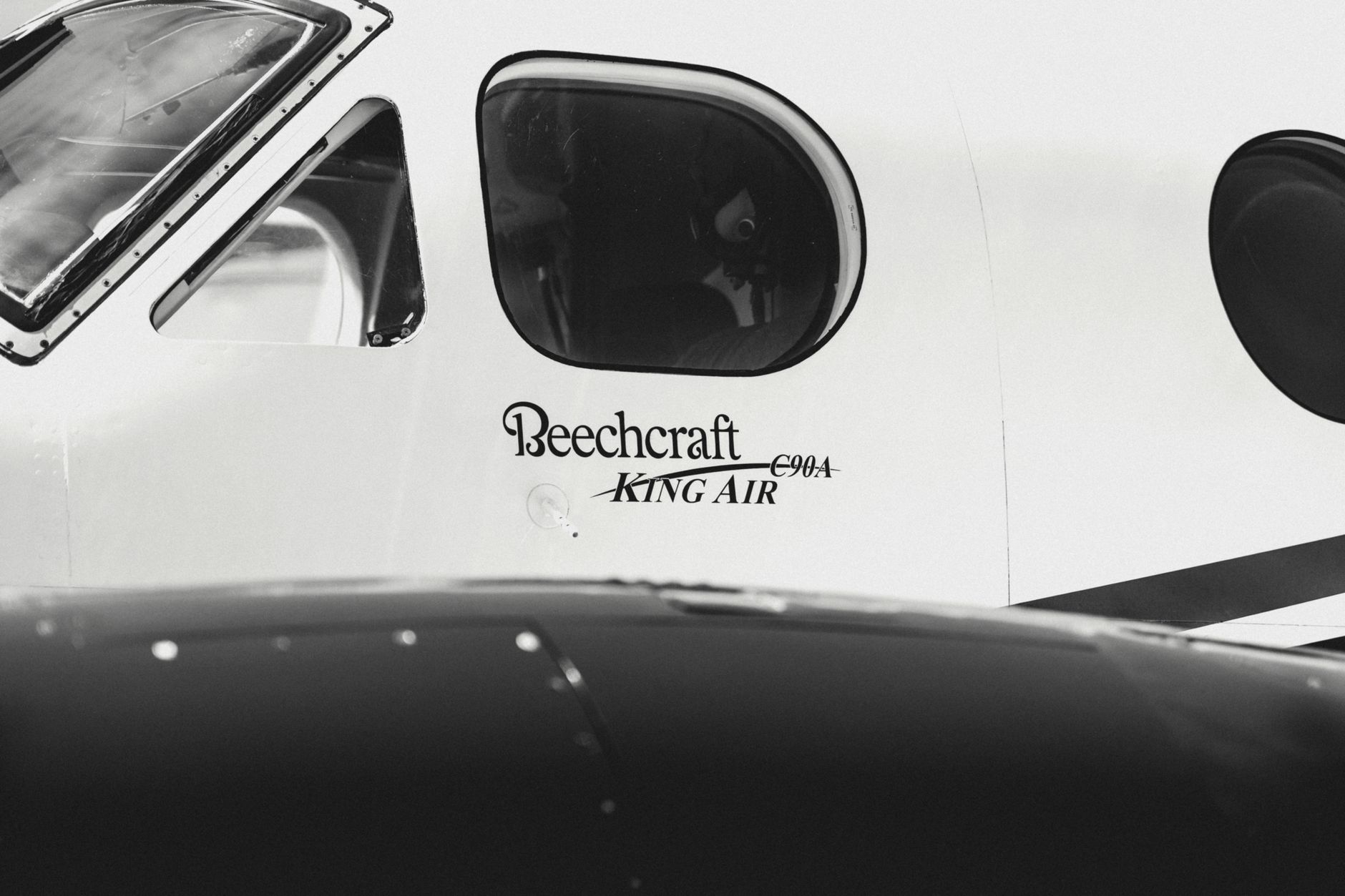
| Light twin turboprops | Larger routes and heavier loads. Multi-engine turbine time, usually needing more experience. |
| Piston twins | Some smaller operators and regional freight work. Lower entry bar, less career value than turbine. |
If you are choosing between offers, the turbine question matters more than the pay difference. Turbine PIC time is the asset you are actually accumulating.
The Schedule Reality
This is the part that decides whether the job suits you, and it is worth being clear-eyed about.
- Very early mornings and late evenings. Freight moves around the parcel network’s overnight sort, which puts your flying at the ends of the day.
- Long duty days with a hole in the middle. Fly out early, sit at an outstation for hours, fly back in the evening. The day is long even though the flying is not.
- Circadian disruption is real. Consistently early starts and late finishes take a toll, and fatigue management is a genuine professional skill here, not a box to tick.
- You may be based away from home. Routes are assigned around hubs, and the spoke city is where you spend your day.
- Weather days still fly. Freight has a delivery commitment, which is precisely the point of the next section.
The Honest Safety Conversation
Cargo operations carry a specific set of pressures, and pretending otherwise would not help anyone considering the job.
Schedule pressure
Freight has a commitment attached to it, and the whole network is built on things arriving. That creates a quiet, persistent pull toward launching when a passenger operation might not. The pressure is rarely explicit — more often it is cultural, and it is strongest on the pilot who does not want to be the reason a route failed.
The countermeasure is the same as everywhere else in aviation, but it matters more here: decide your limits before the moment arrives, in writing, when nobody is waiting on you.
Single-pilot IFR at night
The thing that makes the experience valuable is the same thing that makes it demanding. No second pilot, no monitoring, at the bottom of your circadian cycle, in weather. Currency is not the same as proficiency here — see currency versus proficiency.
Icing
Feeder routes run through winter weather in aircraft that are certified for known icing but still have limits, and icing has featured in cargo accidents. Understanding your specific aircraft’s ice protection, its limitations, and the conditions in which the equipment stops being sufficient is not optional knowledge in this job.
What to ask an operator
These questions are professional and reasonable, and the answers are informative:
- What happens operationally when a pilot cancels or delays for weather?
- How is dispatch handled, and who makes the go decision?
- What is the training footprint, particularly on icing and single-pilot IFR workload?
- How is fatigue managed given the split-duty day?
- How old is the fleet and how is maintenance scheduled around high utilisation?
How to Get Hired
- Build the right hours, not just hours. Cross-country, night and instrument sub-minimums are the real gate. Plan for them deliberately from early on.
- Get actual instrument time. Simulated time is capped in the requirements and matters less in an interview. Fly in real weather with an instructor while you can.
- Be geographically flexible. Routes are hub-based, and willingness to be based where the work is often decides the offer.
- Present yourself as a single-pilot IFR candidate. Talk about workload management, personal minimums and decision-making, not just totals.
- Apply to several operators. The feeder market is made of many independent companies with different fleets, bases and cultures.
- Ask the safety questions above. Good operators expect them.
Is It Worth It?
If your goal is a professional flying career, cargo feeder work is arguably the most valuable rung on the low-time ladder. It gives you turbine command, real instrument experience, and operational discipline in a structured environment — the exact profile the next employer is looking for.
The cost is your calendar and your sleep, and a working environment where the pressure to go is real and mostly unspoken. Pilots who do well in it are the ones who set their limits early, treat fatigue as a genuine flight-safety input, and are comfortable being the person who says the flight is not going.
If you are earlier in the journey, jump flying and instructing are the usual routes to the hours this job requires. For the full comparison, see our overview of hour-building pathways.
Frequently Asked Questions
How many hours do you need to fly cargo feeder routes? Published job minimums commonly sit between 500 and 1,500 hours with a median around 1,000, but the binding requirement is regulatory. Acting as pilot-in-command under IFR in most Part 135 operations generally requires 1,200 hours total, 500 cross-country, 100 night and 75 instrument, with limits on simulator time.
Why do the sub-minimums matter more than total time? Because pilots frequently reach the total requirement without meeting the cross-country, night or instrument components. An instructor with 1,300 hours but little night or actual instrument time will not qualify. If cargo is your target, build those categories deliberately rather than assuming totals will carry you.
What makes cargo flying good experience? Single-pilot IFR on a schedule in real weather, usually in turbine equipment and often as pilot-in-command. It combines operational discipline, actual instrument experience and turbine time in a Part 135 structure, which closely resembles the operating culture of the airlines.
What is the schedule like for feeder pilots? Built around the overnight parcel sort — early morning departures, a long wait at an outstation during the day, and evening returns. Duty days are long even though flying time is not, and the consistent early starts and late finishes make fatigue management a genuine professional skill.
Is cargo flying more dangerous than passenger flying? It carries specific pressures worth understanding: freight has delivery commitments that create a quiet cultural pull toward launching, the flying is often single-pilot at night in weather, and winter routes bring icing exposure. These are manageable with a good operator and firm personal limits, but they should inform which operator you choose.
Does cargo feeder flying lead to the airlines? It is one of the strongest routes. Regional recruiters generally regard single-pilot IFR turbine experience favourably, because it demonstrates exactly the decision-making, instrument proficiency and operational discipline that airline flying requires.
This article is general career information and is not regulatory or flight-safety guidance. Pilot-in-command experience requirements for Part 135 operations are specified in the current regulations and operators may impose additional requirements — verify against the FARs and directly with the employer. Hiring standards, schedules and compensation vary and change.

4 thoughts on “Cargo Feeder Flying: The Most Respected Job on the Low-Time Ladder”