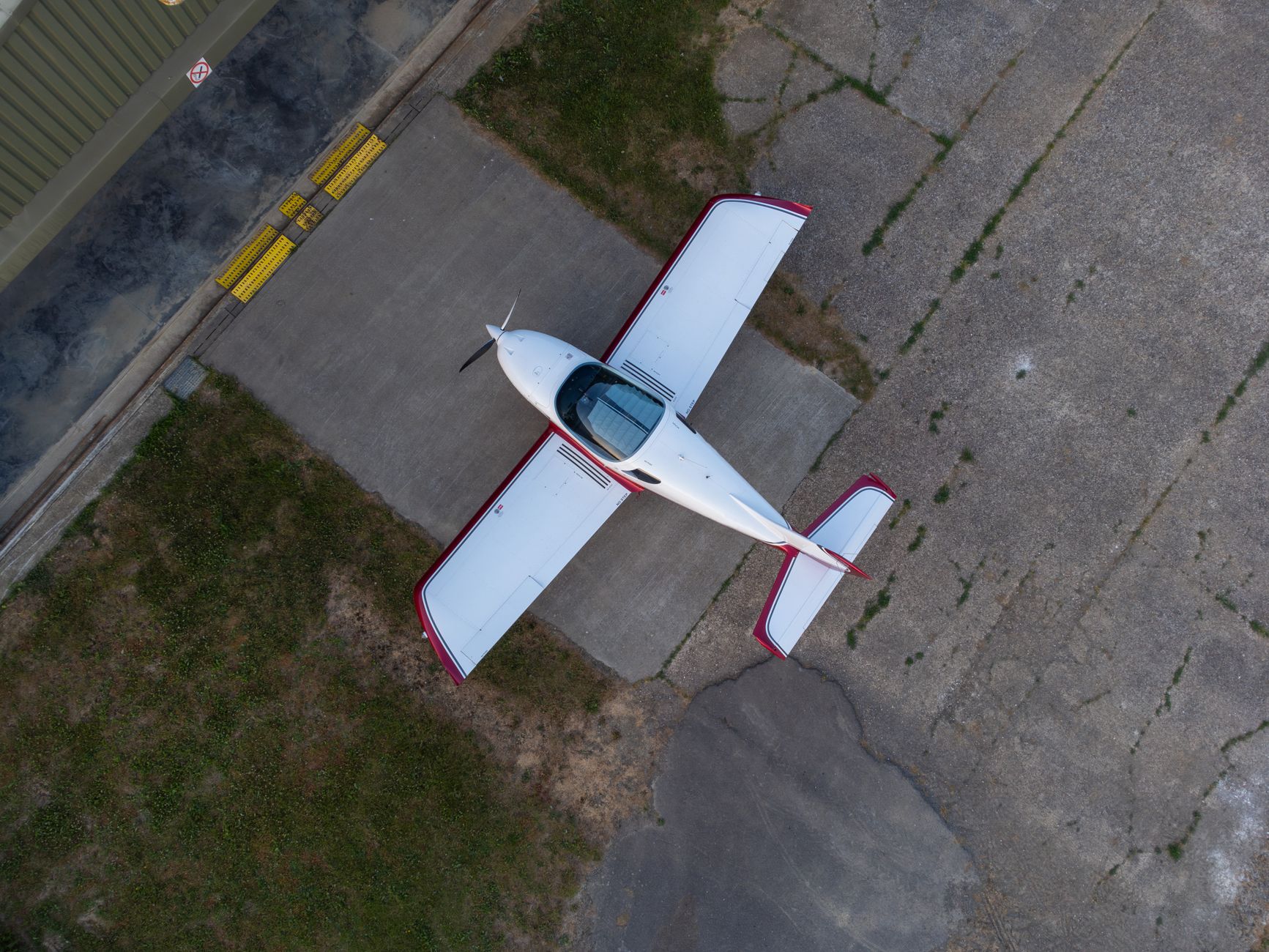
After a slowdown in early 2025 that prompted widespread concern about the state of pilot hiring, the airline industry has bounced back with renewed momentum heading into 2026. Major US carriers are hiring again at near-record rates — and the pipeline from general aviation flight training to the airlines has never been more clearly defined.
The Numbers: What the Major Airlines Are Planning
The scale of planned hiring in 2026 is striking. According to data compiled by AOPA and ATP Flight School, the major carriers have outlined the following targets:
- American Airlines: approximately 1,500 pilots in 2026
- United Airlines: near-record levels approaching 2,500 pilots
- Delta Air Lines: approximately 600 pilots in Q1 2026 alone
- JetBlue Airways: hundreds of pilots through its Gateways programs through 2030
Industry analysts suggest total major airline hiring could reach around 8,000 pilots in 2026, though that figure includes variability across carriers and depends on aircraft delivery schedules and demand trends. The fundamental driver remains unchanged: mandatory retirement at age 65 under FAR Part 121 creates a constant replacement cycle that airlines must sustain regardless of short-term economic conditions.
Why 2025 Felt Like a Slowdown — And Why It Wasn’t
The apparent hiring slowdown in early-to-mid 2025 was largely a perception problem rather than a structural change in demand. The extraordinary hiring volumes of 2022 and 2023 — when major airlines hired over 12,000 pilots in a compressed window to make up for pandemic-era staffing gaps — had set unrealistic expectations. When hiring returned to historically normal levels, it felt like a collapse.
“It’s not a wave,” said Tim Genc of the Future and Active Pilots Alliance. “It goes up and down. It always has. Pilot hiring isn’t a gentle rolling wave; it’s the front of Charlie Brown’s shirt.” By late 2025, hiring had accelerated again. ATP Flight School reported that graduate placements with legacy and major airlines increased 30 percent year-over-year, and one in four new regional airline hires in 2025 was an ATP graduate.
The Full Pipeline: From GA to the Airlines
Understanding airline hiring requires understanding how the entire pilot pipeline works. Major airlines don’t hire directly from flight schools — they hire from regional carriers, who in turn recruit from the pool of instructors and time-building pilots at general aviation flight schools. When the majors ramp up hiring, it creates a cascade effect throughout the system.
“The major airlines are the first car at the stoplight,” noted Genc. “Until they move, no one moves. When they hire, it creates vacancies all the way down.” This means increased major airline hiring in 2026 should translate into better regional airline pay, faster advancement, and more opportunities for CFIs and time-building pilots at the GA level.
The Cost Reality — And How to Navigate It
Despite the positive hiring outlook, the cost of entering the pipeline remains a significant barrier. Earning certificates from private pilot through CFI — without a college degree — typically requires an investment of $75,000 to $100,000. Even in a strong hiring environment, that upfront cost shapes who enters the pipeline and when.
The good news is that financing options, scholarship programmes and military-to-civilian pathways have expanded significantly. AOPA, EAA, and numerous aviation organisations offer scholarships specifically for aspiring airline pilots. Many regional carriers also offer tuition reimbursement and flow-through agreements with their major airline partners.
Start Your Airline Pilot Journey
Find a certified flight instructor near you on Skyfarer Academy. The first step on the road to the airlines is your Private Pilot certificate.