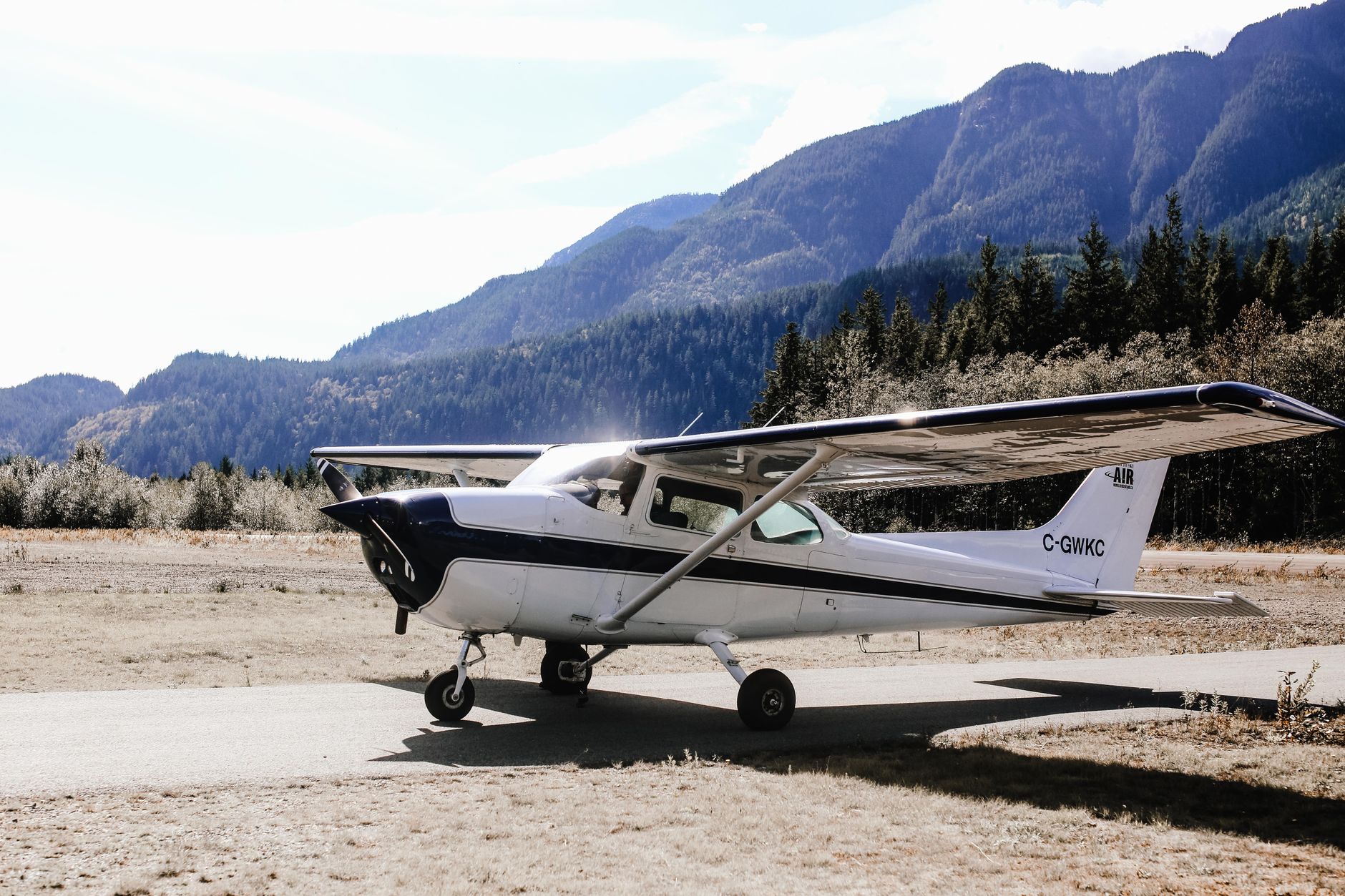
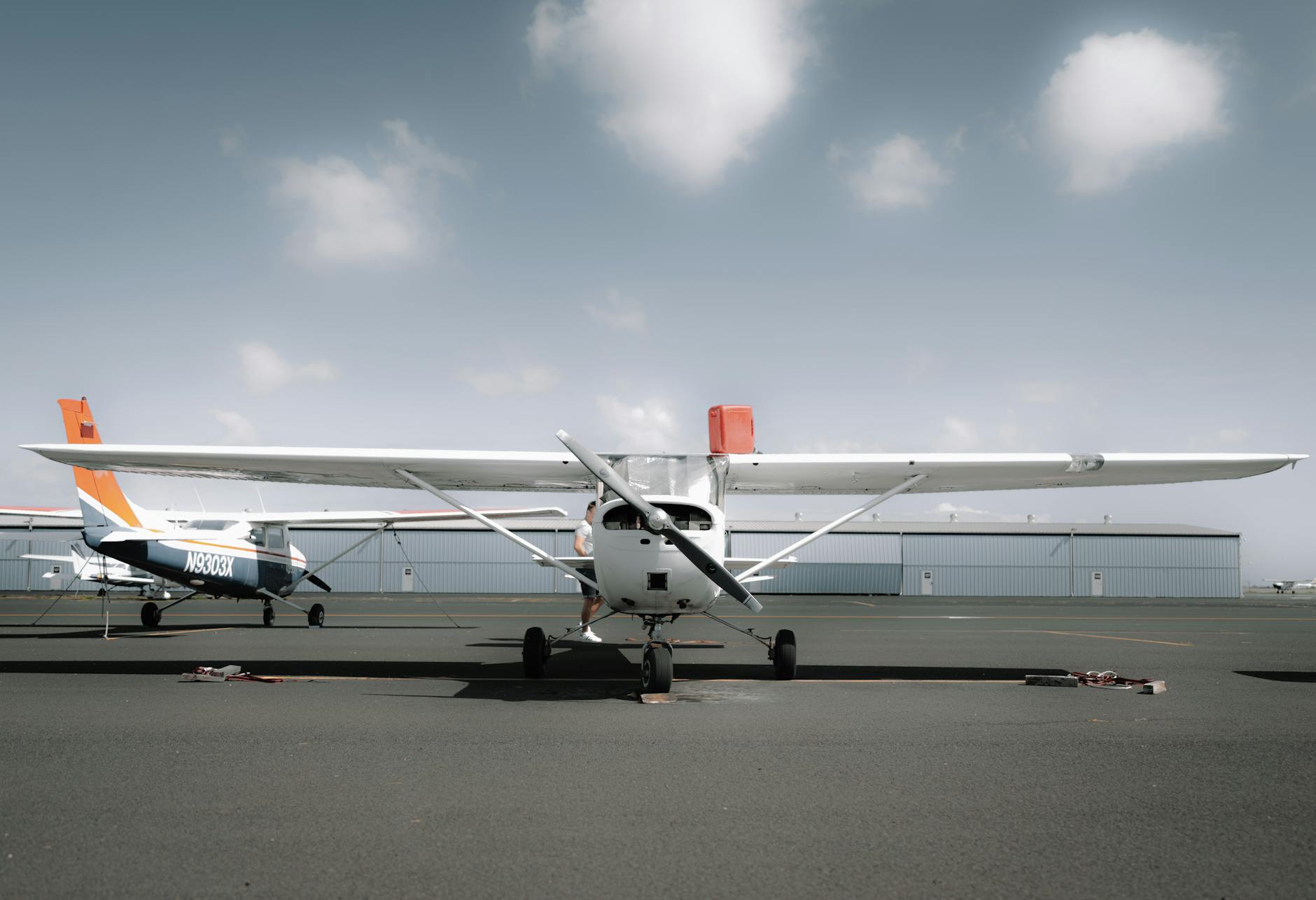
The FAA’s Policy on the Non-Aeronautical Use of Airport Hangars, published in June 2016 and effective July 1, 2016, governs what tenants may keep in hangars at federally obligated airports — those that have accepted FAA grant funding or surplus federal property. The core rule is simple: hangars at these airports must be used primarily for aeronautical purposes. Aircraft storage, maintenance, and the construction of amateur-built or kit aircraft all qualify. Storing a boat, an RV, or running a non-aviation business does not. Critically, the policy also permits incidental non-aeronautical items — a car, tools, a workbench, a refrigerator — as long as they don’t interfere with the hangar’s aeronautical use or displace aircraft.
The distinction matters because hangar tenants get evicted over it, and airport sponsors risk their federal funding over it. Here’s how the policy actually works.
Why the FAA Cares What’s in Your Hangar
The authority traces to grant assurances. When an airport accepts Airport Improvement Program funding or federal surplus property, the sponsor agrees to a set of binding obligations — among them, that airport property will be used for aeronautical purposes and that the airport will be available for aeronautical activities.
Hangars occupy airport land developed with federal money. If that space is filled with lawn equipment and classic cars while pilots sit on a waiting list for aircraft storage, the airport isn’t meeting the commitment it made in exchange for the funding.
That’s the entire logic. The FAA isn’t inspecting hangars for tidiness — it’s ensuring federally funded aviation infrastructure is actually used for aviation.
Important limitation: this policy applies to federally obligated airports only. Privately owned airports that have never accepted federal funding aren’t bound by it, though they may impose their own lease restrictions.
What Counts as Aeronautical Use
The FAA’s policy defines aeronautical use broadly, and more generously than many tenants assume. Permitted uses include:
Storage of aircraft. The obvious one — operational aircraft, including those temporarily out of service.
Construction of amateur-built or kit aircraft. This was the most-watched issue during the policy’s development, and the final version came down clearly on the builders’ side. Final assembly and construction of amateur-built aircraft is aeronautical use, including during the long periods when there’s no recognizable airplane in the hangar yet.
Maintenance, repair, and restoration. Work on aircraft, including extended restoration projects, qualifies.
Storage of aircraft handling equipment. Tugs, jacks, tools, ground power units, and similar equipment used to service aircraft.
Non-commercial flying club activities. Clubs storing and maintaining member aircraft.
Aeronautical businesses. Flight schools, maintenance shops, avionics installers, and similar operations conducting aviation activity.
The construction and restoration allowances matter enormously in practice. A homebuilt project can occupy a hangar for years, and a restoration can leave a hangar looking like a workshop rather than an aircraft storage facility. The policy explicitly accommodates that.
What Doesn’t Count
Non-aeronautical use is what the policy is designed to prevent when it displaces aviation activity:
Storage of vehicles, boats, or RVs unrelated to aviation, as the hangar’s primary purpose.
Non-aviation businesses operating from the hangar.
Residential use. Living in a hangar is not aeronautical use.
Storage of materials and equipment unrelated to aviation — furniture, business inventory, household goods.
Empty hangars held for speculation without aeronautical use.
The last item surprises people. A hangar sitting empty while a waiting list exists isn’t serving an aeronautical purpose either, which is why some airports impose active-use requirements.
The Incidental Use Allowance
This is the part of the policy that generates the most confusion, and it’s more permissive than hangar rumor suggests.
The FAA permits non-aeronautical items in a hangar incidentally, provided they do not interfere with the aeronautical use of the space. In practice, that means:
Your car parked in the hangar while you’re flying is generally fine — it’s incidental to your aviation activity and the space isn’t otherwise being used while the airplane is gone.
Tools, workbenches, a refrigerator, shelving, and a comfortable chair are commonly accepted. They support the aeronautical use of the space.
Some personal storage in unused corners is typically tolerated, so long as the aircraft fits and aeronautical use continues.
What crosses the line is when non-aeronautical items displace the aircraft or become the hangar’s actual purpose. A hangar with a plane in it and a lawnmower in the corner is fine. A hangar with a boat, a project car, and household furniture, where the airplane no longer fits — or was sold two years ago — is not.
The practical test the FAA points toward is straightforward: can the hangar still perform its aeronautical function, and is it actually doing so?
Who Enforces This
Enforcement is primarily the airport sponsor’s responsibility. Airports establish hangar use policies and lease terms consistent with their grant assurances, conduct inspections, and address violations with tenants.
The FAA’s role is oversight. The agency can act on formal complaints under 14 CFR Part 16 — often filed by pilots who believe an airport is failing to make hangar space available for aeronautical use — and can find a sponsor in noncompliance with its grant assurances. That finding can put future federal funding at risk, which is why airport sponsors take hangar use seriously even when the local politics are uncomfortable.
For tenants, the practical consequence usually arrives well before the FAA is involved: a lease violation notice, a compliance deadline, and eviction if the issue isn’t resolved.
Can Non-Aeronautical Use Ever Be Permitted?
Yes, under specific conditions. The FAA recognizes that some airports have hangar capacity exceeding aeronautical demand, and allowing that space to sit empty serves no one.
Airport sponsors may permit interim non-aeronautical use where:
- There is no current aeronautical demand for the space
- The use is temporary, with terms allowing reversion to aeronautical use when demand returns
- The tenant pays fair market rent for the non-aeronautical use
- Revenue goes to the airport, consistent with revenue-use requirements
- The arrangement is coordinated with the FAA
That last set of conditions is the reason non-aeronautical hangar rentals aren’t more common. It’s administratively involved, and the airport must be prepared to displace the tenant when an aircraft owner appears.
What Hangar Tenants Should Do
Read your lease. Airport hangar leases spell out permitted uses, and they’re generally more specific than the FAA policy. Your obligations run to the airport sponsor.
Keep an aircraft in the hangar — or a project. Active aeronautical use is the foundation of your position. A hangar with a homebuilt under construction is defensible; a hangar with nothing aviation-related in it is not.
Keep non-aeronautical items genuinely incidental. If a visitor would describe your hangar as a storage unit that happens to have an airplane in it, reconsider the balance.
Don’t sublease for non-aeronautical use. Subletting hangar space to someone storing a boat creates a problem for you and for the airport.
Document restoration and construction projects. If your aircraft is in pieces for an extended period, having records that establish an active project protects you during an inspection.
Talk to airport management before assuming. Policies vary between airports within the bounds the FAA sets. A conversation is cheaper than a lease violation.
For Airport Sponsors and Operators
If you manage a federally obligated airport, the policy creates real obligations:
Establish and publish a clear hangar use policy consistent with grant assurances, so tenants know the standard.
Inspect periodically. Enforcement is difficult without knowing what’s actually in the hangars.
Maintain and honor a waiting list. Documented aeronautical demand is the strongest justification for enforcement — and unmet demand alongside non-aeronautical use is what generates Part 16 complaints.
Handle interim non-aeronautical use properly. Fair market rent, revenue to the airport, temporary terms, and FAA coordination.
Apply the policy consistently. Selective enforcement is where hangar disputes turn into formal complaints.
The Bottom Line
The FAA’s hangar use policy comes down to a straightforward principle: hangars at federally obligated airports exist to support aviation, and they must actually be used that way. Aircraft storage, maintenance, restoration, and homebuilt construction all qualify. Boats, RVs, non-aviation businesses, and residential use don’t.
The incidental use allowance is more generous than many tenants believe — a car, tools, a workbench, and a refrigerator are all normal. The line is displacement: when non-aeronautical items push the aircraft out, or when there’s no aircraft and no project at all, the hangar has stopped serving its purpose.
For tenants, the practical guidance is to keep aeronautical use genuine and active, keep everything else incidental, and read the lease. For airport sponsors, it’s to publish a clear policy, maintain a waiting list, and enforce consistently — because unmet aeronautical demand sitting next to a hangar full of lawn equipment is exactly the fact pattern that ends up in front of the FAA.
Frequently Asked Questions
What is the FAA’s hangar use policy? The FAA’s Policy on the Non-Aeronautical Use of Airport Hangars, published in June 2016 and effective July 1, 2016, requires that hangars at federally obligated airports be used primarily for aeronautical purposes. The policy defines aeronautical use to include aircraft storage, maintenance and restoration, construction of amateur-built and kit aircraft, storage of aircraft handling equipment, and non-commercial flying club activity. It applies only to airports that have accepted federal grant funding or surplus federal property.
Can I store my car in my hangar? Generally yes, as incidental use. The FAA permits non-aeronautical items in a hangar provided they do not interfere with its aeronautical use. Parking a car in the hangar while you’re flying is a common and accepted example. The limitation is displacement — non-aeronautical items cannot push out the aircraft or become the hangar’s actual purpose.
Can I build an experimental aircraft in a federally obligated hangar? Yes. The FAA’s final policy explicitly recognizes the final assembly and construction of amateur-built and kit aircraft as an aeronautical use, including during the extended periods when there is no recognizable aircraft in the hangar yet. Documenting an active project is advisable if your hangar will be inspected.
What happens if a hangar is used for non-aeronautical purposes? Enforcement is primarily the airport sponsor’s responsibility through lease terms, typically beginning with a violation notice and a compliance deadline, with eviction as the final step. At the federal level, the FAA can act on formal complaints filed under 14 CFR Part 16 and can find an airport sponsor in noncompliance with its grant assurances, which may jeopardize future federal funding.
Does the FAA hangar policy apply to private airports? No. The policy applies to federally obligated airports — those that have accepted FAA grant funding or federal surplus property and are therefore bound by grant assurances. Privately owned airports that have not accepted federal funding are not subject to the policy, though they may impose their own hangar use restrictions through lease terms.
Sources:
- FAA — Policy on the Non-Aeronautical Use of Airport Hangars
- Federal Register — Policy on the Non-Aeronautical Use of Airport Hangars (June 15, 2016)
- FAA — Airport Compliance Manual, Order 5190.6B
- FAA — Airport Sponsor Grant Assurances
- eCFR — 14 CFR Part 16: Rules of Practice for Federally Assisted Airport Enforcement Proceedings