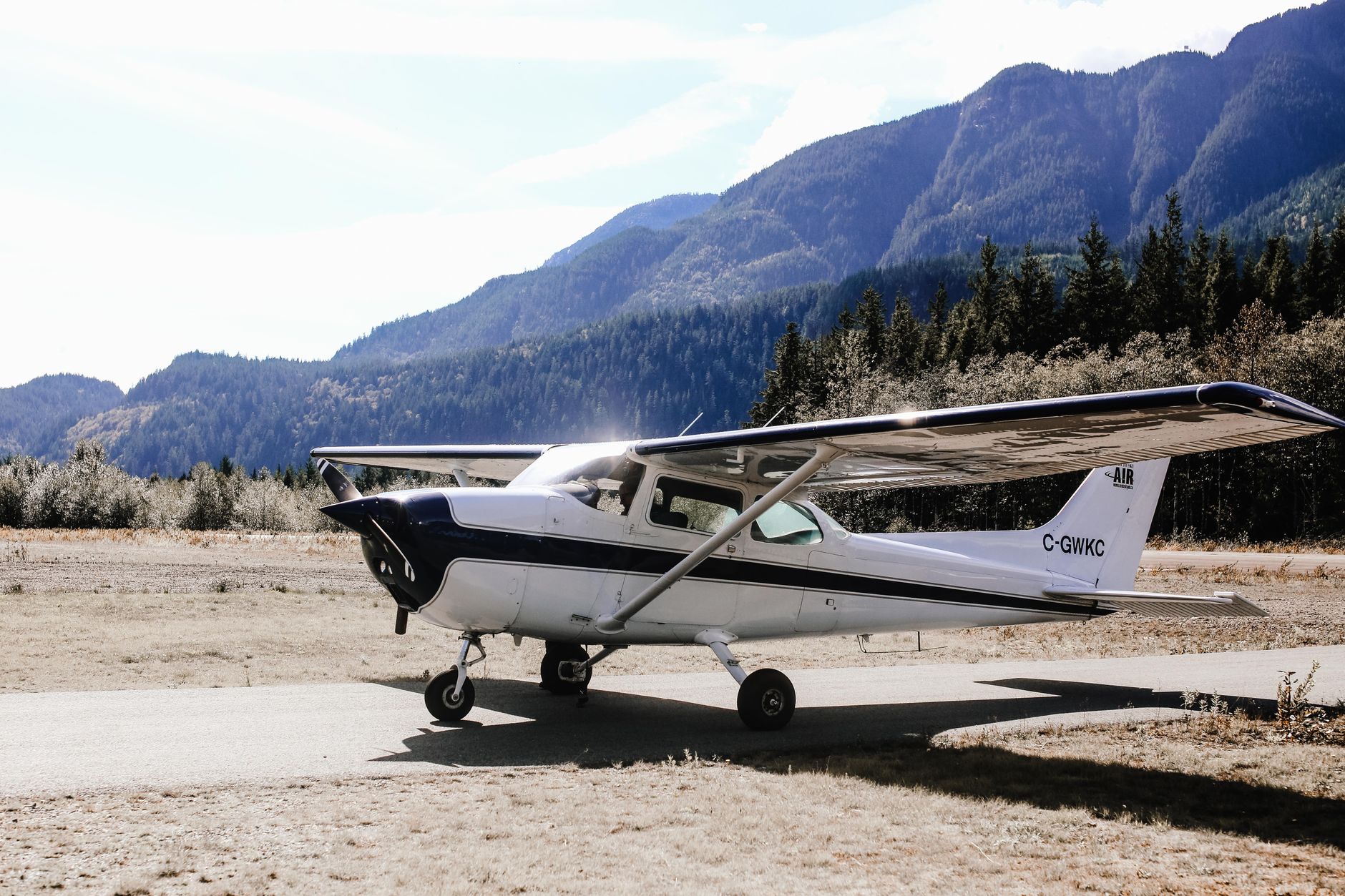
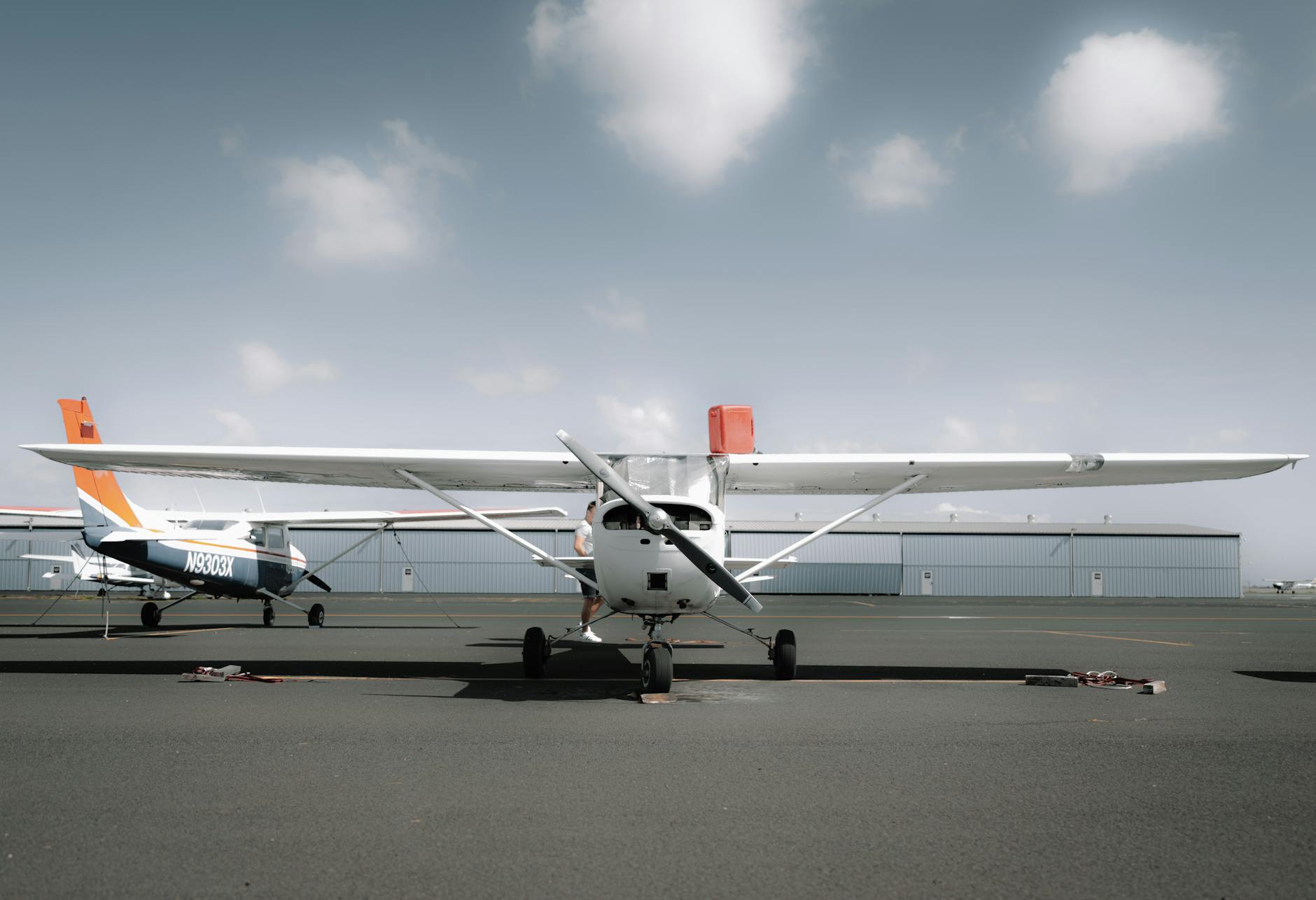
A typical four-seat single-engine airplane like a Cessna 172 costs between $20,000 and $35,000 per year to operate — not including the purchase price or loan payments. As of 2026, the two largest ongoing costs are hangar rental and fuel, each representing roughly 25 to 30 percent of annual operating expenses. But the single biggest financial event in any airplane’s operating life isn’t annual — it’s the engine overhaul, which can run $25,000 to $55,000 or more depending on the engine type.
If you’re thinking about buying an airplane, the purchase price is only the beginning of the conversation. Here’s every cost you’ll actually face.
What Are the Fixed Costs of Aircraft Ownership?
Fixed costs are what you pay whether the airplane flies or sits in the hangar. They don’t change with flight hours. As of 2026, here’s what to expect for a typical single-engine piston aircraft:
Hangar rental: $4,800 to $9,600 per year. The national average for a T-hangar suitable for a single-engine airplane is approximately $400 to $600 per month. In high-demand areas — South Florida, the San Francisco Bay Area, the New York metro region — expect to pay double or more. Many airports maintain waitlists of two to five years for hangar space. Tying down outside is cheaper ($100 to $300 per month) but exposes the aircraft to weather, UV damage, and corrosion that will cost more in the long run.
Insurance: $1,500 to $4,000 per year. Hull and liability coverage for a typical piston single runs $2,500 to $4,000 annually. Premiums depend on the aircraft’s value, the pilot’s total time, time in type, certificates held, and recurrent training history. Completing annual training programs like Cirrus Embark or the FAA WINGS program can reduce premiums by 5 to 10 percent. A low-time pilot in a high-performance aircraft will pay significantly more than an experienced pilot in a basic trainer.
Annual inspection: $1,200 to $3,000. Every aircraft operating under Part 91 requires an annual inspection per 14 CFR 91.409. The inspection itself typically costs $1,200 to $2,500 in labor. But here’s the number that surprises new owners: the squawks. An annual inspection frequently uncovers items that need repair or replacement — worn brake pads, corroded fittings, cracked hoses, AD compliance items. The inspection cost is predictable. The repair bill that follows it is not. Budget $2,000 to $5,000 for the combined inspection-plus-squawks in a typical year. Some years it’s less. Some years it’s much more.
Database subscriptions and fees: $500 to $1,500 per year. Navigation database updates for GPS units (Garmin, Avidyne) run $300 to $600 per year. EFB subscriptions (ForeFlight, Garmin Pilot) add another $100 to $300. ADS-B weather service subscriptions, state registration fees, and FAA registration fees round out the category.
State taxes: $0 to $5,000+ per year. This is the cost most new owners don’t see coming. Many states levy personal property tax on aircraft. In some states, this adds $1,000 to $5,000 or more annually depending on the aircraft’s assessed value. Other states charge no personal property tax on aircraft at all. Research your state’s rules before buying.
What Are the Variable Costs?
Variable costs scale with flight hours. The more you fly, the more you spend. The two biggest are fuel and engine reserves.
Fuel: $5,000 to $9,000 per year at 100 hours. As of mid-2026, 100LL avgas averages roughly $6.00 to $7.50 per gallon at self-serve pumps, though prices vary significantly by region. A Cessna 172 burns approximately 8 to 9 gallons per hour. A Cessna 182 burns 12 to 14. A Bonanza burns 13 to 15. At 100 hours per year — a common benchmark for GA owners — fuel costs for a 172 run approximately $5,500 to $7,000.
Engine overhaul reserve: $1,500 to $2,500 per year at 100 hours. This isn’t a cost you pay annually — it’s money you set aside every flight hour so the engine overhaul doesn’t arrive as a financial shock. A typical four-cylinder Lycoming O-360 has a 2,000-hour TBO (time between overhaul) and an overhaul cost of $30,000 to $45,000 including accessories. Divide the overhaul cost by TBO hours and you get a per-hour reserve figure of $15 to $22. At 100 hours per year, that’s $1,500 to $2,200 annually going into a dedicated savings account. Six-cylinder engines and turbocharged engines are more expensive — Continental IO-550 overhauls run $32,000 to $48,000, and turbocharged Continental TSIO-520s range from $40,000 to $55,000.
Propeller overhaul reserve: $300 to $700 per year. Constant-speed propellers require overhaul every 1,500 to 2,500 hours or every six to ten years (whichever comes first). Budget $3 to $7 per flight hour.
Unscheduled maintenance: $1,000 to $3,000 per year. Things break. Alternators fail, vacuum pumps die, tires wear out, brake pads need replacement, landing gear components need service. Older aircraft generally have higher unscheduled maintenance costs due to aging components, corrosion, and parts scarcity. Budget a cushion for the unexpected.
Oil changes: $300 to $600 per year. Oil changes every 50 hours (or every four months) run $75 to $150 each including filter, oil, and labor. Oil analysis adds $25 to $35 per sample and is worth every penny for tracking engine health trends.
What Does a Typical Year Actually Cost?
Here’s a realistic annual budget for three popular single-engine aircraft, assuming 100 flight hours per year and excluding purchase price or loan payments:
Cessna 172 (mid-time, IFR-equipped): Hangar $6,000 + Insurance $2,500 + Annual inspection and squawks $3,000 + Fuel $6,500 + Engine reserve $1,750 + Prop reserve $400 + Unscheduled maintenance $1,500 + Subscriptions $800 + Oil changes $400 = approximately $22,850 per year, or about $229 per flight hour.
Cessna 182 (mid-time, IFR-equipped): Hangar $6,000 + Insurance $3,200 + Annual and squawks $3,500 + Fuel $8,500 + Engine reserve $2,000 + Prop reserve $500 + Unscheduled maintenance $2,000 + Subscriptions $800 + Oil changes $450 = approximately $26,950 per year, or about $270 per flight hour.
Beechcraft Bonanza A36 (mid-time, IFR-equipped): Hangar $7,200 + Insurance $4,000 + Annual and squawks $4,500 + Fuel $9,500 + Engine reserve $2,500 + Prop reserve $600 + Unscheduled maintenance $3,000 + Subscriptions $900 + Oil changes $500 = approximately $32,700 per year, or about $327 per flight hour.
These numbers are conservative but realistic. First-year costs tend to run 10 to 20 percent higher than expected due to initial setup and deferred maintenance items from the previous owner.
When Does Owning Make Financial Sense?
Ownership becomes cost-competitive with renting at roughly 100 to 150 flight hours per year, depending on local rental rates and your fixed costs.
If you fly fewer than 100 hours annually, renting or joining a flying club is almost always cheaper. You avoid hangar fees, insurance, annual inspections, and the engine overhaul reserve entirely. At most flight schools, a Cessna 172 rents for $160 to $200 per hour wet (fuel included).
Between 100 and 150 hours, the math gets close. Above 150 hours, ownership typically wins on a per-hour basis — and you gain scheduling freedom, aircraft familiarity, and the ability to customize avionics and equipment to your mission.
But the financial case for ownership is only half the equation. Many owners buy airplanes not because it’s cheaper than renting but because they want the freedom to fly when they want, where they want, in an airplane they know intimately. That’s the convenience premium — and it’s real.
What Costs Do New Owners Most Often Overlook?
Several costs consistently surprise first-time aircraft owners:
Engine overhaul timing. Buying an airplane with 1,500 hours on a 2,000-hour TBO engine means you’re 500 hours from a $30,000 to $50,000 bill. The purchase price may reflect this — but many buyers don’t budget for the overhaul reserve from day one.
Avionics obsolescence. GPS units, transponders, and autopilot systems don’t last forever. A panel upgrade or avionics replacement can cost $10,000 to $50,000 depending on scope. Budget a small annual reserve.
Paint and interior. Cosmetic reserve of $1,000 to $2,500 per year isn’t exciting, but a full paint job runs $15,000 to $30,000 and interior reupholstery runs $8,000 to $20,000. These expenses come due every 10 to 15 years.
Airworthiness Directives. ADs can require expensive compliance at any time. Some are minor inspections. Others require part replacements costing thousands of dollars. You can’t predict them, but you can maintain a financial cushion.
The airplane sitting idle. Aircraft that don’t fly regularly cost more to maintain. Corrosion, dry seals, stale fuel, flat-spotted tires, and battery degradation are all consequences of low utilization. An airplane that flies 200 hours a year is generally healthier than one that flies 30.
Alternatives to Solo Ownership
If the numbers are daunting, several alternatives reduce the financial exposure while keeping you in the cockpit:
Partnerships. Two or three pilots co-owning an aircraft split fixed costs dramatically. A Cessna 172 owned by two partners costs each owner roughly $11,000 to $14,000 per year instead of $22,000 to $28,000. The tradeoff is scheduling coordination and shared decision-making on maintenance and upgrades.
Flying clubs. Monthly dues ($100 to $300) plus hourly rates ($100 to $175 wet) give you access to well-maintained aircraft without the fixed-cost burden. Many clubs own multiple aircraft types, giving members variety.
Fractional ownership. Programs that sell shares of aircraft time reduce financial exposure for pilots who fly fewer than 100 hours annually. These are more common in turbine aviation but exist for piston aircraft in some markets.
Frequently Asked Questions
How much does it cost to own a Cessna 172 per year? As of 2026, a mid-time, IFR-equipped Cessna 172 costs approximately $20,000 to $30,000 per year to operate at 100 flight hours, excluding purchase price or loan payments. This includes hangar ($5,000–$7,000), insurance ($2,500–$4,000), annual inspection ($1,500–$3,000), fuel ($5,500–$7,000), engine reserves ($1,500–$2,000), and maintenance.
What is the biggest cost of aircraft ownership? On an annual basis, hangar rental and fuel are typically the two largest costs, each representing 25 to 30 percent of operating expenses. However, the single largest individual expense in an aircraft’s operating life is the engine overhaul, which costs $25,000 to $55,000 or more depending on engine type. Owners should budget $15 to $25 per flight hour in reserves.
When does owning an airplane become cheaper than renting? Ownership generally becomes cost-competitive with renting at approximately 100 to 150 flight hours per year. Below 100 hours, renting or flying club membership is almost always cheaper because you avoid fixed costs like hangar fees, insurance, and annual inspections.
How much does an aircraft engine overhaul cost? As of 2026, a four-cylinder Lycoming O-360 overhaul costs $30,000 to $45,000 including accessories. Six-cylinder Lycoming IO-540 engines run $45,000 to $65,000. Continental IO-550 engines cost $32,000 to $48,000. Turbocharged Continental TSIO-520 engines range from $40,000 to $55,000. Factory remanufactured engines cost 20 to 40 percent more but include zero-time warranties.
What costs do first-time aircraft owners most often miss? The most commonly overlooked costs include state personal property taxes ($1,000 to $5,000+ annually), navigation database subscriptions ($300 to $600 per year), cosmetic reserves for paint and interior ($1,000 to $2,500 per year), avionics obsolescence, and Airworthiness Directives that can require expensive compliance at any time.
Sources:
- Jaken Aviation — True Annual Aircraft Operating Costs: Complete Breakdown 2026 (March 2026)
- Rotate — Aircraft Ownership Guide 2026 (March 2026)
- BWI Aviation Insurance — Complete Aircraft Ownership Costs Guide 2025 (November 2025)
- Jettly — Plane Ownership Cost: Complete Guide (August 2025)
- Flying411 — Lycoming O-Series Engine Overhaul Cost (February 2026)
- Piston Aircraft Loans — Financial Implications of Engine Overhauls (January 2026)