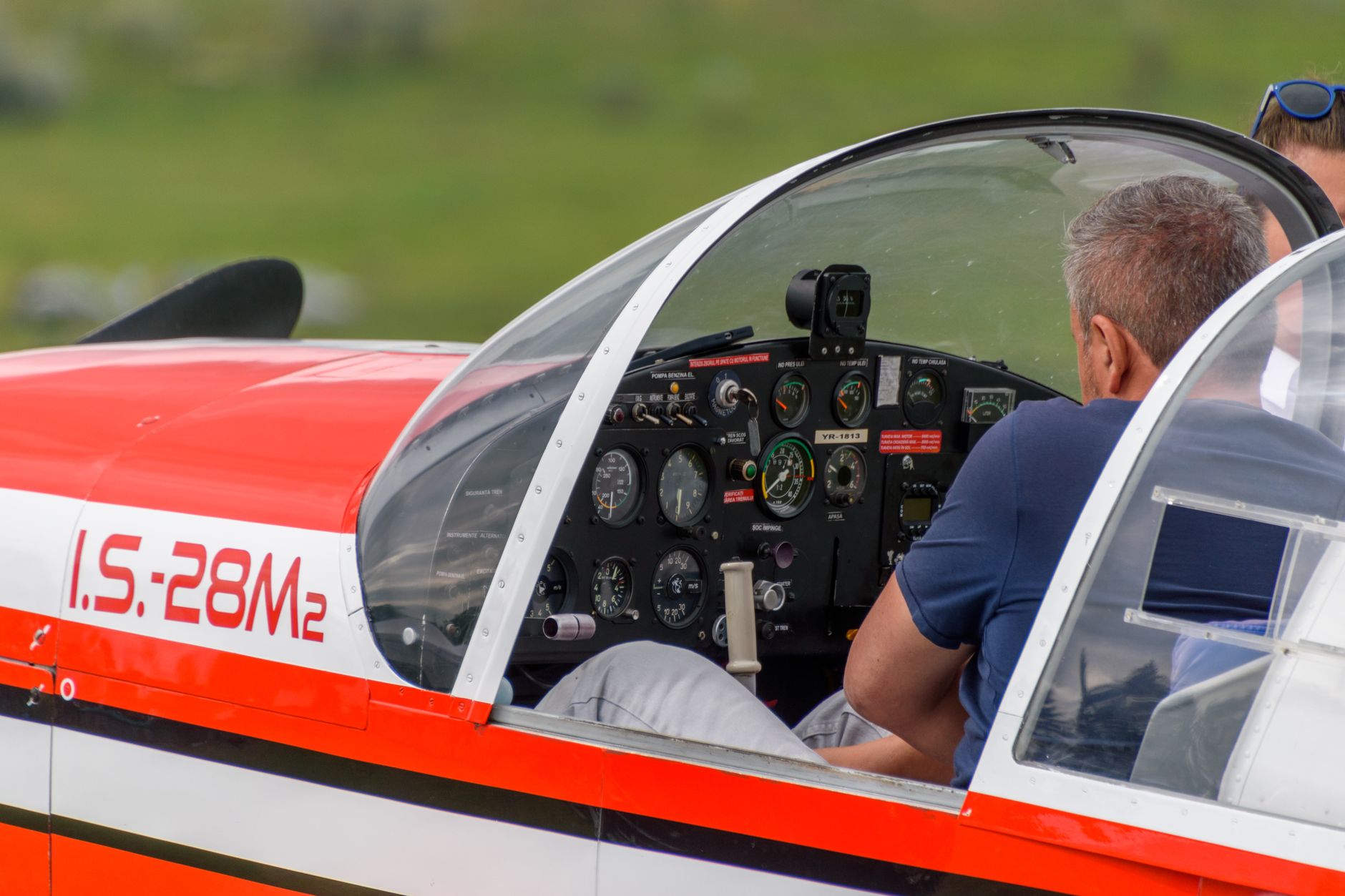
In short: Rod Machado’s advice is to learn in the simplest, smallest two-seat airplane you can find, ideally with round-dial instruments or a simple primary flight display. Your only goal in primary training is to learn to fly, and a basic trainer builds the stick-and-rudder skills you will use for life, while advanced avionics can be learned cheaply after you are certificated.
Video: “The Best Airplane for Training” by Rod Machado, from his YouTube channel.
What you’ll learn
- Why learning advanced avionics during primary training can slow you down and raise costs
- How you can transition to glass cockpits easily after earning your certificate
- Why some instructors may steer you toward fancier airplanes
- Why a four-seat airplane is not required to become a private pilot
- Why small, simple trainers build stronger stick-and-rudder skills
- Examples of trainers Rod recommends
One Objective: Learn to Fly
Rod says this is one of the questions he has heard most often in his decades of teaching. Many new students arrive convinced they need a four-seat airplane with a cockpit full of screens, worried they will never handle advanced avionics otherwise. Rod disagrees.
Whether you are pursuing a sport or private certificate, your single objective should be learning to fly the airplane. Trying to master sophisticated avionics at the same time adds distraction, which in his experience tends to lengthen training and increase its cost. Anything that does that makes it less likely you will finish. After you earn your certificate, he notes, you can transition to advanced avionics quickly and affordably, including with software that lets you practice primary and multifunction displays at home.
Why Smaller and Simpler Wins
Rod also offers a candid observation about incentives: many flight instructors enjoy flying sophisticated airplanes, especially when a student is paying, so they may encourage you in that direction. And you do not need a four-seater to become a private pilot. Four-seat airplanes generally cost more to rent than two-seaters, sometimes by a wide margin when they carry advanced avionics.
His one-sentence advice is to learn in the simplest, smallest two-place airplane available. Smaller airplanes demand that you develop real stick-and-rudder, or attitude flying, skills, and Rod considers those the most important skills a new pilot can build. He points out that a large share of accidents involve pilots losing control of the airplane, which is exactly what solid fundamentals help prevent, assuming you have a good instructor.
You can learn safely in almost any airplane, he acknowledges, but some are simply better trainers. He names the Piper Cub, Cessna 150, Pipistrel and SportCruiser, along with other light sport designs, as examples.
Go deeper with Rod Machado
Rod’s pilot handbook covers the attitude flying principles and aircraft fundamentals that a simple trainer helps you master. Learn more in Rod Machado’s Private/Commercial Pilot Handbook.
Looking for a flight instructor or flight school near you? Browse instructors and training programs on Skyfarer.
Affiliate disclosure: Skyfarer may earn a commission from qualifying purchases via our links. This funds our content for pilots.