In short: Every flight trains you hundreds of times to pull on the elevator when altitude drops. Rod Machado warns that in a real engine failure this conditioned reflex can push you to stretch a glide and stall, and that the countermeasure is recognizing the impulse and building as much stall proficiency as you can.
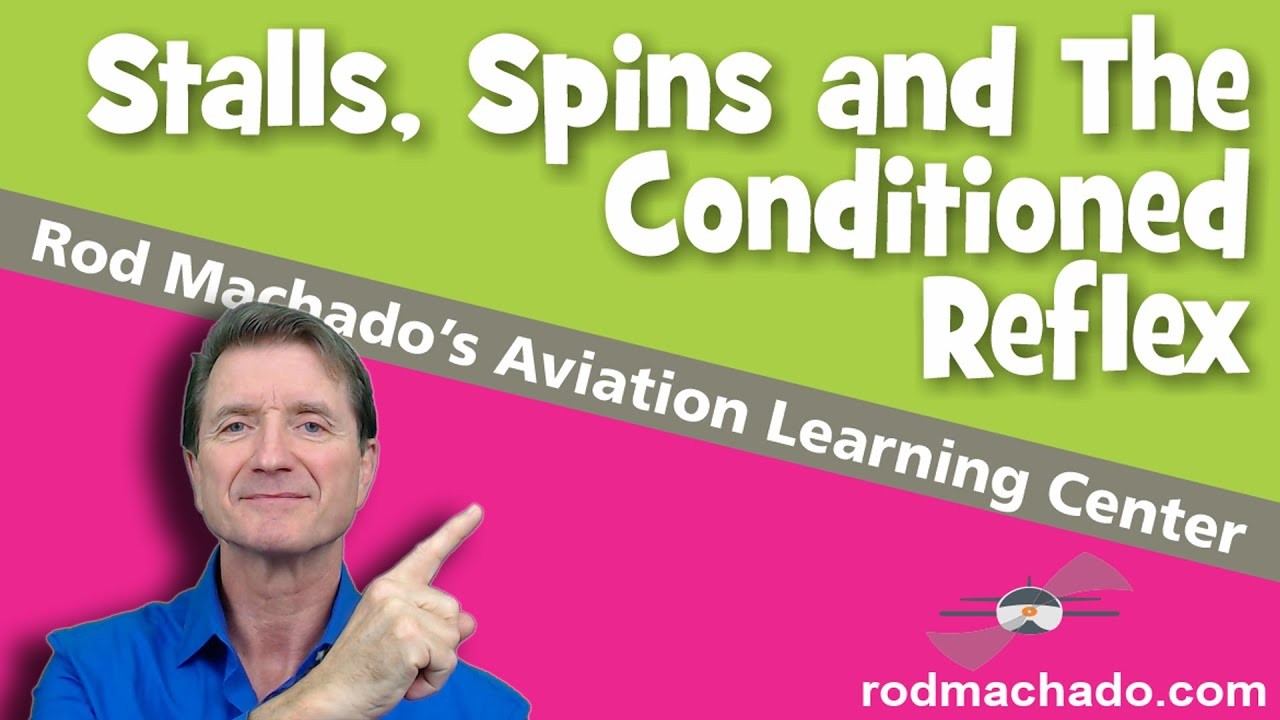
Video: “Stalls Spins & the Conditioned Reflex” by Rod Machado, from his YouTube channel.
What you’ll learn
- How the elevator-for-airspeed teaching method is meant to prevent glide stretching
- Why routine flying reinforces the opposite habit hundreds of times per flight
- Why pulling back to stretch a glide is so tempting in a real emergency
- Why stall recognition and awareness may be the most important countermeasure
- Why most pilots get very little actual practice at the stall recovery itself
Two habits pulling in opposite directions
Many instructors teach pilots to use the elevator to control airspeed and the throttle to control altitude. The idea is that a pilot who thinks this way is less likely to pull back and try to stretch a glide toward a distant field after an engine failure. Rod agrees it helps, but he points out a competing lesson that gets repeated far more often.
In straight-and-level flight, any small altitude change is corrected with a nudge on the elevator. Every turn takes a little back pressure to hold altitude. The landing flare is a pull on the elevator. Each repetition teaches your brain that when altitude changes, you push or pull to fix it. When you’re low and powerless in a real emergency, that habit can turn the elevator into what feels like a glide stretcher, which it isn’t.
Building a countermeasure
Rod’s first step is awareness. Once you understand why the urge exists, you can consciously override it, even if you’re well trained in emergency procedures. His second step is a strong countermeasure, and stall recognition and awareness may be the only significant one.
The challenge, as the video description notes, is that applicants often reach their checkride with only a few minutes of real practice at the recovery itself, meaning the reflexive reduction in angle of attack at the moment of the stall. Rod’s advice is to be ready to say no to the urge to stretch a glide, and to get as much extra stall training as your budget allows. You’ll be safer and more confident for it.
Go deeper with Rod Machado
Stalls, angle of attack and the habits behind good stick-and-rudder flying are central to Rod’s eCourse on how to fly an airplane. Learn more in How to Fly an Airplane eCourse.
Looking for a flight instructor or flight school near you? Browse instructors and training programs on Skyfarer.
Affiliate disclosure: Skyfarer may earn a commission from qualifying purchases via our links. This funds our content for pilots.