In short: At high density altitude, a normally aspirated airplane produces much less thrust, so the pitch attitude that holds your climb speed at a sea-level airport will be too steep. In a simulated Cessna 172, Rod Machado shows that holding 74 knots took about 12 degrees nose up at sea level but only about 7 degrees nose up at a density altitude near 8,000 feet.
Video: “Takeoff and Density Altitude” by Rod Machado, from his YouTube channel.
What you’ll learn
- How Rod set up a side-by-side takeoff experiment in a simulator
- How much longer the takeoff roll became at high density altitude
- Why he accelerated in ground effect before setting the climb attitude
- The difference in pitch attitude needed to hold the same climb speed
- The common mistake pilots make when departing high density altitude airports
A simple experiment
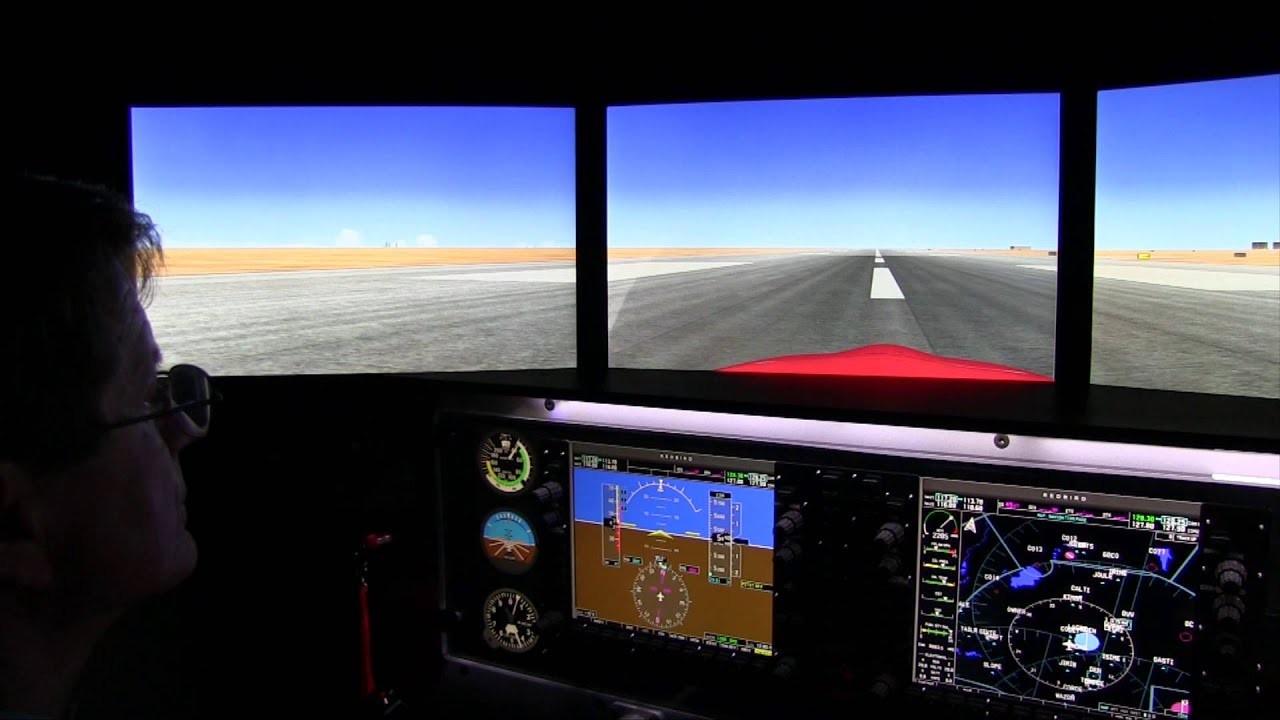
Filmed for AOPA Live in a flight simulation lab at John Wayne Airport in Southern California, this short video compares two takeoffs in a Cessna 172. The first is from a sea-level airport under standard conditions, giving a very low density altitude. Climbing out at 74 knots indicated, Rod finds that about 12 degrees nose up holds that speed.
Then he repeats the takeoff from an airport where the density altitude is close to 8,000 feet. In this non-turbocharged airplane, the acceleration to liftoff speed takes a lot longer. After liftoff, Rod lowers the nose and accelerates to 74 knots in ground effect before establishing his climb. This time, the attitude that holds 74 knots is only about 7 degrees nose up.
Why the attitude changes
Rod’s explanation is straightforward. At low density altitude, the airplane produces a great deal more thrust, which allows a steeper climb angle at the same airspeed. At high density altitude, the engine produces much less thrust, so the airplane is limited to a shallower climb path.
The practical consequence is what matters. If you want to climb at the same indicated airspeed you use at home, you will need a noticeably lower pitch attitude when the density altitude is high.
The mistake to avoid
According to Rod, one of the big errors pilots make in high density altitude conditions is rotating to the same climb attitude they are used to at a low density altitude airport. With less thrust available, that familiar picture out the windshield will not deliver the climb speed you expect. Fly the airspeed, accept the lower nose attitude, and remember that the takeoff roll will be longer too.
Go deeper with Rod Machado
Rod covers density altitude, aircraft performance and takeoff planning in detail in his pilot handbook. Learn more in Rod Machado’s Private/Commercial Pilot Handbook.
Looking for a flight instructor or flight school near you? Browse instructors and training programs on Skyfarer.
Affiliate disclosure: Skyfarer may earn a commission from qualifying purchases via our links. This funds our content for pilots.