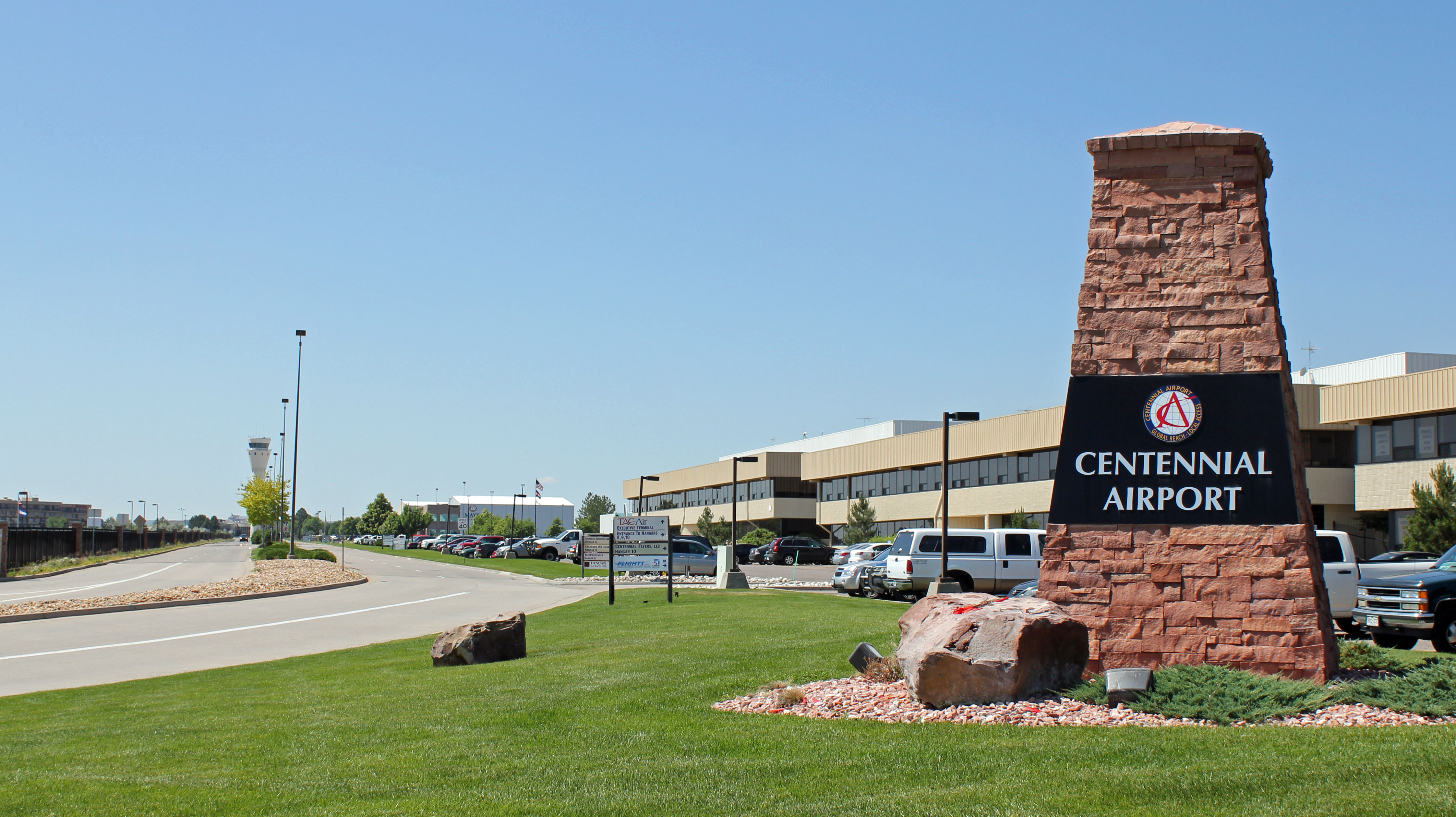

The FAA has stopped touch-and-goes, simultaneous parallel runway departures, and other pattern work at Centennial Airport (KAPA) near Denver, one of the busiest general aviation airports in the country. The tower was notified on October 1, 2026. The FAA says a safety risk assessment found cases of aircraft drifting toward other aircraft departing at the same time from the parallel runway, and the restrictions will stay in place while it reviews the problem. Centennial’s CEO says there is no specific timeframe for returning to normal operations.
The bigger complaint from pilots isn’t the safety concern. It’s how the change was made. AOPA says nearly a week after the order, the FAA still hadn’t issued a NOTAM or updated the airport’s ATIS.
What Changed
| Before | Now |
|---|---|
| Touch-and-goes allowed | Touch-and-goes prohibited |
| Simultaneous departures from the parallel runways | Suspended pending FAA-approved mitigations |
| Routine pattern work | Restricted |
The FAA’s order, as relayed by the airport authority to tenants, told controllers to “immediately cease simultaneous parallel departure operations at Centennial until approved mitigations can be identified.”
Centennial’s two parallel runways are only about 700 feet apart. When two aircraft depart side by side, a small drift off the runway heading puts one into the other’s path quickly. The FAA has also said it’s concerned about conflicts between IFR departures on one runway and VFR departures on the other.
Why the FAA Says It Acted
The FAA told CBS Colorado that a safety risk assessment found incidents in which aircraft drifted toward others departing simultaneously from the parallel runway. It hasn’t said how many incidents, when they happened, or how close the aircraft came.
The agency is now running a Safety Risk Management panel, its formal process for identifying hazards and approving fixes, and says it’s working with the airport and local stakeholders. The restrictions stay in place until that review produces approved mitigations.
Centennial has had a serious close call before. In May 2021, a Cirrus SR22 and a Swearingen Metroliner collided while approaching Centennial’s parallel runways. The Cirrus pilot deployed the airframe parachute, the Metroliner landed with part of its fuselage torn open, and no one was hurt. That accident involved arrivals rather than departures, but it’s part of why parallel operations at KAPA get close attention.
The Problem With How It Was Done
Few people dispute that the FAA should act on a real safety risk. The objection is that pilots weren’t told properly.
Here’s how the news spread:
| Date | What happened |
|---|---|
| October 1 | Tower notified of the change |
| Around October 1–4 | Airport authority emails tenants |
| October 4 | Colorado Pilots Association tells AOPA |
| October 8 | AOPA raises its concerns publicly |
| About a week after the order | Still no NOTAM, no ATIS update, per AOPA |
NOTAMs and the ATIS are how pilots are supposed to learn about changes at an airport. A transient pilot planning to practice landings at Centennial would have found out from the tower on the radio.
AOPA’s Northwest Mountain regional manager Brad Schuster said the sudden change “appears to be unprecedented.” He pointed out that FAA grant assurances require airport owners to promptly notify pilots of conditions that affect airport use, and argued that when the FAA itself imposes a restriction, it should meet the same standard.
That argument has an interesting edge. In the Aeroflex-Andover hangar dispute in New Jersey, the grant assurances weren’t available because the airport isn’t federally obligated. Here, Centennial is federally obligated, but the restriction comes from the FAA’s own air traffic organization, not the airport owner. Grant assurances bind airport sponsors. They don’t bind the FAA’s tower. So AOPA is making a fairness argument, not invoking a rule the FAA has broken.
Who It Hurts
Flight schools. Centennial handles more than 300,000 operations a year, and a large share of that is training. Touch-and-goes are the core of early flight training: a student might fly a dozen landings in an hour. Without them, students either do full-stop landings with long taxi-backs, which means fewer landings per hour, or fly to another airport to practice.
Centennial CEO Mike Fronapfel wrote to flight school operators that the restrictions have had “an immediate and significant effect on flight training.”
Students’ wallets. Flying elsewhere for pattern work adds time on the clock. As a rough illustration: a trainer at about $165 an hour plus an instructor at about $69 an hour (PilotBound’s 2026 averages) costs about $234 an hour together. An extra 0.3 to 0.5 hours of transit per lesson adds roughly $70 to $117 per lesson. Over a private pilot course with dozens of pattern lessons, that adds up.
Neighboring airports. The training traffic doesn’t disappear. It moves to other Front Range airports, which already handle their own flight schools. Communities near some of those airports have pushed back on training noise for years. AOPA warns that the spillover will likely raise traffic and community tension elsewhere, and Schuster called for more engagement before changes like this, “not just at Centennial.”
What Student Pilots Should Do Now
If you train at Centennial, or plan to fly there:
- Check with your school about how it’s handling pattern work, which airports it’s using, and whether lesson costs are changing.
- Listen to the ATIS and ask the tower. Don’t assume the published information is current, since the official notice lagged the change.
- Check NOTAMs for both Centennial and any airport you’re diverting to for practice. Expect busier patterns at nearby fields.
- Budget for extra time in lessons that involve landings, at least until the FAA finishes its review.
- Fly parallel runway departures carefully wherever you train. The FAA’s concern, drifting off runway heading toward a parallel departure, is a reminder to hold your heading on climbout and watch for traffic on the adjacent runway.
What Happens Next
The FAA’s Safety Risk Management panel will decide what mitigations it needs before allowing simultaneous parallel departures again. Possible answers range from new departure headings or procedures to permanent limits on certain operations. AOPA and the airport authority have asked to meet with FAA officials. No timeline has been announced.
The Bottom Line
The FAA found a real risk at Centennial: aircraft drifting toward each other on simultaneous departures from runways only 700 feet apart. It stopped touch-and-goes, parallel departures, and pattern work while it works out a fix. The safety concern is reasonable. The rollout wasn’t. The change took effect with no NOTAM or ATIS update for about a week, and the cost lands on flight schools, students, and the neighboring airports that will absorb the training traffic. How quickly the FAA finishes its review will decide how expensive this gets.
Frequently Asked Questions
What did the FAA restrict at Centennial Airport? The FAA stopped touch-and-goes, suspended simultaneous departures from Centennial’s parallel runways, and restricted other pattern work. The tower was notified on October 1, 2026. The restrictions will remain until the FAA approves mitigations for the safety risk it identified.
Why did the FAA restrict operations at Centennial? The FAA said a safety risk assessment found incidents in which aircraft drifted toward other aircraft departing simultaneously from the parallel runway. It has also cited conflicts between IFR departures on one runway and VFR departures on the other. Centennial’s parallel runways are about 700 feet apart. The FAA is conducting a Safety Risk Management panel to decide on fixes.
How long will the Centennial restrictions last? No end date has been announced. Centennial’s CEO told flight schools there is no specific timeframe for resuming normal operations. The restrictions will stay in place until the FAA’s safety review identifies and approves mitigations.
Was a NOTAM issued for the Centennial restrictions? According to AOPA, nearly a week after the order, the FAA had not issued a NOTAM or updated the airport’s ATIS. Tenants learned about it through an airport authority email. Pilots should check current NOTAMs and the ATIS, and confirm with the tower.
How does this affect flight training at Centennial? Touch-and-goes are a core part of early flight training. Without them, students do fewer landings per hour or fly to other airports to practice, which adds time and cost. Training traffic is likely to shift to other Front Range airports, which AOPA warns could increase congestion and community noise concerns there.
Sources:
- AOPA — FAA Limits VFR Operations at Centennial Airport (October 15, 2026)
- AOPA — AOPA Expresses Concern Over Centennial Airport GA Limitations (October 8, 2026)
- CBS Colorado — FAA Limits Takeoffs at Centennial Airport Over Safety Concerns (October 15, 2026)
- General Aviation News — FAA Restrictions at Centennial Airport Spark Concern (October 9, 2026)
- AVweb — FAA Bans Touch-and-Goes at Centennial Airport (October 9, 2026)
- AvBrief — FAA Bans Touch and Goes, Restricts Pattern Work at Centennial Airport (October 8, 2026)