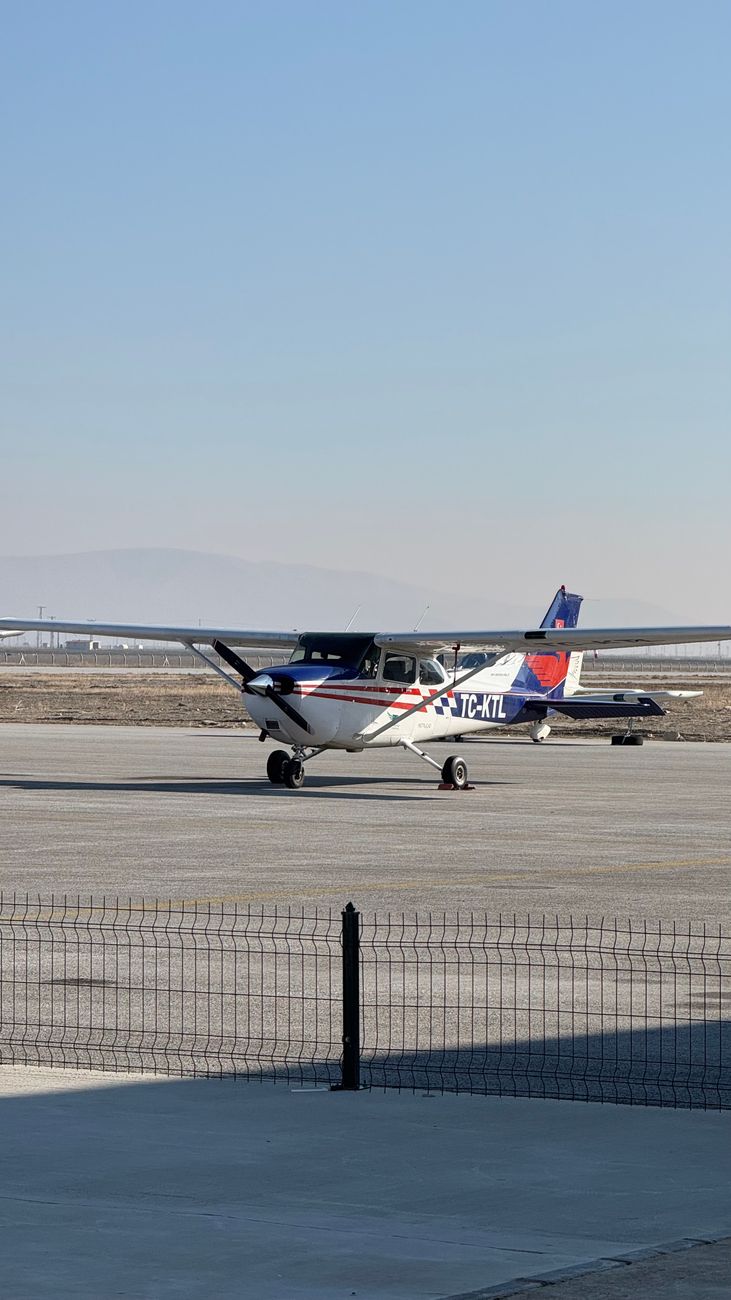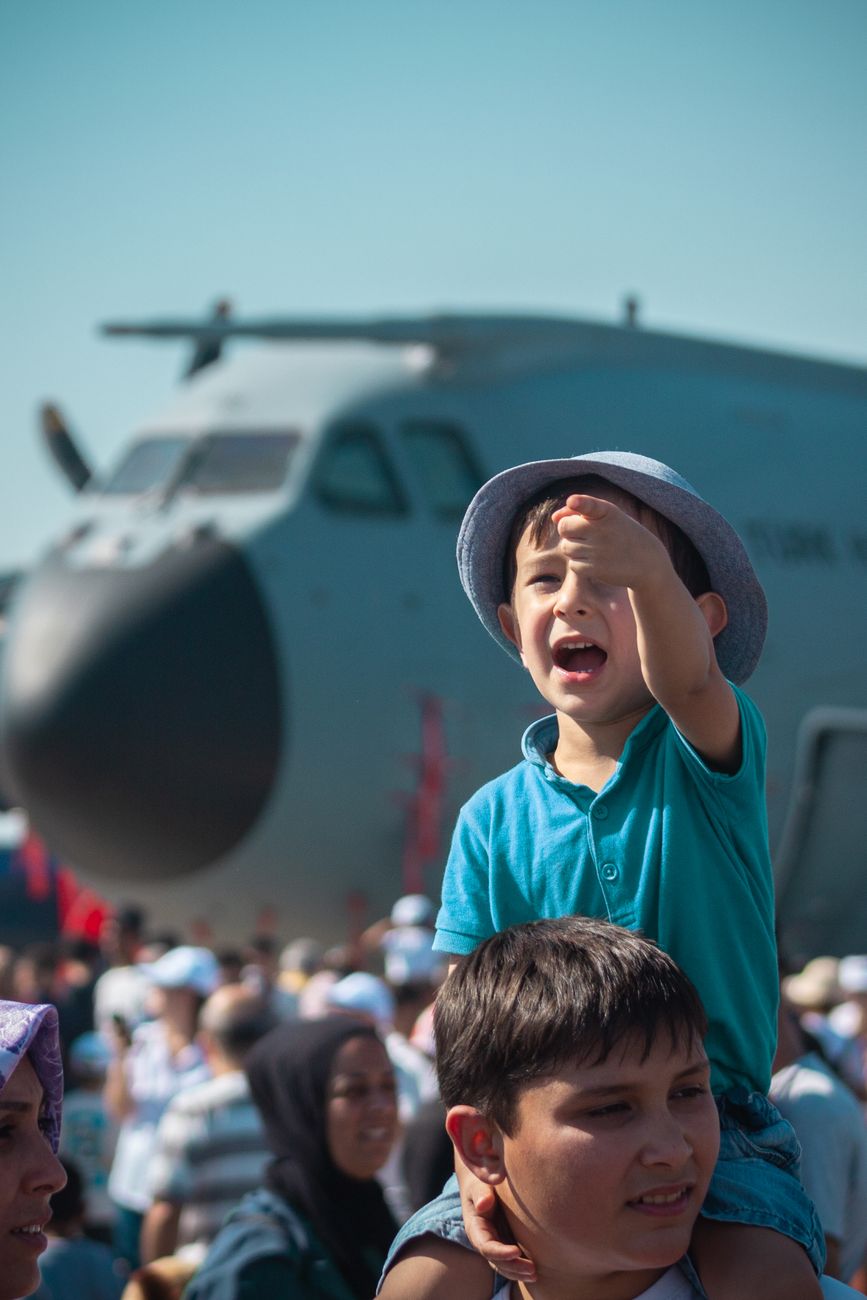
Short answer: Not toward a license, at least not yet. Under FAA rules, a child must be 16 to solo an airplane (14 for a glider or balloon) and 17 to earn a private pilot certificate. But there is no minimum age to start learning. For a 6-year-old, the best path is low-pressure exposure: flight simulators, model aircraft, free online aviation activities, aviation museums and airport events, and kids’ aviation videos. Free introductory flights through EAA’s Young Eagles program start at age 8, and the Civil Air Patrol cadet program starts at 12.
Many parents with a plane-obsessed kindergartener ask the same thing: is there an actual flight course for a child this young? There isn’t a formal one, and there doesn’t need to be. The goal at 6 is to keep the curiosity alive and build the foundations: hand-eye coordination, focus, basic science and a love of airplanes. Here’s how to do that, organized by age.
What Are the Age Requirements to Fly?
| Milestone | Minimum age | Notes |
|---|---|---|
| Ride along / take the controls with an instructor | No minimum | There is no FAA minimum age to receive flight instruction. Reaching the rudder pedals is the practical limit. |
| EAA Young Eagles free introductory flight | 8 | Free flights for ages 8–17 with volunteer pilots |
| Girls in Aviation Day events | 8 | Free events for ages 8–18 with an adult chaperone |
| Civil Air Patrol cadet | 12 | Some school-based squadrons accept sixth graders under 12 |
| Student pilot certificate (glider or balloon) | 14 | 14 CFR 61.83 |
| Student pilot certificate (airplane or helicopter) | 16 | Required to solo; 14 CFR 61.83 |
| Private pilot certificate (airplane) | 17 | 14 CFR 61.103 |
The takeaway: a 6-year-old has roughly a decade before soloing an airplane. That’s not a reason to wait. It’s plenty of time to build interest the right way.
Ages 5–7: Make Aviation Part of Play
At this age, the best “course” is the one that doesn’t feel like a course.
Flight simulators. A home flight sim is one of the most popular starting points. Consumer titles like Microsoft Flight Simulator and X-Plane let kids take off, land and explore real-world scenery. A simple joystick, or a yoke and throttle setup, makes it feel real. Many parents find it builds hand-eye coordination and patience, and it gives a child a sense of what the controls actually do. Start with short sessions and easy settings, such as clear weather and a small airplane, so it stays fun.
Model airplanes and rockets. Balsa gliders, foam planes and simple rocket kits teach lift, drag and thrust through trial and error. For older kids, radio-control flying is a natural next step. The Academy of Model Aeronautics (modelaircraft.org) has youth resources and can point families to local flying fields.
Free online activities. EAA’s AeroEducate (aeroeducate.org) is a free platform built for ages 5 to 18. It offers age-appropriate aviation and STEM activities you can do at home, plus a badge program that rewards kids for completing them.
Kids’ aviation videos. YouTube has a growing number of aviation channels made for young viewers. They explain how planes fly, tour cockpits and airports, and introduce aviation jobs at a kid’s level. Watch together and use them as conversation starters.
Aviation-themed building sets. Airplane, helicopter and airport building sets are a hands-on way to learn parts of an aircraft. A 6-year-old who can name the ailerons is off to a great start.
Get Out to the Airport
Nothing beats seeing real airplanes up close.
Aviation museums. Most regions have an air and space museum within driving distance. Many have cockpits kids can sit in, and some offer family days or kids’ programs.
Airport events and fly-ins. Local airports often host open houses, pancake breakfasts and fly-ins where families can walk among aircraft and talk to pilots. Pilots are almost always happy to answer a curious kid’s questions.
Airport observation areas. Simply watching takeoffs and landings, with a handheld radio tuned to the tower if you want to listen in, can be an afternoon a young aviation fan remembers.
Girls in Aviation Day. Women in Aviation International holds Girls in Aviation Day events each September at locations worldwide. They’re free and open to ages 8–18, so a younger child can plan on attending in a couple of years.
Can a Young Child Take a Flight Lesson?
Technically, yes. There’s no minimum age to fly with a certificated flight instructor, and some instructors are happy to take a young child up for a short introductory flight. The child may even take the controls in smooth air.
The practical limits are physical and developmental. Can the child see over the panel with a cushion, reach the pedals and sit still for 30 minutes? Experienced instructors often say that what matters isn’t age but whether the child can concentrate, follow instructions and handle the sensory overload of a first flight without getting overwhelmed.
If you try it, set expectations low and keep the flight short. The goal is a great memory, not a logbook entry. Talk with the instructor beforehand about your child’s age and temperament, and be ready to turn around if the child is uncomfortable.
Ages 8–17: Free Flights With Young Eagles
Once a child turns 8, the EAA Young Eagles program opens up. Volunteer pilots give kids ages 8–17 a free introductory flight in a general aviation airplane. It’s often a child’s first time in a small aircraft, and the pilots walk them through the preflight and explain what’s happening along the way. Find upcoming flight rallies at youngeagles.org or through EAA.
Ages 12–18: Civil Air Patrol
The Civil Air Patrol, the civilian auxiliary of the U.S. Air Force, accepts cadets from age 12 until they turn 19. Some school-based squadrons accept sixth graders who aren’t yet 12. Cadets learn aerospace education, leadership and emergency services. They’re also eligible for orientation flights and can apply to summer flight academies that work toward solo flight. Costs are low compared with private training, but they aren’t zero: plan on membership dues and uniform costs.
In-School STEM: STARBASE
The Department of Defense STARBASE program brings hands-on science, technology, engineering and math to students, mostly in grades 4–8, at sites on or near military installations. Students spend about five days working on aerospace-themed projects. It’s usually offered through participating schools, so ask your child’s school or district whether they take part.
One Practical Tip: Get an Eye Exam
If your child is serious about flying someday, a routine eye exam that includes a color vision test is worth doing early. Color vision deficiency often goes unnoticed in young children. It doesn’t automatically rule out flying: many pilots with mild color deficiency fly with a limitation or pass an alternative test. Still, it’s better to learn early so there are no surprises when it’s time for an FAA medical exam. (This is general guidance, not medical advice. An aviation medical examiner can explain the specific standards.)
Don’t Forget the Other Aviation Careers
Not every aviation-loving kid becomes a pilot, and that’s a good thing. A child who loves taking things apart may thrive as an aircraft maintenance technician, a field facing a serious workforce shortage. Others gravitate to air traffic control, aerospace engineering, airport operations or drones. Early exposure helps kids see the whole field, not just the cockpit.
The Bottom Line
A 6-year-old can’t start working toward a pilot certificate, but they can absolutely start their aviation journey. Flight sims, model aircraft, free activities like AeroEducate, kids’ aviation videos, museums and airport events are perfect for now. At 8, Young Eagles offers a free first flight. At 12, Civil Air Patrol adds structure, leadership and orientation flights. And at 16, the solo is within reach. The single most important thing a parent can do at this stage is keep it fun.
Frequently Asked Questions
What is the youngest age to start flight lessons? There is no FAA minimum age to receive flight instruction. However, a student pilot must be 16 to solo an airplane (14 for a glider or balloon) and 17 to earn a private pilot certificate.
Can a 6-year-old do Young Eagles? No. Young Eagles flights are for ages 8–17. Until then, flight simulators, model airplanes, museums and free activities like AeroEducate are good options.
At what age can a child join Civil Air Patrol? Cadets can join at 12 and stay until they turn 19. Some school-based squadrons accept sixth graders who are younger than 12.
Is a flight simulator good for kids? Many parents and instructors think so. It builds hand-eye coordination, teaches what the controls do and keeps interest high. Keep sessions short and settings simple for young children.
Are there free aviation programs for kids? Yes. EAA Young Eagles flights (ages 8–17), AeroEducate (ages 5–18) and Girls in Aviation Day events (ages 8–18) are all free. Civil Air Patrol is low-cost.
Sources:
- eCFR / Cornell LII — 14 CFR 61.83, Student Pilot Eligibility
- Cornell LII — 14 CFR 61.103, Private Pilot Eligibility
- EAA — Introductory Flights for Free (Young Eagles, ages 8–17)
- General Aviation News — EAA Launches AeroEducate for Kids 5 to 18 (Jan. 27, 2021)
- Civil Air Patrol — How Old Do I Have to Be to Join?
- Women in Aviation International — Girls in Aviation Day FAQs
- Wikipedia — STARBASE