Quick answer: Jump flying is the second most available hour-building job in the country after flight instruction — there are well over 200 drop zones nationally. A commercial certificate and somewhere around 500 hours will get you into a piston aircraft at many of them. The hours accumulate quickly because each load is a short flight, and the real prize is what sits above it: turbine PIC time in a Caravan, Twin Otter or PAC 750, which is one of the few realistic routes to turbine command at low total time.
It is also more technically demanding than it looks from the ground. The centre of gravity moves dramatically during every flight, and that single fact drives most of what makes the job a genuine skill.
What the Job Actually Looks Like
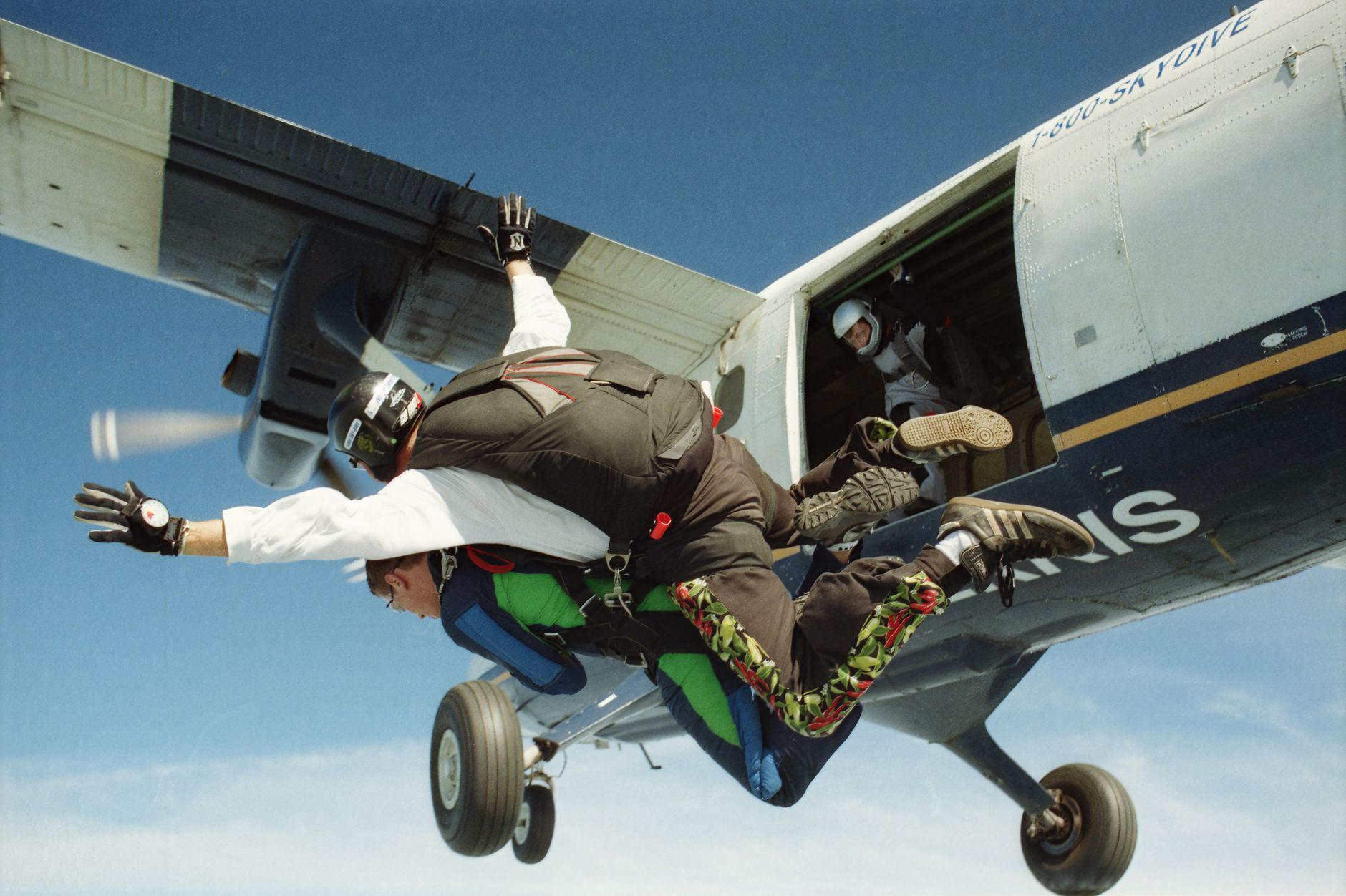
A load is a short, intense cycle. You take off with a cabin full of jumpers, climb at best rate to altitude — commonly somewhere between 10,000 and 14,000 feet — fly a precise jump run, and the aircraft empties in a few seconds. Then you descend rapidly, land, taxi in, load again.
On a good weekend day you might fly this cycle a dozen or more times. That is why the hours build: the flying is short-sector and repetitive, so the logbook fills faster than in almost any other entry-level job.
The rhythm is unlike any other flying. You are part of a ground operation with manifest, instructors and packers, and the aircraft is the bottleneck — everybody is waiting on you to turn it around.
The Centre of Gravity Problem
This is the part that makes jump flying a real skill rather than a shuttle run, and it deserves more attention than it usually gets.
As jumpers prepare to exit, they move aft toward the door. In a small aircraft with several people aboard, that shifts the centre of gravity rearward — sometimes substantially, and sometimes right at the moment you are flying slowly on jump run. An aft CG reduces longitudinal stability and raises stall risk, and the aircraft can feel notably different in those seconds.
Then the load leaves, and the CG moves again, quickly.
Practical consequences a jump pilot has to internalise:
- Weight and balance is not paperwork here. It is a live variable that changes during the flight, and loading order matters.
- Jump run airspeed matters. Flying too slowly with an aft CG and people moving is exactly the wrong combination.
- Climb-out with a full load in a piston aircraft on a hot day is a performance calculation, not an assumption.
- Communication with the load — when people move, when the door opens — is part of flying the aircraft.
Pilots who take this seriously develop a genuinely good instinct for weight, balance and slow-speed handling. It is one of the more transferable things the job teaches.
The Descent, and Why Engines Suffer
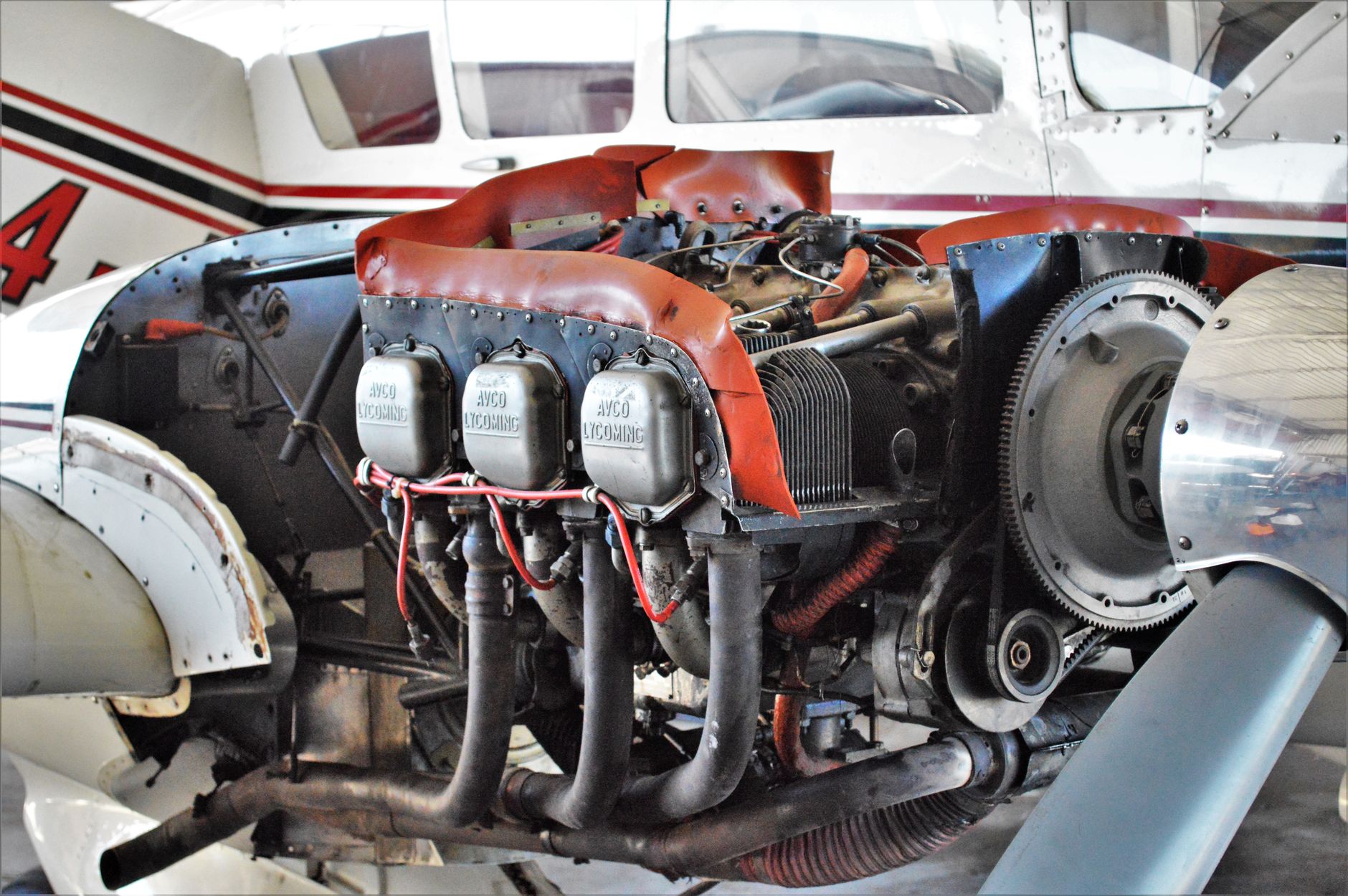
After the jumpers leave you want to get down and reload, so jump aircraft descend quickly and repeatedly. Combined with full-power climbs and a high cycle count, that is demanding on a piston engine.
Good operators manage it deliberately — staged power reductions rather than closing the throttle, attention to cylinder temperatures, and disciplined handling on the ground between loads. It is worth understanding the underlying engine management before you start, because you will be doing it many times a day: see our guide to piston engine management.
It is also a reasonable question to ask an operator. How they talk about engine handling and maintenance tells you a lot about how they run the operation generally.
Aircraft, and the Turbine Ladder
Drop zones run a wide range of equipment, and which aircraft an operation flies determines what the job is worth to your career.
| Tier | Typical aircraft | What it means for you |
|---|---|---|
| Small DZ | Single-engine pistons carrying a handful of jumpers | Accessible at lower time; fast hour accumulation |
| Larger DZ | Turbine singles and light turboprops carrying larger loads | Turbine time, usually needing more experience |
| Major DZ | Twin turboprops carrying full loads to altitude | Multi-engine turbine command; the real career prize |
That progression is the strategic reason to consider jump flying. Turbine PIC time is extremely difficult to obtain at low total time, and drop zones are one of the very few places it is genuinely available. A pilot who starts in a piston single at a small DZ and works into a turbine seat has acquired something most of their peers cannot buy.
A note on tailwheel: some jump aircraft are conventional gear and some operations value the endorsement, but many common jump aircraft are nosewheel. It is a useful qualification — particularly if you are also looking at banner towing — but do not assume it is required. Ask the specific drop zone.
The Regulatory Side Worth Knowing
Parachute operations have their own part of the regulations, and a jump pilot is expected to understand the parts that affect the aircraft.
- Parachute operations are governed by their own rules covering where and when jumps may be made, required coordination, and restrictions on operations that would create a hazard.
- ATC coordination is required for operations in various classes of airspace, and the pilot handles it. Learning to work a jump run cleanly with a busy facility is a real skill.
- Oxygen requirements apply to you. Jump altitudes frequently approach the thresholds at which supplemental oxygen becomes required for flight crew, and duration at altitude matters. Know the applicable rule and your operator’s procedure rather than assuming a short climb exempts you.
- Jump run discipline. Spotting — putting the load out in the right place accounting for winds aloft — is a genuine skill and directly affects jumper safety.
The Honest Downsides
- It is weekend and seasonal work, and often part-time to begin with. Many jump pilots hold another job.
- Pay is typically per load or hourly, and modest. Weather days pay nothing.
- The flying is repetitive — up, out, down, repeat.
- Safety culture varies widely between drop zones. Some run tight, professional operations with real procedures. Others are looser than they should be, and the aircraft is often the oldest asset in the business.
- Pressure to turn loads is a real dynamic. The whole operation waits on the aircraft, and a pilot who declines a load on weather or weight is occasionally unpopular. That pressure is precisely why your own limits need to be set in advance.
How to Get Hired
- Visit the drop zone in person. This industry hires on relationships far more than on applications. Turn up, be useful, be known.
- Apply before the season — late winter and spring for a summer operation.
- Emphasise weight and balance and short-field work in how you present yourself. Those are the relevant competencies.
- Be honest about your time in type. Small operators will often train you, but they need to know what they are starting with.
- Ask about the aircraft and the maintenance. Who maintains it, how often, and what the operator does about engine handling.
- Ask what happens when you say no. To a load, to weather, to a weight problem. The answer tells you whether it is a good operator.
Is It Worth It?
For availability and hour accumulation, jump flying is one of the strongest options open to a low-time commercial pilot — second only to instructing in sheer number of positions, and considerably faster per calendar day when the weather cooperates.
The strategic case is stronger still. Very few entry-level jobs lead to turbine command. This one does, if you pick an operation with a ladder and stay long enough to climb it.
The caveat is choosing well. The variation between drop zones is wider than in most other flying work, and the difference shows up in maintenance, procedures and how the operation responds when a pilot pushes back. Ask the questions, and treat the answers as the deciding factor.
For how this compares with the alternatives, see our overview of hour-building pathways.
Frequently Asked Questions
How many hours do you need to be a jump pilot? A commercial certificate is the baseline, and somewhere around 500 hours is a commonly cited figure for piston jump aircraft, though requirements vary considerably between drop zones. Turbine aircraft generally require more experience, often four figures.
Is jump flying a good way to build hours? Yes — it is second only to flight instruction in the number of positions available, and each load is a short flight, so hours accumulate quickly on a busy weekend. The strategic advantage is that larger drop zones offer turbine time, which is very hard to obtain at low total time.
What makes jump flying technically demanding? The centre of gravity shifts significantly during flight as jumpers move aft to exit, then shifts again when they leave. An aft CG reduces stability and raises stall risk, often while flying slowly on jump run. Weight and balance is a live variable rather than pre-flight paperwork.
Do you need a tailwheel endorsement to fly jumpers? Not usually. Some drop zones operate conventional-gear aircraft and value the endorsement, but many common jump aircraft are nosewheel. It is a useful qualification that opens other pathways, but check with the specific operator rather than assuming.
Can jump flying lead to turbine time? Yes, and this is its main strategic value. Larger drop zones operate turbine singles and twin turboprops, and pilots who start in piston aircraft and progress within an operation can build turbine pilot-in-command time that is otherwise very difficult to obtain early in a career.
What should I ask a drop zone before taking the job? Who maintains the aircraft and how often, what the operator’s approach to engine handling is, what the procedures are for weight and weather limits, and what happens when a pilot declines a load. Safety culture varies widely between drop zones, and those answers are the clearest signal available.
This article is general career information and is not flight instruction or regulatory guidance. Parachute operations are governed by specific FAA regulations covering airspace, coordination and oxygen requirements — consult the current regulations and your operator’s procedures. Hiring requirements and compensation vary between drop zones and change over time.