
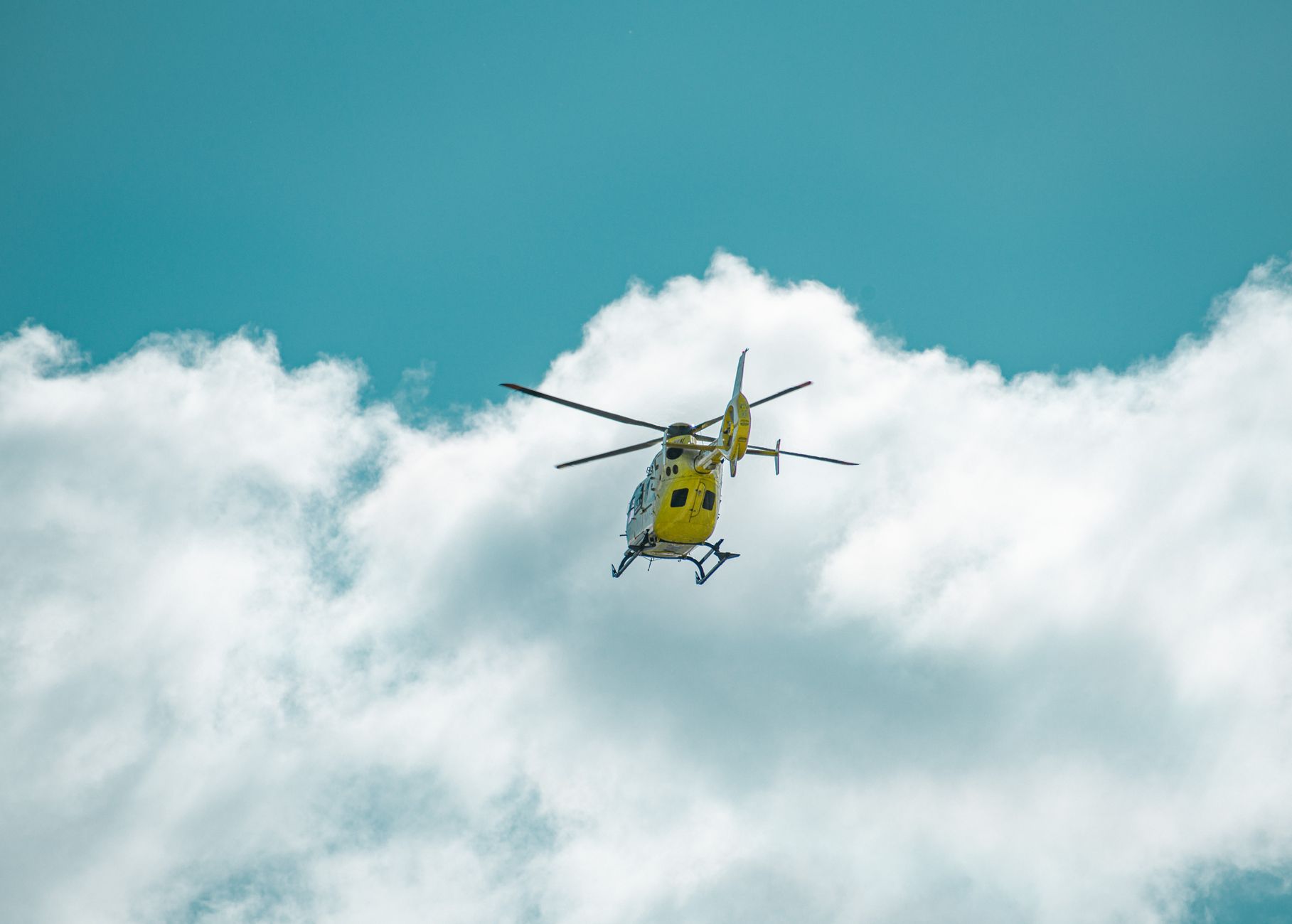
Quick answer: Air ambulance is not an entry-level job, and treating it as one is the main mistake pilots make about it. Published minimums cluster around 2,000 hours, with rotor-wing emergency operations typically wanting more still. It is better understood as a destination — stable, well-regarded, meaningful work — that you reach after a first or second flying job. It also carries the most studied decision-making pressure in civil aviation, and understanding that is worth doing long before you apply.
What the Work Is
Two broad models. Fixed-wing air ambulance moves patients between hospitals, often over long distances, in turboprops or light jets configured as flying intensive-care units. Rotor-wing emergency medical services responds to scenes and short inter-facility transfers, frequently landing at unprepared sites.
Both are Part 135 operations with a medical crew aboard. In most operations, the pilot is deliberately kept separated from the medical details of the mission — you are told where and when, not how sick the patient is. That separation is a safety design, not indifference, and the reason for it is the next section.
The Pressure Problem, and How the Industry Responded
This is the defining feature of the sector. When a patient is waiting, the pull to accept a flight in marginal weather is stronger than in any other civil operation — and the accident record over past decades reflected that, particularly in helicopter emergency services flying at night and in deteriorating conditions.
The industry’s response is instructive, and it shapes the job you would actually do:
- Information isolation. Pilots typically make the go decision without knowing patient condition, so the decision cannot be biased by it.
- Formal risk assessment before each flight, scoring weather, crew rest, night operations and other factors against defined thresholds.
- Operational control centres providing independent oversight of flight release rather than leaving it to a single pilot under pressure.
- Weather minimums specific to these operations, higher than general Part 135 in relevant cases.
- Night vision technology in many rotor-wing operations, alongside terrain awareness equipment.
- Three-to-go, one-to-say-no culture, where any crew member can decline a flight without justification.
For a pilot evaluating employers, how seriously an operator implements these is the single most important question you can investigate.
Requirements
| Typical expectation | |
|---|---|
| Certificate | Commercial minimum; ATP frequently preferred or required |
| Total time | Commonly around 2,000 hours, varying widely by operator and aircraft |
| Instrument | Required, with meaningful actual instrument experience expected |
| Night | Substantial night experience, particularly for rotor-wing operations |
| Turbine | Usually expected, often as pilot-in-command |
A small number of operators list far lower figures, which is why the published range in aggregate data is so wide. Treat those as exceptions rather than the pathway.
The Lifestyle
- Shift work, commonly multi-day rotations with equal time off. Predictable in a way most flying jobs are not.
- On-call at base, which means long periods of readiness punctuated by immediate departures.
- Night operations are a substantial share of the work.
- Pay and benefits are generally better than the entry-level pathways, reflecting the experience required.
- The work is meaningful, which matters to a lot of people, and occasionally difficult in ways worth thinking about in advance.
How to Get There
Work backwards. The experience air ambulance operators want — turbine PIC, actual instrument time, night, Part 135 operational discipline — is exactly what cargo feeder flying builds. That is the most common route, alongside rotor-wing pilots arriving from utility, tour or military backgrounds.
- Build turbine PIC time in a Part 135 environment.
- Accumulate genuine actual instrument and night experience, not just totals.
- Get your ATP when eligible.
- Research operator safety culture thoroughly — risk assessment process, operational control, whether declining flights is genuinely supported.
For the pathways that get you the prerequisites, see our overview of hour-building pathways.
Frequently Asked Questions
How many hours do you need to fly air ambulance? Published minimums commonly sit around 2,000 hours, with rotor-wing emergency operations often requiring more. Instrument and night experience and turbine time are typically expected alongside the total. It is generally a second or third flying job rather than an entry point.
Why are air ambulance pilots not told the patient’s condition? It is a deliberate safety measure. Knowing that a patient is critically ill creates pressure to accept flights in marginal conditions, so operators isolate the pilot from medical details and provide only the operational information needed for the go decision.
What is the biggest risk in air medical flying? Weather-related decision-making under pressure, historically most acute in night helicopter operations. The industry response includes formal risk assessment, operational control centres, specific weather minimums, night vision technology, and a culture in which any crew member can decline a flight.
What is the usual route into air ambulance flying? Building turbine pilot-in-command time with genuine instrument and night experience in a Part 135 environment — cargo feeder flying is the most common fixed-wing route. Rotor-wing pilots frequently arrive from utility, tour or military backgrounds.
This article is general career information and is not regulatory or safety guidance. Air medical operations are governed by specific FAA requirements that have evolved over time — consult current regulations and individual operators for requirements and procedures.


2 thoughts on “Air Ambulance Flying: A Destination, Not an Entry Point”