

Quick answer: Flight instructing is the default hour-building route, but it is not the only one and not always the fastest. Looking across a national dataset of employers who hire low-time pilots, the pathway with the lowest published minimums is aerial survey — a median of around 325 hours where a figure is stated. Banner towing and pipeline patrol sit near 400–500 hours, cargo feeder work around 1,000, and air ambulance considerably higher. The catch is availability: the low-minimum categories have very few operators nationally.
The honest summary is that the trade is always between barrier to entry and number of seats. Instructing has thousands of openings and a licence requirement. Aerial survey will take you at 300 hours but there are only a couple of dozen operators in the whole country.
What the Numbers Actually Show
The table below aggregates published minimums across a national map of low-time-friendly employers maintained by LowTimePilot.com. Two caveats matter: many operators publish no minimum at all, and where they do the sample is small. Treat these as indicative, not authoritative.
| Pathway | Operators listed | Published TT minimum | Sample |
|---|---|---|---|
| Aerial survey | 24 | median ~325 (range 250–600) | 14 published |
| Pipeline patrol | 9 | median ~500 (range 400–1,500) | 4 published |
| Banner towing | 11 | ~500 | 1 published |
| Cargo feeder (FedEx/UPS) | 17 | median ~1,000 (range 500–1,500) | 7 published |
| ISR / defence contractors | 7 | median ~1,500 (range 500–3,000) | 4 published |
| Air ambulance | 55 | median ~2,000 (range 350–5,000) | 9 published |
| Skydiving operations | 219 | rarely published | — |
| Part 141 flight schools | 692 | rarely published | — |
| Air tour operators | 9 | rarely published | — |
| Simulator instruction | 51 | not flight time | — |
The distribution is the interesting part. Roughly 85% of the employers in the dataset are flight schools or skydiving operations — which tells you where the jobs actually are, regardless of which pathway has the lowest published number.
The Pathways, Honestly Assessed
Flight instruction
Still the backbone, and for good reason: the largest number of positions by a wide margin, you build pilot-in-command time rather than SIC time, and teaching genuinely deepens your own knowledge. The certificate is an upfront investment, and the work is demanding in ways that surprise new CFIs — you are responsible for someone else’s flying, all day, in the heat.
It also produces the most useful hours for the airlines. Do not dismiss it just because everyone does it.
Skydiving jump pilot
The second-largest category by operator count. Typically high-performance and often tailwheel aircraft, with an enormous number of takeoffs and landings in a short period — excellent stick-and-rudder development.
The work is seasonal and weekend-heavy, the flying is repetitive, and precise weight-and-balance and aircraft handling matter more than most low-time pilots expect. Many operators want a tailwheel endorsement and some conventional-gear time.
Aerial survey
The lowest published barrier in the dataset, and worth knowing about precisely because so few pilots consider it. Survey flying means long, straight, precisely flown lines at set altitudes, often for hours, frequently far from home.
The trade-off is lifestyle rather than qualification: expect extended time on the road, seasonal intensity, and flying that is more disciplined than glamorous. With only a couple of dozen operators nationally, timing matters more than qualifications — get on their radar before the season.
Banner towing
Concentrated on the coasts and in Florida, heavily seasonal, and genuinely demanding flying — low, slow, hot, in tailwheel aircraft, with a pickup manoeuvre that requires real precision. Pilots who have done it tend to rate it as the best stick-and-rudder education available at that experience level.
Very few operators, and hiring windows tied to summer.
Pipeline and powerline patrol
Low-level flying along a fixed route, day after day, requiring sustained attention and disciplined altitude and airspeed control. Builds solid cross-country time in a variety of weather.
Published minimums vary widely, and the low-level environment means operators are appropriately selective. Also worth being clear-eyed: low-level operations carry inherent risk, and safety culture varies between operators. Ask about it directly.
Cargo feeder
Flying feeder routes for the integrators is some of the best experience available to a low-time professional pilot: single-pilot IFR, on a schedule, in real weather, often at night. It is the closest thing to airline operational discipline before the airlines.
Around 1,000 hours is a common entry point. The hours are unsociable and the aircraft are worked hard, but the experience is highly regarded by later employers.
Air tours
Concentrated in scenic areas — the Southwest, Hawaii, Alaska. Commercial privileges and customer-facing skill both matter, and the flying is often in demanding terrain with real density altitude considerations.
Air ambulance
The largest category outside instruction and skydiving, but with the highest published minimums — a median around 2,000 hours. This is generally a second or third job rather than a first, though a few operators list far lower figures.
Simulator instruction
Does not build flight time, so it is not hour-building in the literal sense. It does pay, keeps you in the industry, and sharpens the procedural knowledge you will be tested on later. A reasonable supplement alongside flying work.
Choosing Between Them
A practical way to think about it:
- Want the most openings? Instruct. It is not close.
- Want the fastest entry at low time? Aerial survey and banner towing have the lowest published bars — but very few seats.
- Want the most respected experience? Cargo feeder, once you reach around 1,000 hours.
- Want the best handling skills? Banner towing and jump flying.
- Want a normal schedule? None of these, honestly. Seasonality and unsociable hours are the norm.
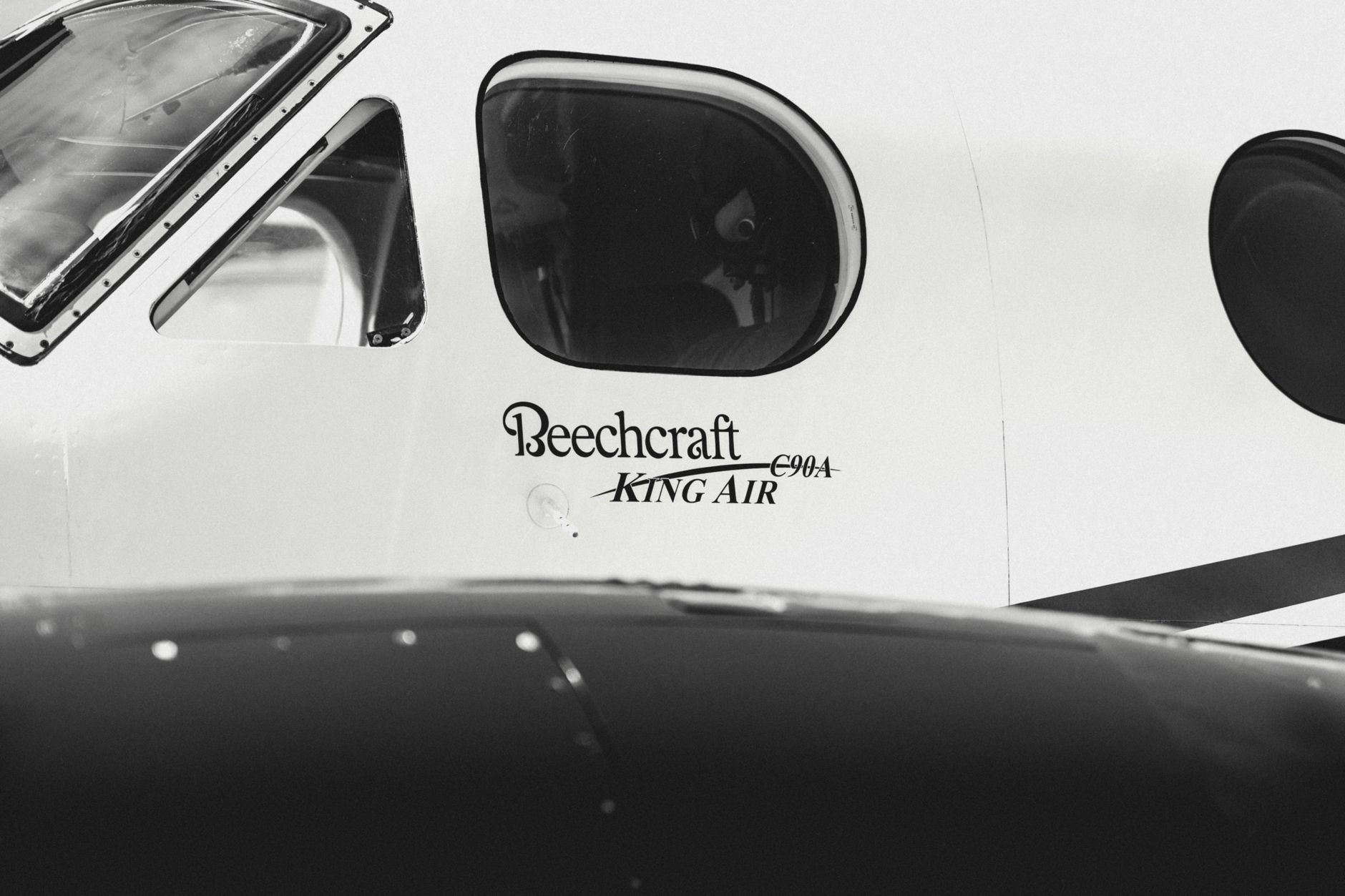
One more consideration that gets overlooked: multi-engine time. Most of these pathways build single-engine hours, and multi time is what many next-step employers actually want. A Part 135 SIC seat — like the King Air 90 SIC opening at Centennial we covered recently — is one of the few routes to multi-engine turbine time before airline minimums.
How to Actually Get Hired
- Apply before you meet the minimum, within reason. Operators plan ahead, and being known at 250 hours can mean a call at 300.
- Target seasons. Banner, survey, jump and tour work are seasonal. Apply months before, not during.
- Get the endorsements that unlock categories. Tailwheel opens jump and banner work; a complex or high-performance endorsement widens your options considerably.
- Be geographically flexible. Many of these categories cluster in particular states, and willingness to relocate is often the deciding factor.
- Call, don’t just email. Small operators run lean. A brief, professional phone call frequently gets further than an application form.
- Ask about safety culture, especially for low-level work. How they answer tells you a great deal.
The Bottom Line
There is no single best route. The lowest published minimums sit in categories with a handful of operators nationally, while the categories with thousands of jobs mostly want a flight instructor certificate.
The pilots who move fastest tend to do two things: build the endorsements that open extra categories, and stay flexible about where they will live for a year or two. Everything else is timing.
Frequently Asked Questions
What is the easiest flying job to get as a low-time pilot? By published minimums, aerial survey has the lowest bar — a median of roughly 325 hours where operators state a figure. However, there are only around two dozen such operators nationally, so availability is the real constraint. Flight instruction has vastly more openings but requires a CFI certificate.
How many hours do you need for banner towing or pipeline patrol? Published figures cluster around 400 to 500 hours for both, though pipeline patrol listings range considerably higher. Both are small categories with few operators, and both tend to want tailwheel or low-level experience alongside raw total time.
How many hours do you need to fly cargo feeder routes? Around 1,000 hours is a common entry point for feeder operations flying for the integrators, with published figures ranging from roughly 500 to 1,500. The experience — single-pilot IFR, on schedule, in real weather — is highly regarded by later employers.
Is flight instructing still the best way to build hours? For most pilots, yes, on availability alone. It has far more openings than every other category combined, builds pilot-in-command rather than second-in-command time, and deepens your own knowledge. It is not the fastest route for everyone, but it is the most reliable.
What hour-building job builds multi-engine time? Very few of the common ones do. Most hour-building work is single-engine, which is why Part 135 second-in-command positions matter — they are one of the few routes to multi-engine turbine time before reaching airline minimums.
When should I start applying for hour-building jobs? Before you meet the published minimum, within reason, and well ahead of seasonal work. Banner towing, survey, jump and tour flying all hire ahead of their seasons, so applying during the busy period is usually too late.
Figures above are aggregated from published employer minimums in a national low-time pilot employer map maintained by LowTimePilot.com, and reflect only those operators who state a minimum. Sample sizes are small in several categories. Requirements vary by operator and change — always confirm directly with the employer.
Sources
- LowTimePilot.com — national low-time pilot employer map (aggregate figures)
- FAA — Become a Pilot
- 14 CFR Part 61 — Certification of Pilots and Flight Instructors


3 thoughts on “Hour-Building Jobs for Low-Time Pilots: Every Pathway and What It Actually Takes”