Short answer: Carbon monoxide (CO) in the cockpit usually comes from a cracked exhaust system or muffler, and it most often enters the cabin through the heater system. Because CO is colorless and odorless, pilots often notice nothing until headache, drowsiness or confusion sets in, and by then judgment may already be impaired. The best defense is a good exhaust inspection program plus an active CO detector with an audible alarm. That can be a panel-mounted unit, a portable detector or a headset with CO alerts built in.
Key Takeaways
- Most cockpit CO comes from exhaust leaks, especially cracked mufflers that feed cabin heat.
- Early symptoms such as headache, fatigue and dizziness are easy to mistake for ordinary flying fatigue.
- The NTSB has recommended CO detectors in general aviation aircraft after fatal accidents linked to CO.
- Passive “spot” detectors change color slowly and give no alarm. Electronic detectors with audible alerts are far more effective.
- If you suspect CO: heat off, fresh air on, oxygen if available, and land as soon as practical.
Why Is Carbon Monoxide So Dangerous for Pilots?
CO binds to hemoglobin far more readily than oxygen does, so it gradually reduces how much oxygen your blood can carry. The effect works much like hypoxia, and altitude makes it worse because less oxygen is already available. A pilot exposed to CO may lose fine motor control, reasoning and situational awareness long before recognizing the problem. CO also clears from the body slowly, so its effects can last well after the exposure ends.
Where Does CO in the Cockpit Come From?
| Source | How CO gets in | When it’s most likely |
|---|---|---|
| Cracked muffler or heat exchanger | Exhaust leaks into the shroud that supplies cabin heat | Winter, with cabin heat on |
| Exhaust stack or gasket leaks | Exhaust escapes into the engine compartment and seeps through the firewall | Any time, often worse at high power |
| Firewall gaps and seals | Engine-compartment gases pass through worn grommets or openings | Older aircraft with deferred maintenance |
| Taxiing behind other aircraft | Exhaust from aircraft ahead is drawn in through vents | Ground ops, crowded run-up areas |
| Open doors or windows in certain configurations | Airflow can pull exhaust back into the cabin | Specific aircraft types and flight conditions |
A 2009 FAA technical report (DOT/FAA/AR-09/49) reviewed CO-related accidents and incidents in general aviation and found that exhaust system failures, especially mufflers, were the leading source.
What Are the Symptoms of Carbon Monoxide Poisoning?
| Stage | Common symptoms |
|---|---|
| Mild | Headache, fatigue, mild nausea, feeling “off” |
| Moderate | Dizziness, confusion, blurred vision, shortness of breath, poor judgment |
| Severe | Loss of coordination, chest pain, unconsciousness, death |
The danger is that the early symptoms feel like ordinary tiredness. Impaired judgment also makes it less likely that a pilot will connect those symptoms to CO.
Real Stories: When CO Struck in Flight
In a webinar titled Miracle over Minnesota, pilot Dan Bass described losing consciousness from CO in his Mooney. The cause was a cracked muffler. His story is a sobering example of how fast an ordinary flight can become an emergency.
In another case, featured in Lightspeed Aviation’s November 2026 newsletter, commercial pilot and ground instructor Carl Hancock said his headset’s CO alert detected a dangerous leak in a club aircraft and “literally saved my life.”
What Has the NTSB Said About CO Detectors?
After investigating a fatal 2019 accident in which the pilot was incapacitated by CO, the NTSB released Aviation Investigation Report AIR-22-01 on December 20, 2021. It recommended that the FAA require CO detectors in certain general aviation aircraft and update guidance on exhaust system inspections. The FAA has not mandated detectors for most piston aircraft, so installing one remains up to each owner and pilot.
Older FAA guidance, Advisory Circular 20-32B on carbon monoxide contamination, was cancelled in March 2020. The FAA continues to address CO through Special Airworthiness Information Bulletins, safety briefings and the FAASTeam.
What Types of CO Detectors Can Pilots Use?
| Type | Alerts | Pros | Cons |
|---|---|---|---|
| Passive “spot” card | Visual only (color change) | Cheap, no power needed | Slow, easy to miss, expires, no alarm |
| Portable electronic detector | Audible and visual | Inexpensive, moves between aircraft | Needs batteries; easy to forget |
| Panel-mounted detector | Audible, visual, sometimes integrated with avionics | Always on | Installation cost and paperwork |
| Headset with CO alerts | Audible alert in your ears | Goes wherever you fly, in any aircraft; nothing extra to remember | Higher upfront cost |
How Does a Headset-Based CO Detector Work?

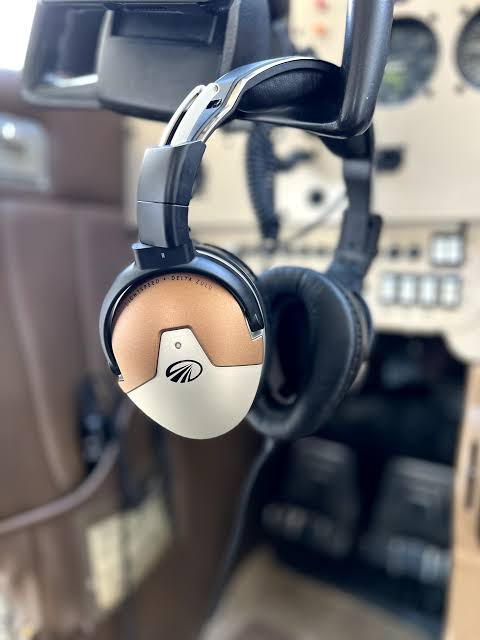
The Lightspeed Delta Zulu has a CO sensor in its control module. It monitors cabin CO continuously and plays an audible alert through the ear cups when levels rise, so the warning reaches you even with a busy panel or a loud engine. The Lightspeed App also logs CO readings by flight. Because it goes with the pilot, it is especially useful for renters, club members and flight instructors who fly many different aircraft.
Pilots flying Rotax-powered aircraft can also install Lightspeed’s free Rotax ANR + Audio firmware profile.
What Should You Do If You Suspect CO in Flight?
- Turn off cabin heat right away.
- Open fresh-air vents and, if your aircraft permits, a window.
- Use supplemental oxygen if it is on board.
- Tell ATC and declare an emergency if you have symptoms.
- Land as soon as practical and get medical evaluation. Blood CO levels can be measured.
- Ground the aircraft until a mechanic inspects the exhaust system.
How Can Aircraft Owners Prevent CO Leaks?
- Inspect the exhaust system carefully at every annual and 100-hour inspection. Remove shrouds when required.
- Follow applicable Airworthiness Directives and manufacturer service bulletins on mufflers and heat exchangers.
- Consider a pressure test of the muffler, especially on older aircraft.
- Check firewall seals, grommets and door seals.
- Replace a muffler based on condition, not just age.
The Bottom Line
CO is preventable, but only if you can detect it. Pair a strong exhaust inspection program with an active detector that will get your attention. For pilots who fly many different aircraft, a headset with CO alerts brings that protection into every cockpit.
Frequently Asked Questions
Are CO detectors required in general aviation aircraft?
For most piston aircraft, no. The NTSB has recommended them, but the FAA has not issued a broad requirement.
What is the most common source of CO in small airplanes?
Exhaust leaks, especially cracked mufflers that supply cabin heat.
Are spot-type CO detectors good enough?
They’re better than nothing, but they react slowly, have no alarm and expire. An electronic detector with an audible alert is much more reliable.
Can a headset detect carbon monoxide?
Yes. The Lightspeed Delta Zulu includes a CO sensor with audible alerts.
What should I do if my CO detector alarms?
Turn off cabin heat, open fresh air, use oxygen if available, tell ATC and land as soon as practical.
Sources: NTSB AIR-22-01; FAA DOT/FAA/AR-09/49; FAA; Lightspeed Aviation November 2026 newsletter; Lightspeed Aviation
Disclosure: Skyfarer is a Lightspeed Aviation affiliate partner. If you buy through our links, we may earn a commission at no extra cost to you.