Short answer: Good training aids let students see a concept before they fly it, which saves expensive airplane time. The most effective are simple: a model airplane to show attitudes and maneuvers, a whiteboard for patterns and holds, cockpit posters for chair flying, and simulators for procedures. The Aviation Instructor’s Handbook recommends that aids support the lesson objective, not distract from it.
Useful Training Aids
| Aid | Best for |
|---|---|
| Model airplane on a stick | Traffic patterns, steep turns, slips, crosswind technique |
| Whiteboard or tablet sketches | Pattern entries, holding entries, airspace |
| Cockpit poster or photo | Chair flying flows and checklists at home |
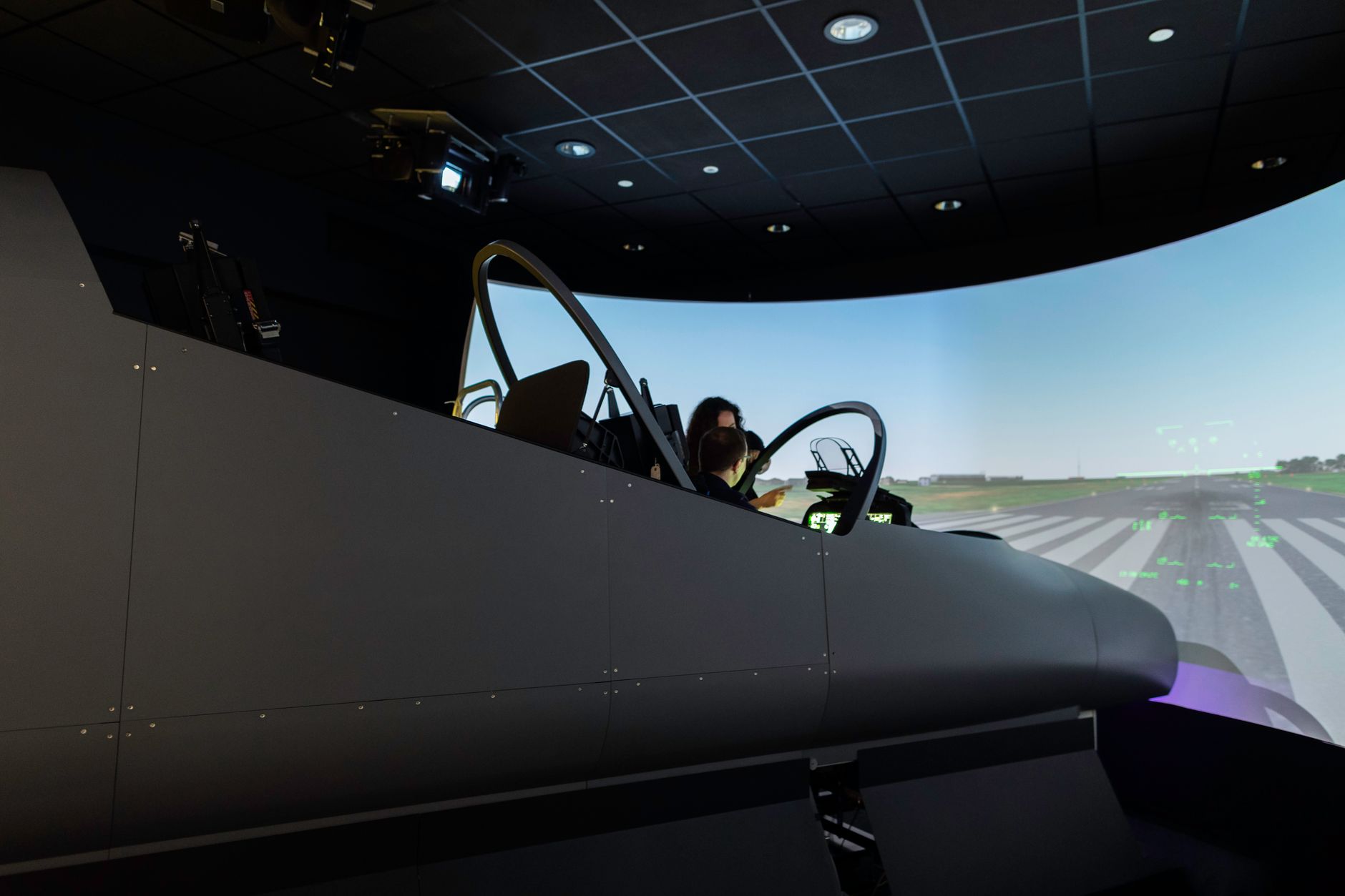
| Home or approved simulator | Procedures, radio calls, instrument scan |
| Real charts and plates | Navigation planning and approach briefings |
Using Them Well
- Use the aid in the preflight briefing, and again in the debrief to show what happened.
- Keep it simple. One clear diagram beats a cluttered slide deck.
- Have students use the aid to explain the maneuver back to you.
The Bottom Line
A $10 model airplane can save hours of airplane time. Use simple aids to build understanding on the ground, so flight time goes toward skill.
Frequently Asked Questions
Do students need a home simulator?
No, but it can help with procedures and radio work.
What’s chair flying?
Mentally rehearsing a flight or maneuver, step by step, while sitting at home.
Where can instructors learn more?
The FAA’s Aviation Instructor’s Handbook covers instructional aids.
Sources: FAA — Aviation Instructor’s Handbook