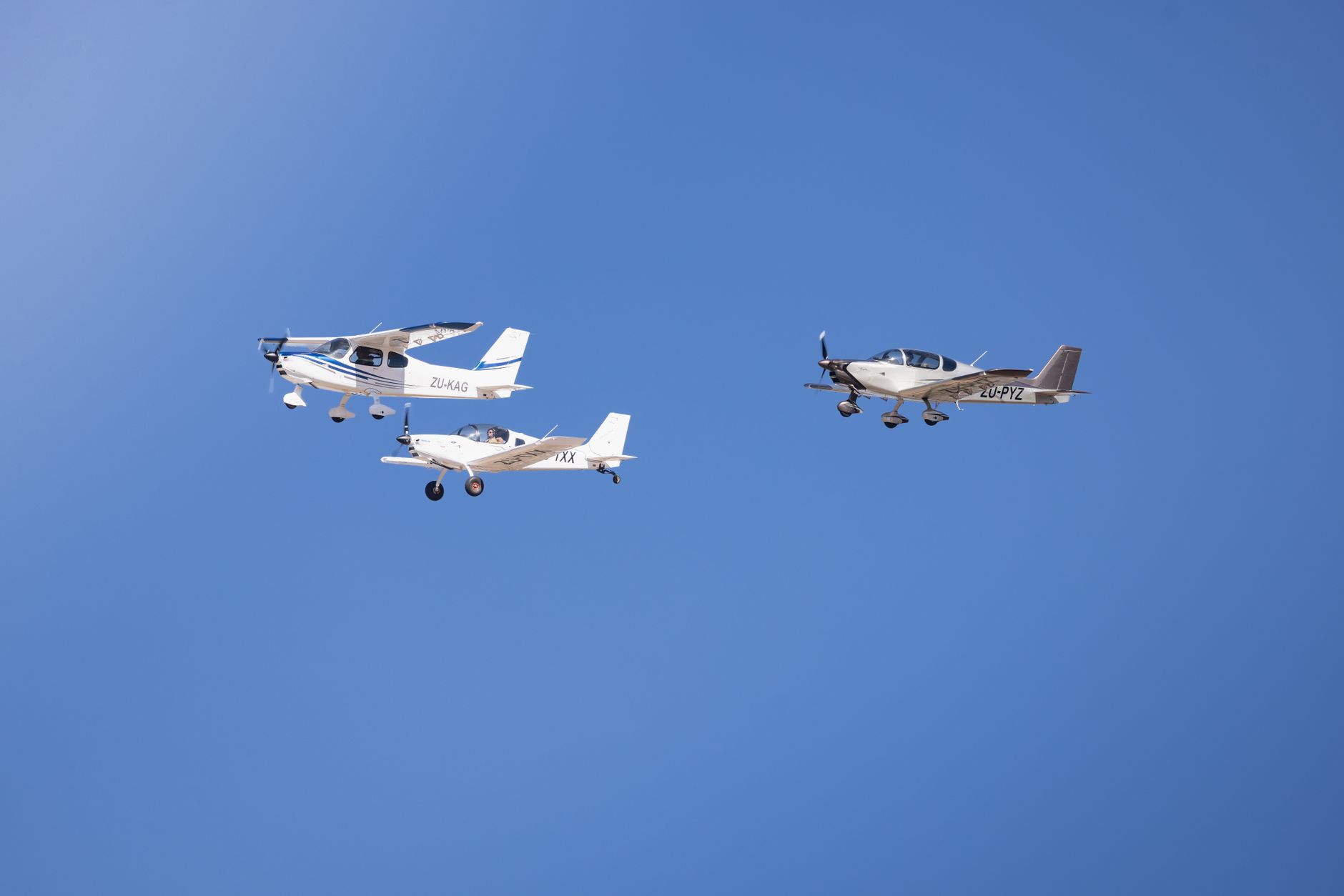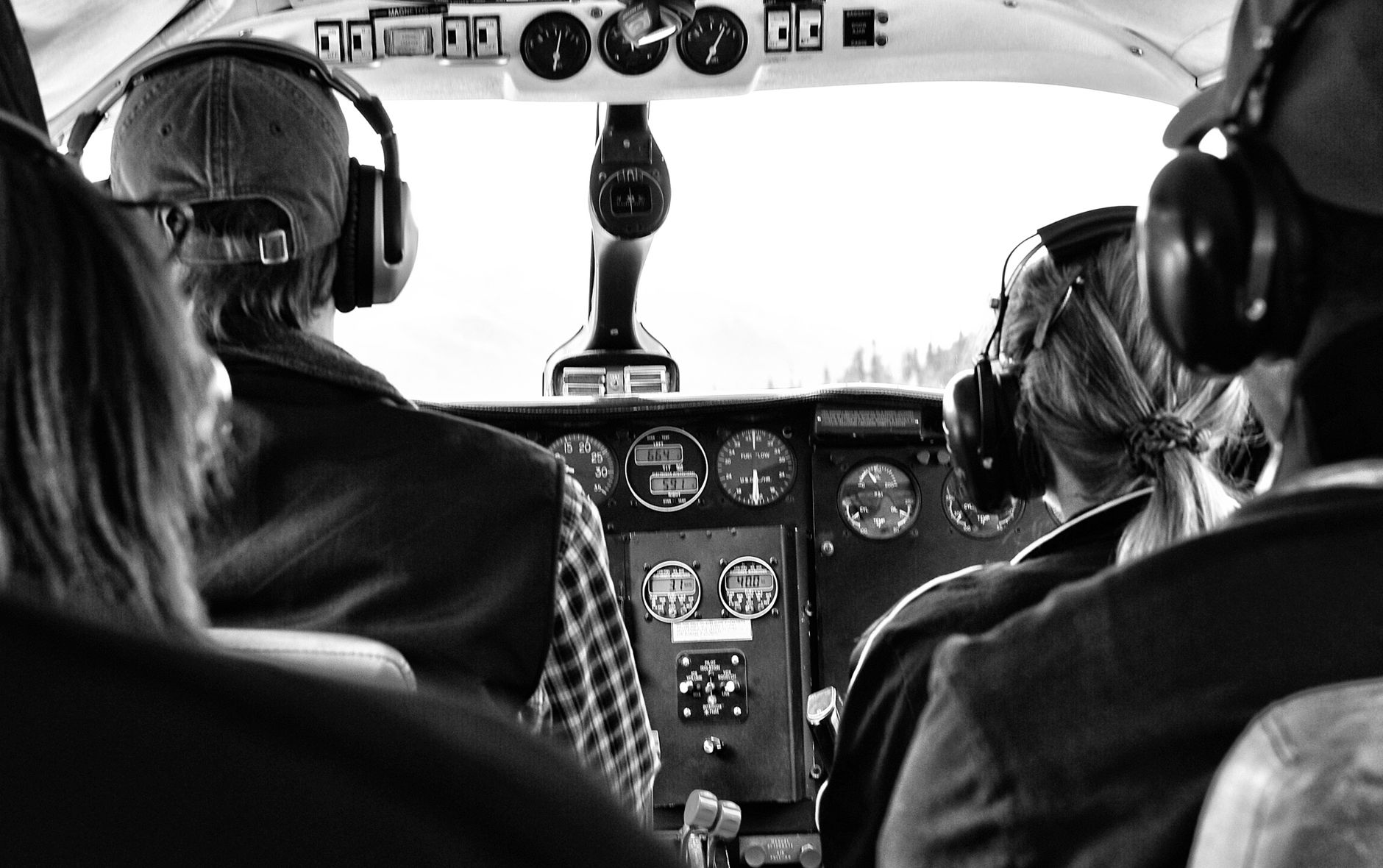
Short answer: When something goes wrong in flight, follow the priorities: aviate (keep control of the airplane), navigate (know where you are and where you’re going), then communicate (tell ATC or others what you need). Use the checklist, don’t rush, and declare an emergency early if you need help. ATC can only help if they know.
A Simple Framework
| Priority | What it looks like |
|---|---|
| Aviate | Wings level, best glide or a safe climb, ball centered |
| Navigate | Turn toward the nearest suitable airport or landing area; avoid terrain |
| Communicate | ATC, 121.5, or CTAF; squawk 7700 if appropriate |
| Then troubleshoot | Run the checklist and assess options |
Common Traps
- Fixating on the problem while the airplane drifts off altitude or heading.
- Delaying a decision in hopes the problem goes away.
- Not declaring an emergency out of embarrassment. There’s no penalty for asking for help.
After You Land
Debrief honestly: what happened, what you did well, and what you’d change. Consider filing an ASRS report, and have the airplane inspected before it flies again.
The Bottom Line
Fly the airplane first. Most in-flight problems become accidents only when the pilot stops flying. Aviate, navigate, communicate, in that order.
Frequently Asked Questions
Will I get in trouble for declaring an emergency?
Generally no. ATC may ask for details, and the FAA may request a report in some cases.
What frequency should I use if I’m not talking to anyone?
121.5 MHz, the emergency frequency, is monitored by ATC and many aircraft.
When should I use the checklist?
Once the airplane is under control, unless immediate-action items must be done from memory.
Sources: FAA — Airplane Flying Handbook; FAA — Aeronautical Information Manual, Chapter 6